If you wait until harvest to start your rice sourcing conversation, you may already be behind.
As Vietnam enters the 2026-2027 Winter-Spring rice season, international importers, distributors and retailers have an opportunity to review their procurement strategies before the next major harvest.
From selecting the right rice varieties to defining quality specifications, certification requirements and shipment schedules, early preparation can help buyers make better- informed commercial decisions.
But what should global buyers know about Vietnam’s 2027 rice crop, and how can they prepare?
Vietnam Winter-Spring Rice Crop 2027: What We Know So Far

The Winter-Spring rice crop is one of Vietnam’s most commercially important agricultural seasons, particularly in the Mekong Delta, a major production region for Vietnamese rice.
According to Vietnam’s National Statistics Office, the Mekong delta produced 9.3 million tonnes of paddy during the 2026 Winter-Spring season, representing 45.4% of national output for that crop. These figures highlight the region’s importance to Vietnam’s rice supply.
For the 2026-2027 season, Vietnam’s Department of Crop Production and Planet Protection has recommended three main planting windows.
| Planting phase | Planting window | Agricultural priorities |
| Early crop | October 10-30,2026 | Coastal areas vulnerable to early salinity intrusion |
| Main crop | November 1-30,2026 | Areas with reliable water resource |
| Late crop | December 1-31,2026 | Upper and central Mekong Delta areas with controlled water supply. |
The authorities aim to complete seasonal planting before January 10,27
When Will Vietnam’s 2027 Rice Harvest Begin?

The main Winter-Spring harvest in the Mekong Delta is expected to take place between February and April 2027. Depending on local planting schedules, rice varieties and growing conditions.
However, the 2027 season also requires attention to environmental conditions.
Agricultural authorities are preparing for potential drought, freshwater shortages, and saltwater intrusion associated with El Niño. Adjustments to planting schedules and water management are among the measures recommended to protect agricultural production.
For international buyers, monitoring these developments can provide important context when evaluating sourcing opportunities and delivery timelines.
A crop calendar is a useful starting point, but it should not replace direct discissions with suppliers.
Three Things Rice Buyers Should Prepare Before the 2027 Harvest

Select Rice Varieties Based on Market Demand
Different rice varieties support different commercial objectives.
Before purchasing new-season rice, buyers should evaluate consumer preferences, product positioning, and intended distribution channels.
- ST25 Rice
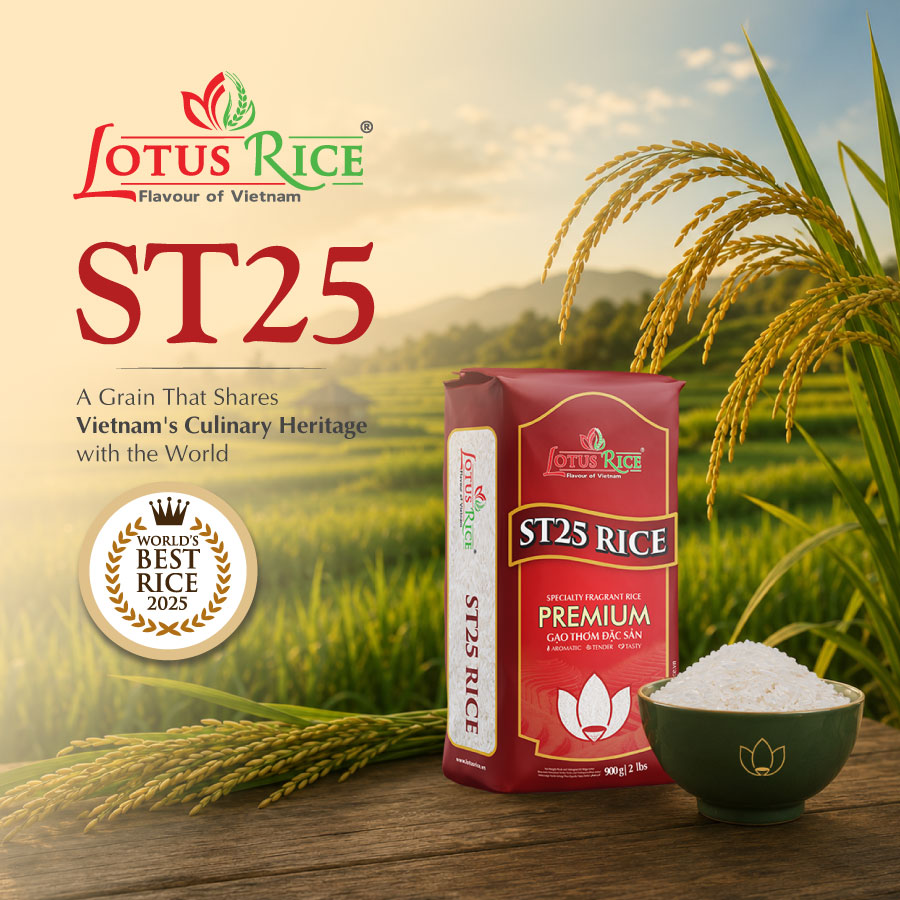
A Premium aromatic variety with a delicate fragrance, tender texture and subtle natural sweetness. Suitable for differentiated premium retail portfolios.
- Jasmine Rice
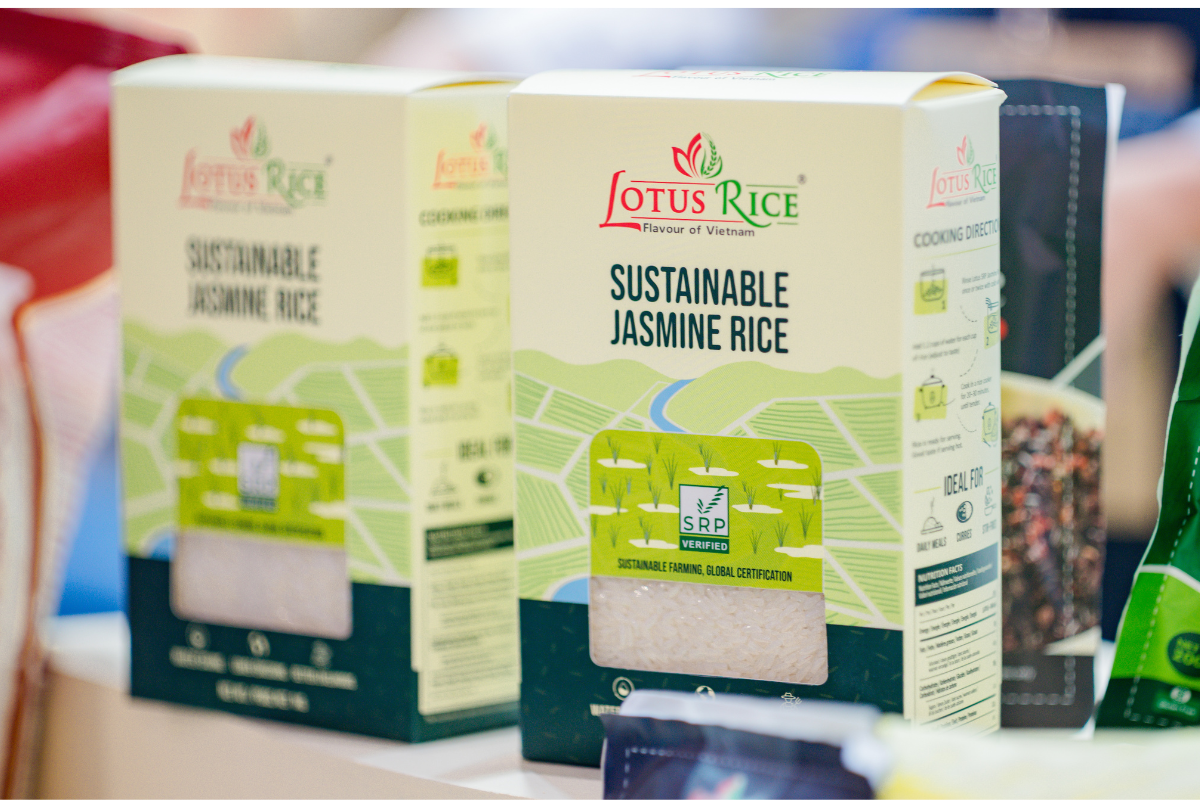
Naturally fragrant, with a soft, cooked texture, suitable for everyday consumption and mainstream retail distribution.
- Japonica and Sushi Rice
Varieties offering a more cohesive cooked texture, suitable for Asian cuisine and specialized foodservice applications.
Selecting the right rice variety early helps byers develop a portfolio that reflects their market needs rather than simply reacting to seasonal availability.
Define Product Specifications and Certification Requirements
Rice sourcing involves more than choosing a variety and negotiating a price.
Importers should establish their technical and regulatory requirements before placing orders, including:
- Grain length, broken grain percentage and moisture content
- Appearance, chalkiness, and cooking characteristics.
- Pesticide residue limits and food safety requirements.
- Destination-specific certifications and documentation
- Retail, foodservice or private –label packaging specifications.
At Lotus Rice, quality management extends from agricultural practices to processing and packaging. The company also provides guidance to conventional rice farmers regarding EU and US pesticide and chemical residue requirements.
Its processing operations incorporate controlled storage, grain grading, optical sorting, and automated packaging, supporting the preparation of rice products for different international market requirements.
Align Procurement Timelines with Business Needs
Harvest timing and shipment timing are not necessarily the same.
Between harvesting and international delivery, additional time may be required for processing, quality verification, packaging preparation, and logistic coordination.
Recommended 2027 procurement roadmap

November – December 2026
Define product portfolio, specifications, and estimated purchase volume.
January 2027
Discuss samples, certification requirements, packaging, and commercial conditions.
February- April 2027
Review new-crop availability, confirm quality requirements, and coordinate orders.
Post-harvest
Coordinate production, final quality checks, and shipment schedules.
Suggested planning framework for buyers, not a guaranteed Lotus Rice delivery schedule.
Early discussions give buyers and suppliers more time to align expectations before operational commitments are made.
Preparing for the 2027 Rice Season with Lotus Rice

A Lotus Rice, we recognize that every market has different expectations when it comes to rice.
A retailer developing a premium ST25 range may have different requirements from a distributor sourcing Jasmine Rice for everyday consumption or a foodservice supplier looking for consistent cooking performance.
Through our integrated value chain, diverse rice portfolio and customized packaging solutions, Lotus Rice supports international buyers in developing products suited to their commercial needs.
Our approach connects four essential elements:
- Agricultural knowledge from the Mekong Delta
- Quality management throughout the value chain
- Product diversity for different market segments
- Flexible packaging solutions for international distribution.
Preparing for the next harvest is not simply about securing rice. It is about identifying the right product, understanding market requirements, and building a sourcing strategy that supports long-term business growth.
Start Your 2027 Rice Sourcing Conversation Today

Vietnam’s next major rice harvest represents a new opportunity for international importers, distributors and retailers.
Whether you are expanding your premium rice portfolio, reviewing quality requirements or planning your next procurement cycle, now is the time to start the conversation.
Connect with Lotus Rice to discuss your 2027 rice sourcing requirements and discover the right rice solutions for your market.
————————————
Website: https://www.lotusrice.vn/
Email: connect@lotusgroup.vn
WhatsApp: (+84 77) 6996 768
Phone: (+84 28) 3622 2236
Head office: No. 52, Street 10, Him Lam Residence, Tan Hung Ward, HCM