Explore why Vietnam’s Summer- Autumn rice crop is a strategic sourcing season for global rice importers, from fresh harvest timing to Mekong Delta supply and export- ready quality.
For Global rice importers, choosing the right sourcing season is just as important as choosing the right supplier. Each rice crop season brings different advantages in terms of freshness, availability, quality control, price movement, and shipment planning.
In Vietnam, the Summer- Autumn rice crop, also known locally as He-Thu, plays an important role in supporting rice supply after the Winter-Spring season. For importers, this crop creates a strategic sourcing window for the second half of the year, when many markets begin preparing for year-end retail demand, foodservice consumption, and long-term shipment schedules.
As Vietnam continues to strengthen its position in high-quality, fragrant rice exports, the Summer-Autumn crop gives importers another opportunity to secure fresh Vietnamese rice with better timing, clearer supply planning, and stronger sourcing flexibility.
What is the Summer- Autumn Rice Crop?
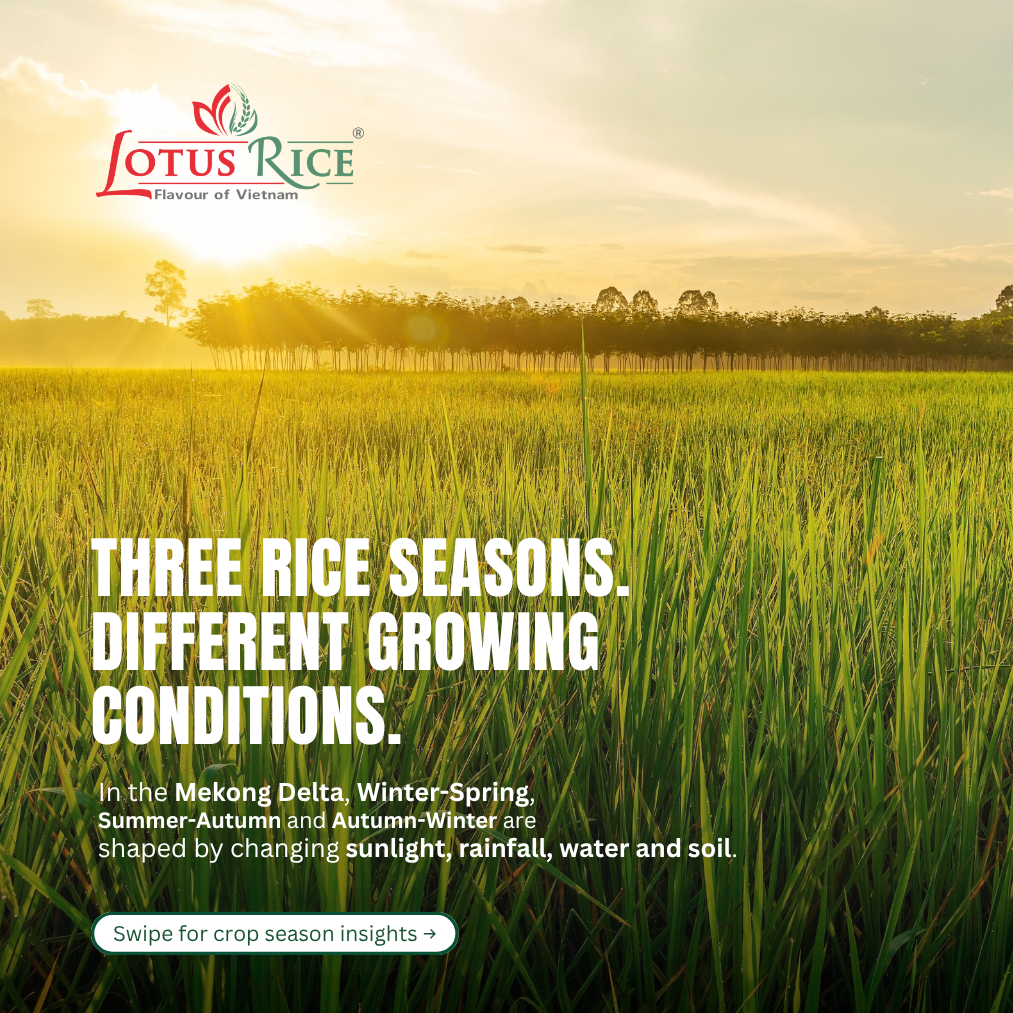
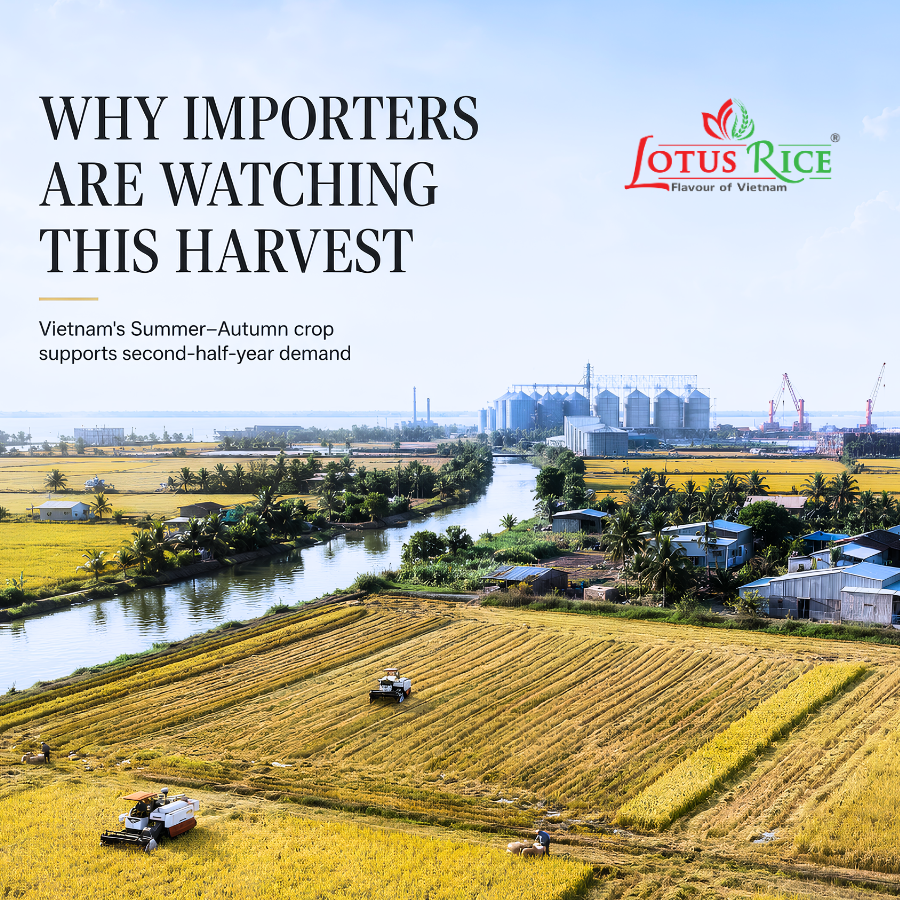
The Summer- Autumn Crop is one of Vietnam’s major rice seasons, especially in the Mekong Delta- the country’s most important rice production region for export. According to FAO’s rice crop calendar for Vietnam, this crop is generally planted from April to June and harvested around August to September. This timing makes it an important fresh crop source for importers preparing rice supply for the second half of the year.
In practice, the exact sowing and harvesting schedule may vary by province, irrigation conditions, weather patterns, and local crop planning. For example, Tay Ninh’s 2026 Summer- Autumn crop plan arranged planting in several phases from mid-April to late June, Depending on water resources and production areas.
The Summer- Autumn crop is especially relevant because it follows the Winter- Spring season and helps extend Vietnam’s rice availability into second half of the year. In 2026, Vietnam’s Ministry of Agriculture and Environment forecast that the Summer- Autumn crop would reach nearly 11 million tonnes of paddy rice, showing its important role in the country’s overall rice production.
For importers, this season is not only about the timing of the fresh harvest. It also offers a practical sourcing window to review availability, specifications, quality control, and shipment planning before year-end demand increases.
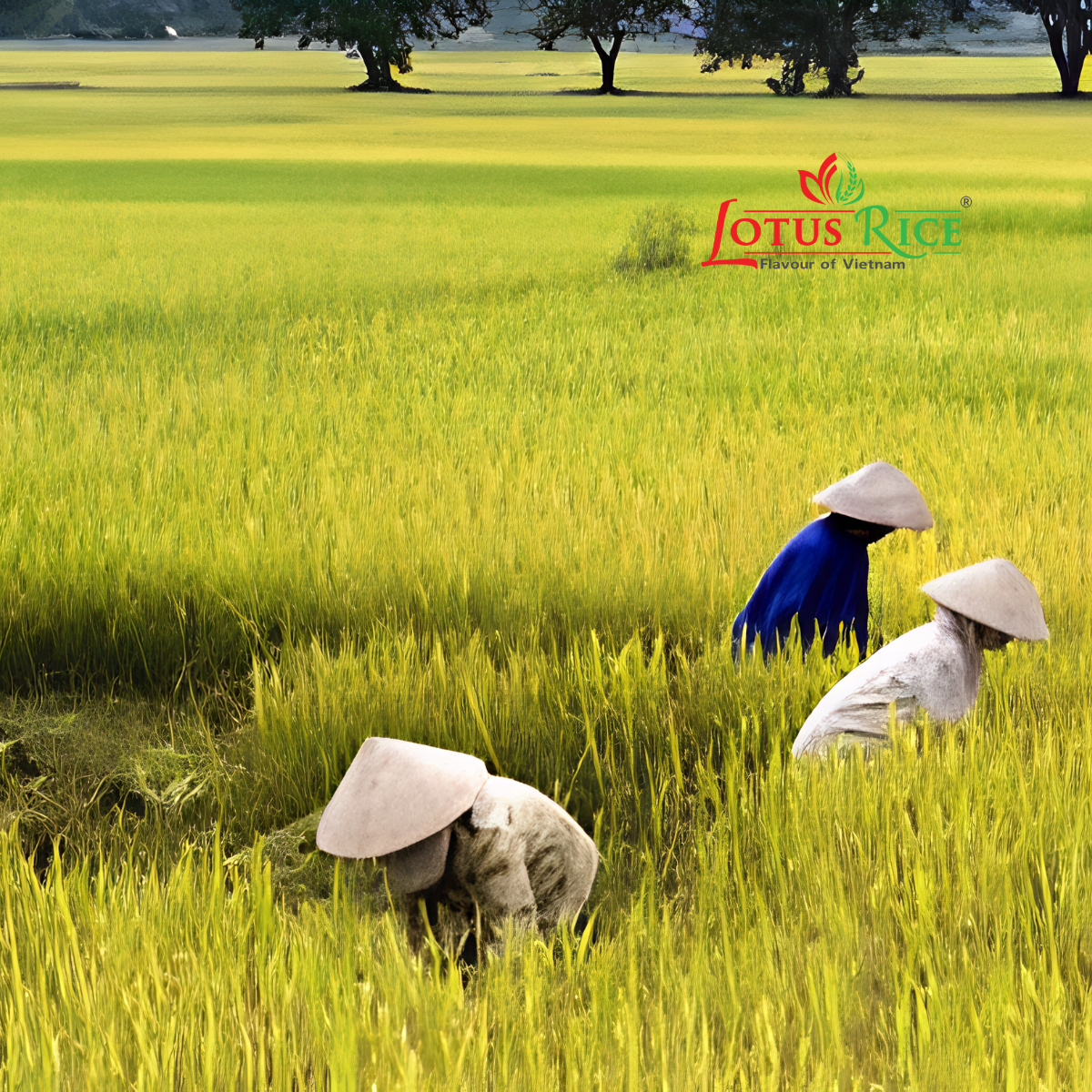
Why Importers Should Consider Summer – Autumn Rice from Vietnam
Fresh Crop Availability for second – Half- Year Demand
Summer- Autumn harvest arrives at a strategic time for importers preparing stock for year-end consumption, retail campaigns, foodservice demand, and private label planning.
Fresh crop availability allows importers to reduce dependence on carry-over stock and plan supplies with better visibility. For markets with stable monthly rice consumption, this season can help secure supply continuity and reduce sourcing pressure during peak demand periods.
Strong supply from the Mekong Delta
The Mekong Delta remains the heart of Vietnam’s commercial rice supply. According to Vietnam News, rice – growing areas in the Mekong Delta and parts of Tay Ninh Province are estimated at about 3.84 million hectares, with output of around 24.34 million tonnes of paddy in 2026.
For importers, this region matters because it combines farming scale, export infrastructure, irrigation systems, rice processing capability, and long-standing experience in commercial rice production.
Depending on local crop planning and production conditions, the Mekong Delta can support different rice segments, including fragrant rice, high- quality white rice, glutinous rice, and specialty Vietnamese varieties. This gives buyers more flexibility to align product selection with market demand, packing requirements, and shipment planning.
A Useful Sourcing After Winter-Spring
The Winter- Spring crop is often considered an important season for rice quality and volume, but importers cannot rely on only one crop cycle for year-round supply.
The Summer- Autumn crop creates another sourcing window after Winter-Spring, helping buyers spread purchasing decisions across the year. This is useful for importers who need balance inventory planning, price movement, shipment timing, and destination market requirements.
Vietnam’s rice exports in the second half of 2026 are projected at around 3.7 million tonnes, with shipment peaks expected in July, August, and September, in line with major harvest periods.
This makes the Summer- Autumn crop relevant not only as a framing season, but also as a commercial timing advantage.
Better Market Visibility During a Changing Price Environment
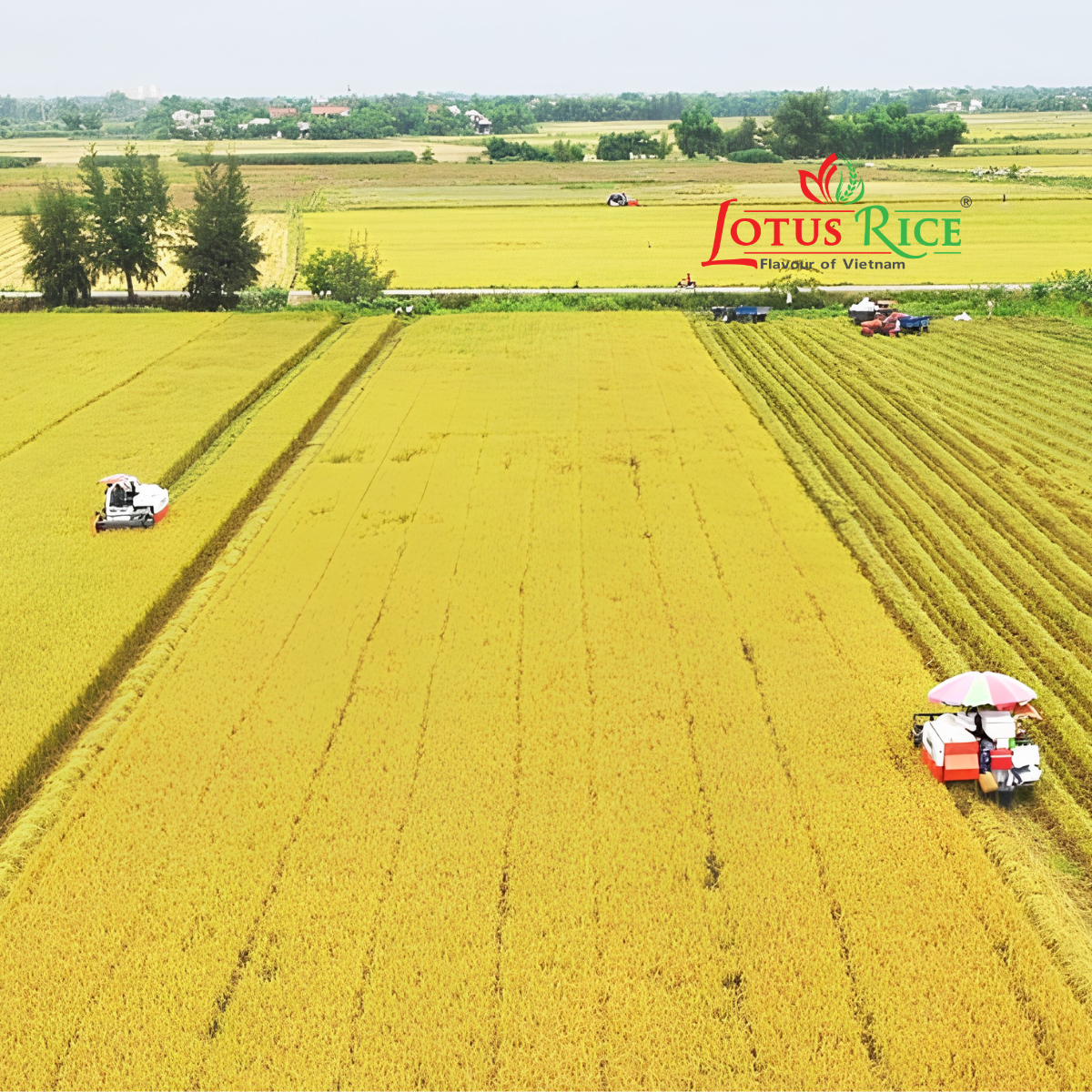
Rice sourcing decisions are strongly influenced by market timing. FAO reported that as of January 2026, domestic wholesale rice prices in Vietnam were 10-30% lower year-on-year, mainly due to ample supply from previous harvests and reduced export demand.
For importers, this makes crop timing especially important. A reliable supplier can help buyers evaluate availability, specifications, quality status, and booking opportunities with clearer market visibility.
The value of the Summer- Autumn crop is not only about price. It is about having the right information at the right time, so importers can make sourcing decisions with less uncertainty.
What Makes the Summer- Autumn Crop Different?
Compared with the Winter-Spring Crop, the Summer-Autumn season can face more weather-related challenges. Rainfall, heat, water availability, pests, diseases, and storage conditions can affect the final rice quality of the supply chain if not properly managed.
This does not reduce the value of the crop. Instead, it makes post-harvest control more important.
For importers, the key question should not only be:
“Is Summer- Autumn rice available?”
The better question is: “How is the rice selected, dried, stored, processes, sorted, packed, and controlled before shipment?”
That is where supplier capability becomes the real quality filter.
How Importers Can Secure quality from the Summer- Autumn Crop
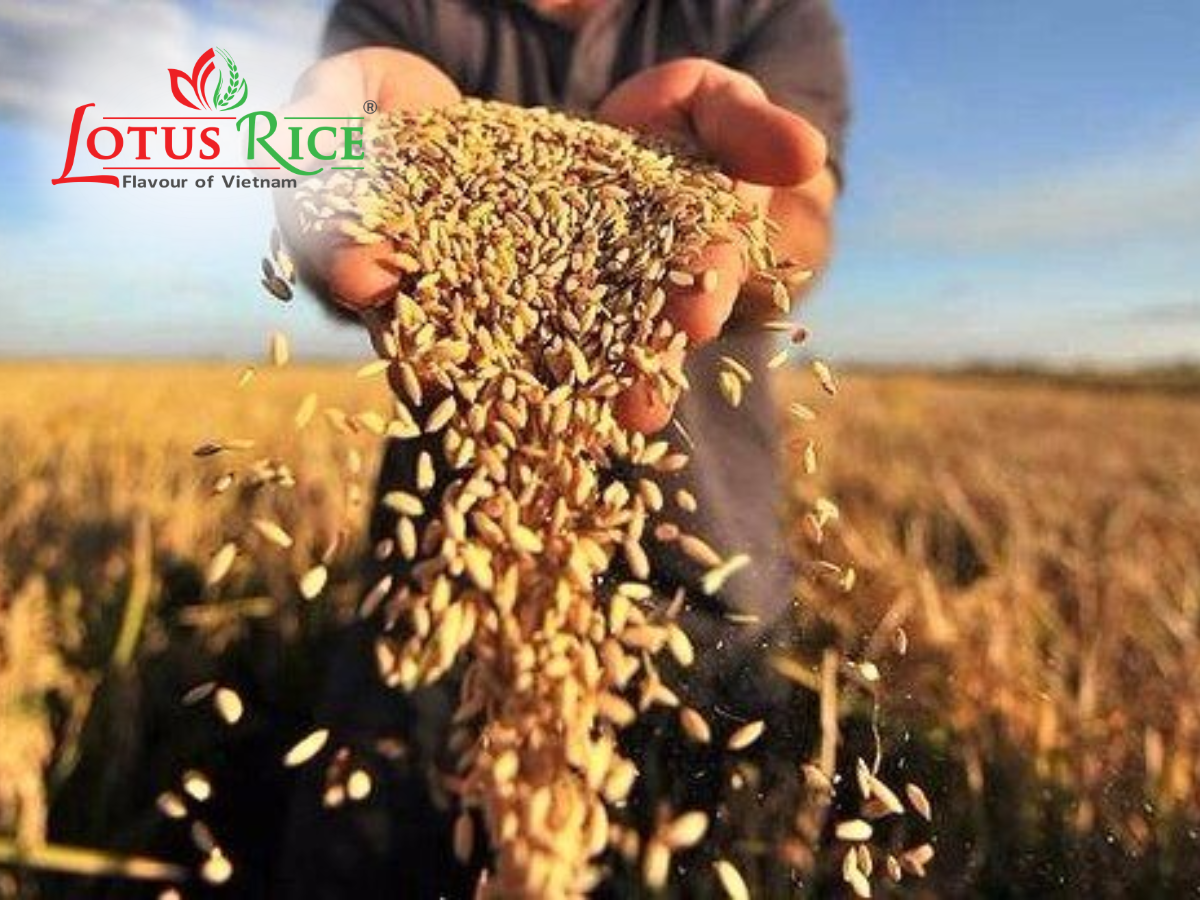
To make the most of Vietnam’s Summer autumn rice crop, importers should evaluate both product quality and supplier readiness before booking.
Key factors include:
Grain consistency
Uniform grain size, shape, and appearance are important for retail presentation and consumer trust. For banded rice packs, grain consistency directly affects shelf appeal.
Moisture control
Moisture level is critical for storage and long-distance shipment. Proper drying and controlled storage help reduce quality risks during export handling.
Broken ratio
Different markets require different broken percentages. Importers should align specifications clearly before booking to avoid mismatch between expected quality and final shipment.
Aroma and texture
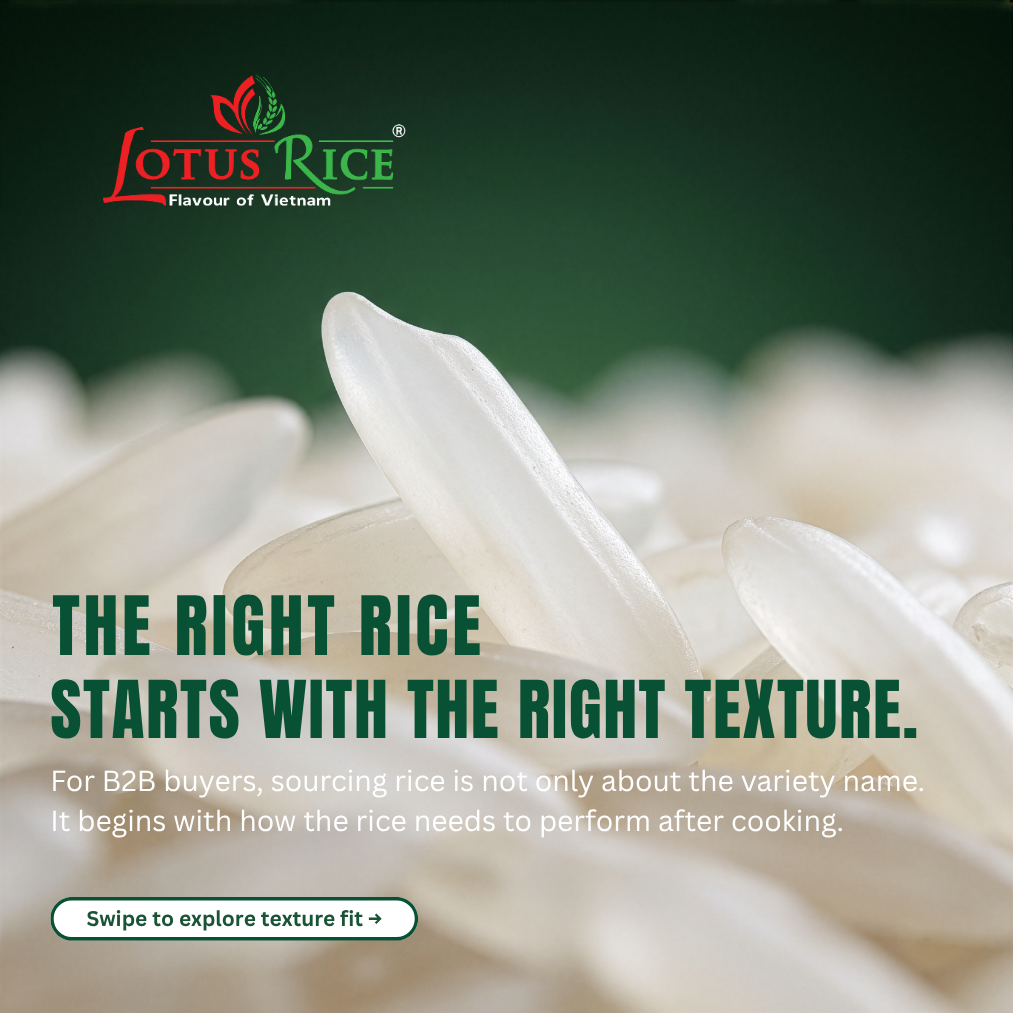
For fragrant rice and specialty Vietnamese rice varieties, aroma and eating quality are key selling points. Buyers should evaluate both technical specifications and cooking performance.
Processing standard
Modern milling, polishing, length grading, color sorting, automatic packing, and metal detection help improve final product quality and reduce impurities.
Traceability and documentation
Importers increasingly need supplier should also provide availability updates, clear specifications, quality inspection, packing flexibility, export documentation, shipment planning, and consistent communication.
For importers, the right supplier does more than sell rice. The right supplier helps reduce sourcing risk and build stronger long-term supply planning.
How Lotus Rice Supports Summer- Autumn Rice Sourcing
At Lotus Rice, quality is managed beyond the harvest.
We support importers with controlled row material selection, proper storage, modern processing, color sorting, packing, metal detection, and export loading control. This helps maintain rice quality from field to shipment, especially during the Summer- Autumn season when post- harvest management plays an important role.
More than supplying rice, Lotus Rice helps buyers align product specifications, packing requirements, documentation, and shipment planning – making Summer – Autumn Sourcing smoother, safer, and more reliable.
A Strategic Season for Global Rice Importers

Vietnam’s Summer-Autumn rice crop is more than a seasonal harvest. It is a strategic sourcing opportunity for importers who need fresh crop availability, reliable second-half-year supply, and access to export-ready Vietnamese rice.
With the right sourcing strategy, this crop can help importers improve planning, diversify supply, and prepare for changing market demand in the second half of the year.
As Vietnam continues to strengthen its position in high-quality and fragrant rice exports, the Summer-Autumn season gives buyers another important window to evaluate product availability, specifications, and shipment timing.
For importers looking for trusted Vietnamese rice, Lotus Rice is ready to support your sourcing strategy with consistent quality, reliable export service, and long-term partnership.
Looking for Reliable Vietnamese Rice from the Summer-Autumn Crop?
Connect with Lotus Rice to explore product availability, specifications, and shipment planning for your market.
————————————
Website: https://www.lotusrice.vn/
Email: connect@lotusgroup.vn
WhatsApp: (+84 77) 6996 768
Phone: (+84 28) 3622 2236
Head office: No. 52, Street 10, Him Lam Residence, Tan Hung Ward, HCM