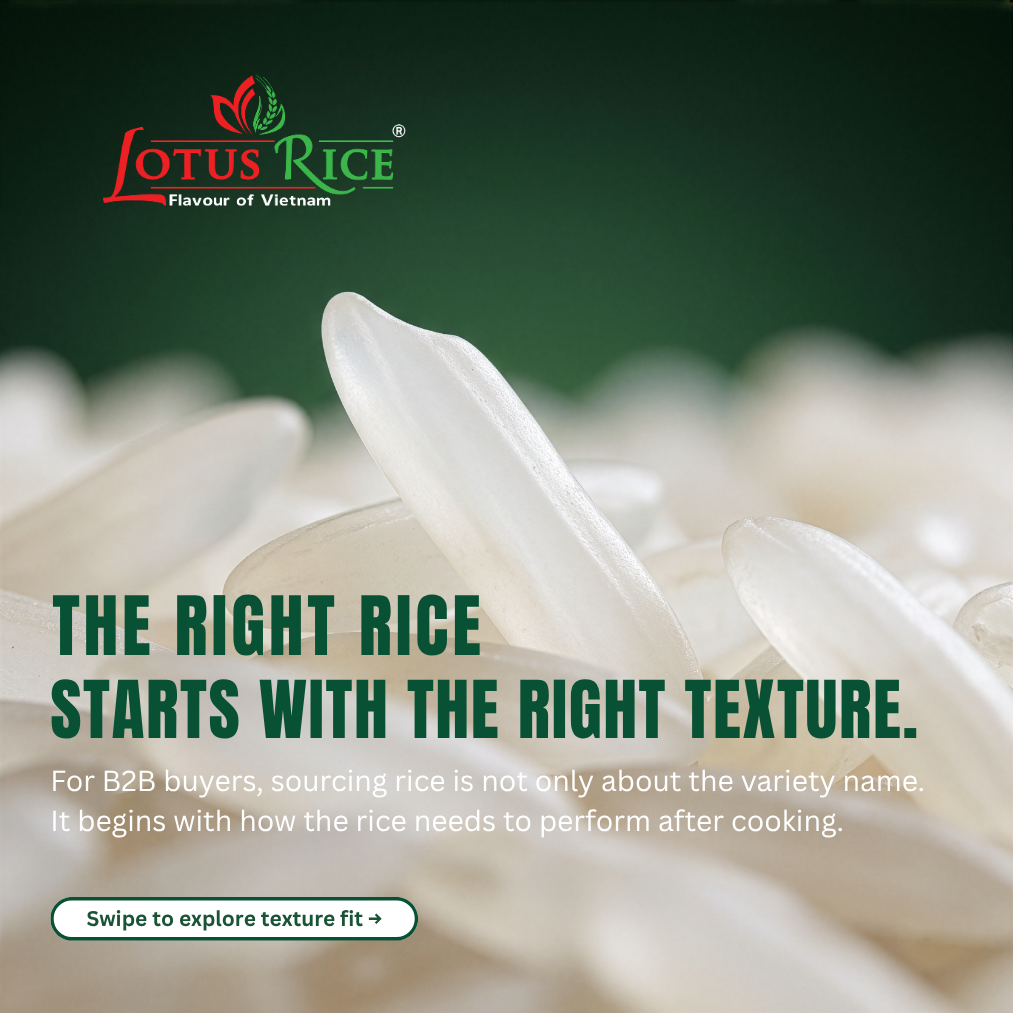
Discover the meaning of Vietnamese rice grains in wet civilization, agricultural culture, and the identity of the Mekong Delta – where alluvial soil, hard work, and centuries – old heritage come together.
Behind every Vietnamese grain lies more than a harvest, a rice field, or the result of agricultural labor. It carries a heritage nurtured over thousands of years of wet rice civilization, it reflects the resilience of farmers, the wisdom of cultivation, the rhythm of daily life, traditional customs, and a deep love for the land passed down from generation to generation.
For centuries, rice has been an inseparable part of Vietnamese life. It nourishes people, shapes family meals, appears in traditional rituals, and is deeply rooted in Vietnamese cuisine, folk songs, proverbs, and ancestor worship. Therefore, a grain of rice is not merely an agricultural product. It is symbol of Vietnamese culture, people, and national identity.
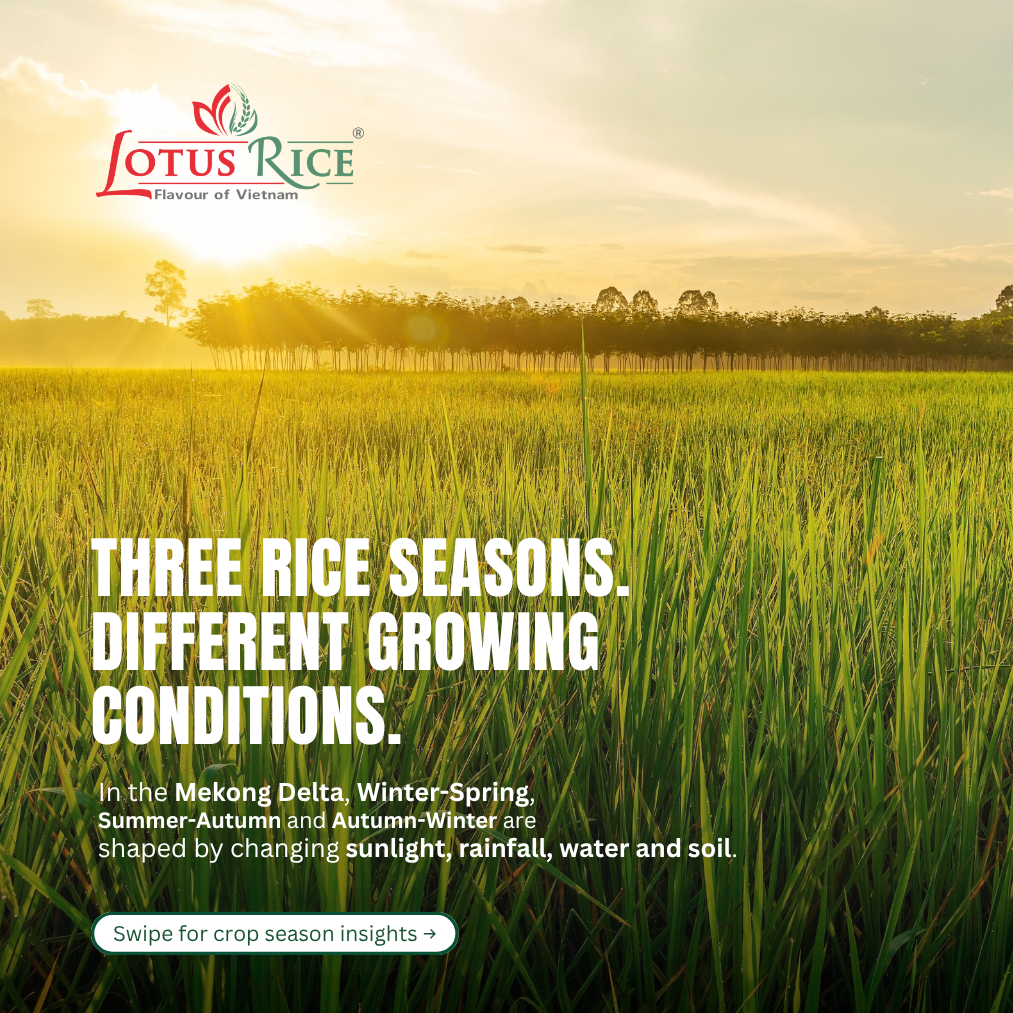
This meaning becomes even more profound in the Mekong Delta. Enriches by fertile alluvial soil and nourished by a dense network of rivers and canals, the Mekong Delta is known as one of the most important cradles of Vietnamese rice cultivation. Each grain of rice from this region is a crystallization of land, water, sunlight, wind, and the tireless hands of Mekong Delta farmers.
Vietnamese Rice and the Imprint of Wet Rice Civilization
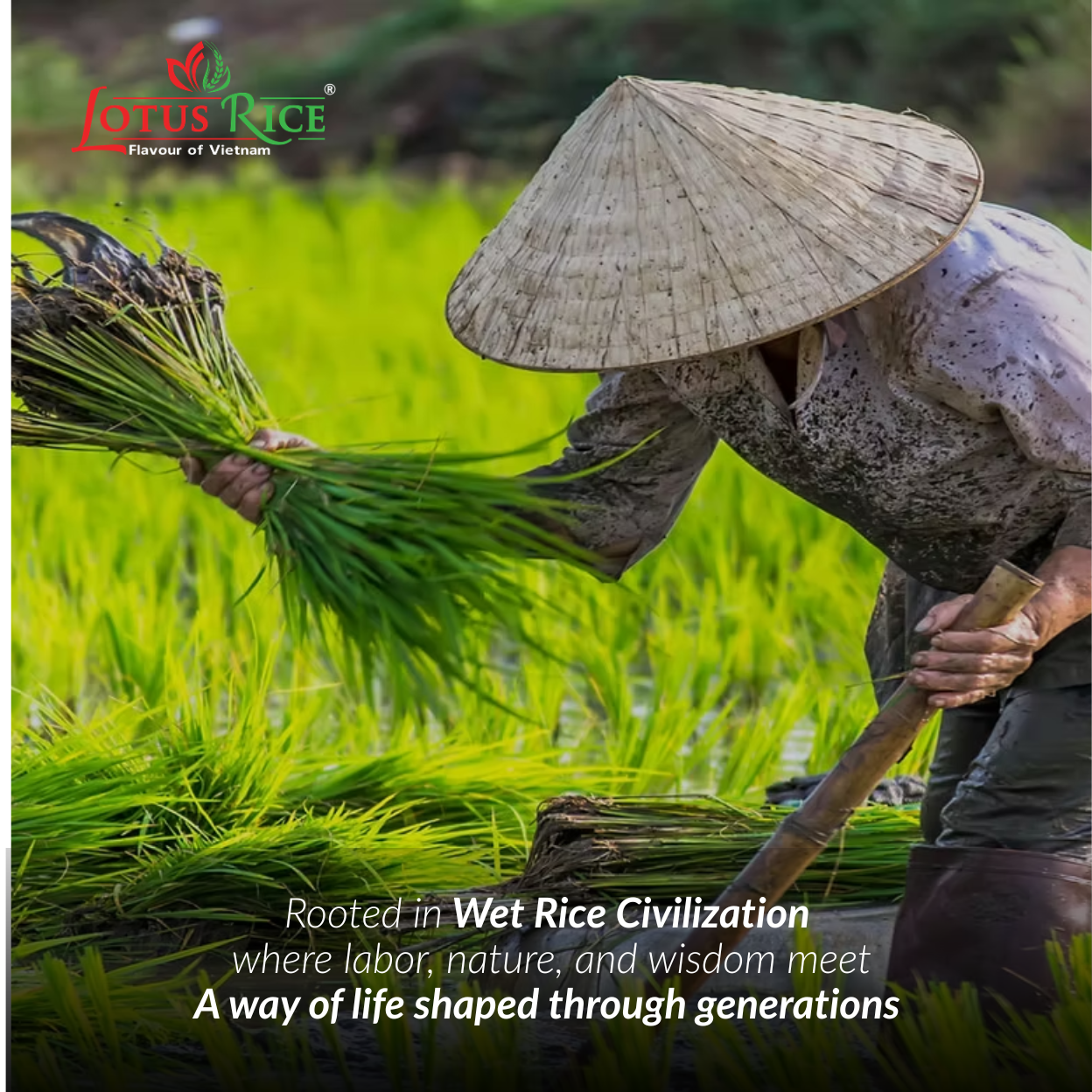
Wet Rice Civilization – The Foundation of Vietnamese Life
Vietnam is a country closely associated with a long- standing wet rice civilization. Since the early days when ancestors began reclaiming land, channeling water, sowing seedlings, and cultivating rice, the rice plant has become central to agricultural life and community culture.
Rice cultivation requires not only hard work but also a deep understanding of nature. Farmers must observe the weather, water levels, soil conditions, crop seasons, and the changes of the natural environment. This close connection with nature has shaped a harmonious way of life, a strong community spirit, and the diligence and perseverance of the Vietnamese people.
Rice Grain – A symbol of Abundance and Gratitude
In Vietnamese culture, rice is closely connected with life, abundance, and gratitude. A bowl of streamed white rice on the family dining table is not daily food, but also the result of countless hours of labor, sweat, and hope.
Rice is present in many important moments of Vietnamese life: Ancestor worship ceremonies, harvest festivals, Lunar New Year Celebrations, and traditional dishes such as bánh chưng, bánh tét, noodles, phở and hủ tiếu. Through these traditions, rice becomes a cultural material that connects the past with the present, and people with their homeland and roots.
The Mekong Delta – The Cradle of Vietnamese Rice
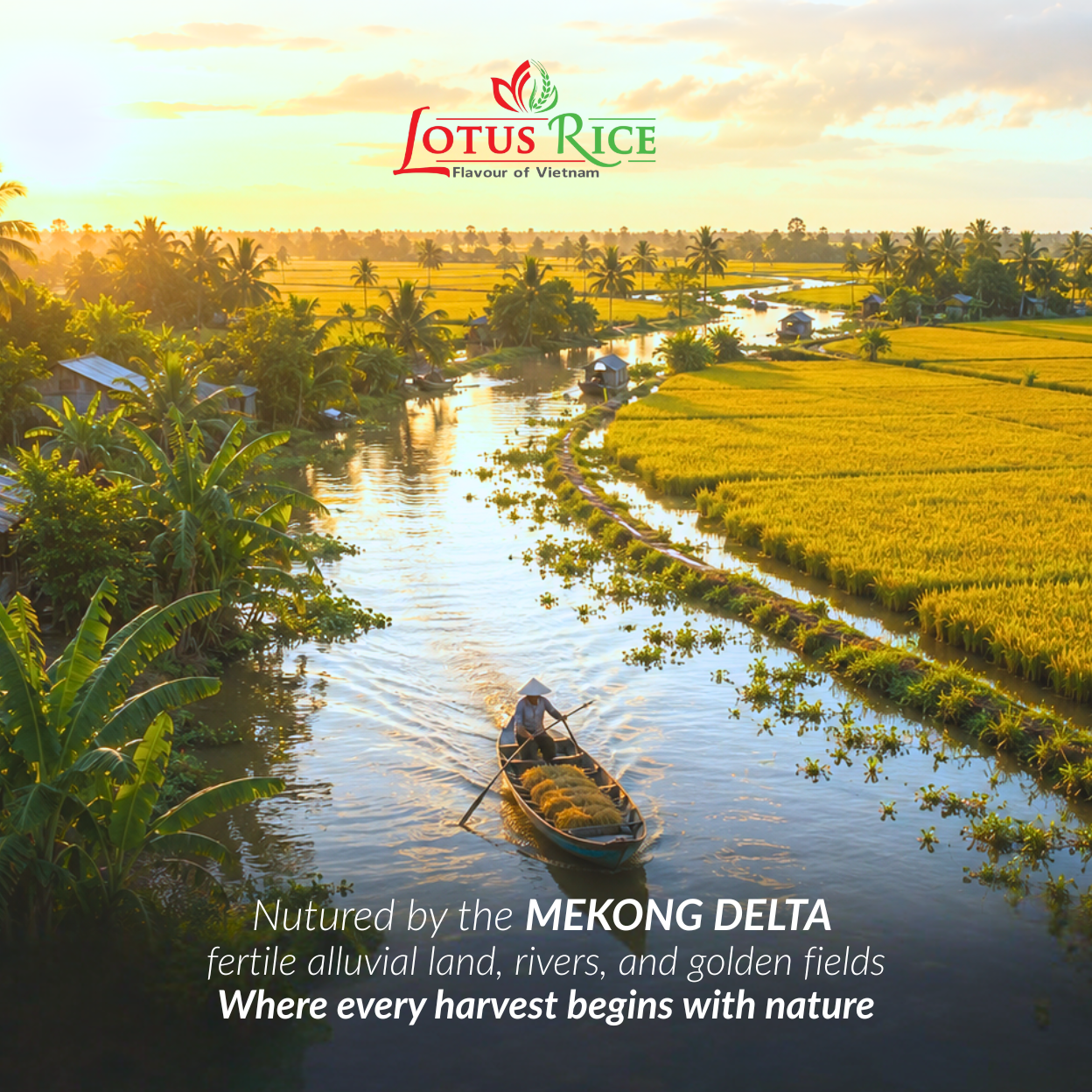
A Fertile Land That Nurtures Golden Harvests
The Mekong Delta, also known as Southwestern Vietnam, is a unique and remarkable region. Formed and nourished by the alluvial deposits of the Mekong River, along with an intricate system of rivers and canals, this land provides ideal conditions for rice cultivation.
Vast rice fields, floating-water seasons, and canals carrying water into the paddies have become familiar images of Mekong Delta. Here, rice is not only a key crop but also the rhythm of life, a treasured memory, and a source of pride for generations of local people.
Mekong Delta Farmers and Their Resilience with Rice Cultivation
Farmers in the Mekong Delta live in harmony with the water. They understand each flood season, each dry season, every layer of alluvial soil, and every change in the climate. They know how to adapt to nature, make use of the riverine environment, and continuously innovate in agricultural production.
From traditional farming experience to the application of modern science and technology, Mekong Farmers have helped bring Vietnamese rice further onto the global agricultural map. Each grain of rice from this region carries not only economic value but also the diligence, creativity, and adaptability of the people of the river delta.
Rice in Mekong Delta Cuisine
The Mekong Delta is known for its rich, rustic, and distinctive cuisine. From rice, local people create many familiar dishes such as steamed rice, porridge, bánh tét, bánh ít, bánh xèo, rice noodles, hủ tiếu, bánh canh, and various traditional cakes.
These dishes not only meet daily needs but express the creativity, skillfulness, and community spirit of Mekong Delta culture. A countryside meal, a warm pot of porridge, or a cylindrical bánh tét during Tết all carry the warmth of family, the spirit of sharing, and the simple beauty of Southern Vietnamese life.
Rice and the Community Lifestyle and the River Delta
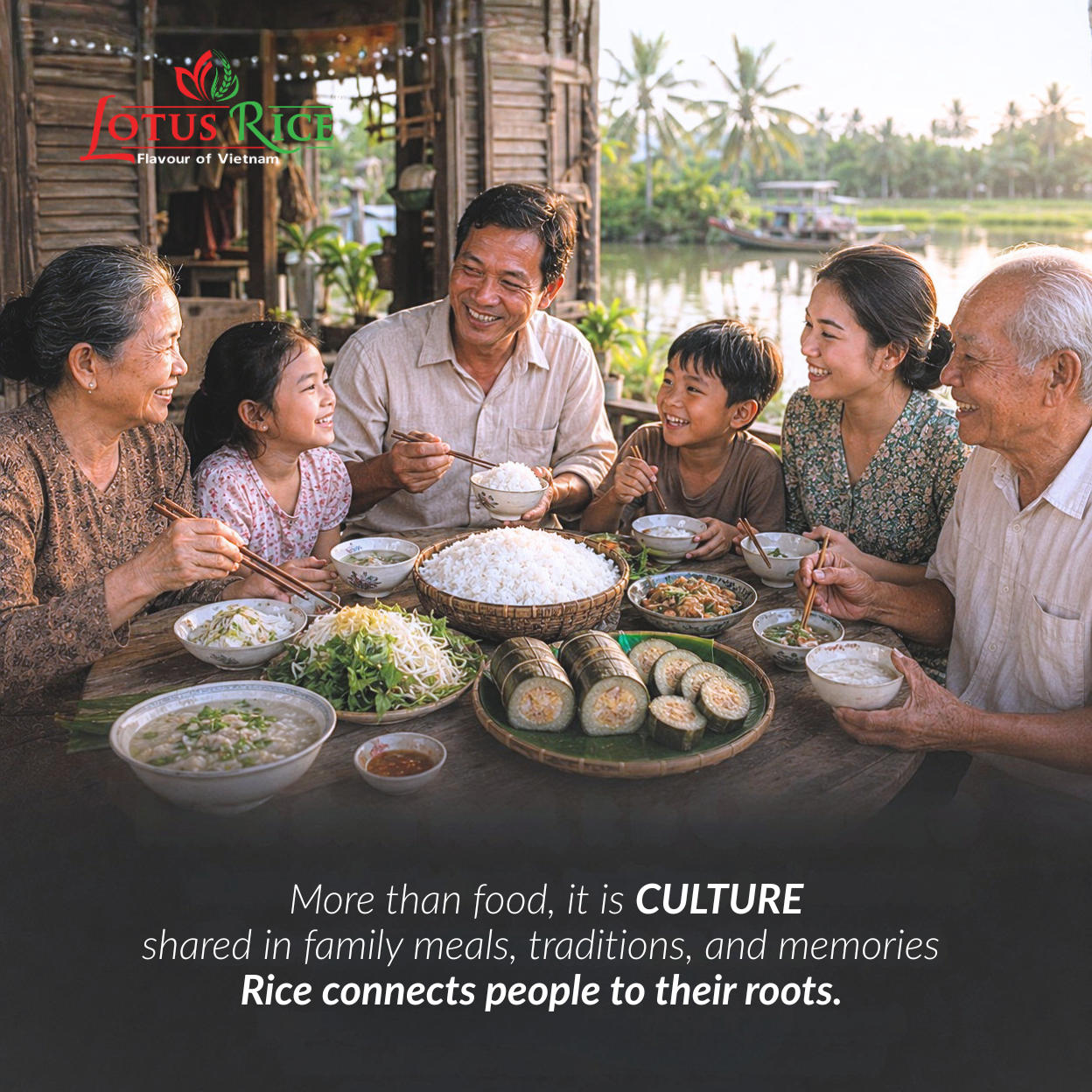
Wet rice culture in the Mekong Delta is expressed not only in the rice fields but also in community life. Sowing seasons, harvest seasons, riverside markets, agricultural exchanges, and neighborhood meals all contribute to the unique cultural identity of the region.
Here, rice serves as a bridge between people and the land, between families and communities, and between tradition and modernity. Each golden harvest is not only the joy of a successful crop but also a symbol of hope, prosperity, and attachment to one’s homeland.
Vietnamese Rice in the Journey of Integration and Sustainable Development
From Agricultural Product to cultural Story
As Vietnamese agricultural transforms toward quality, safety, and sustainability, rice is no longer viewed only as an agricultural commodity. It is also a cultural story that deserves to be told with pride and responsibility.
Every Vietnamese rice grain can represent the image of a diligent, tradition-rich country that continues to adapt to change. In particular, the Mekong Delta rice carries the story of fertile alluvial land, generous and hardworking people, and a region deeply rooted in sincerity and community value.
Preserving Wet Rice Heritage in the Modern Era
Preserving the value of Vietnamese rice means more than protecting an agricultural product. It also means protecting the wet rice cultural heritage that has nourished the nation for thousands of years. This requires a balance between tradition and innovation, local experience and modern science, efficient production and sustainable development.
When rice produced with high quality, built into a strong brand, and introduced through an authentic cultural story, the value of Vietnamese rice will no longer be measured only by output. It will also be recognized through its cultural depth, identity, and the trust it inspires.
Conclusion: Every Grain of Rice Carries the Soul of Vietnam
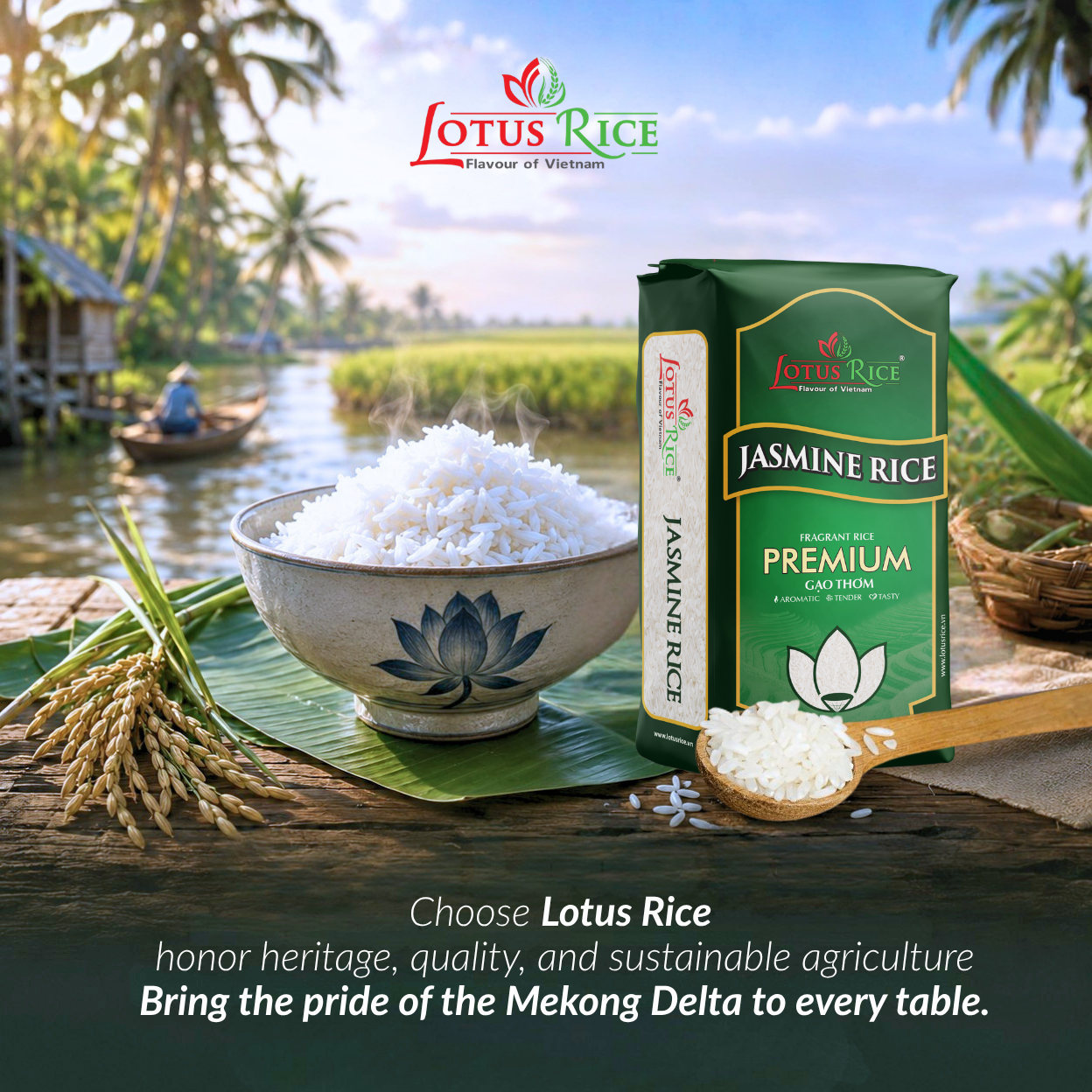
Vietnamese rice is the crystallization of nature, labor, and culture. It is a heritage from the past, a value of the present, and a belief for the future. In every small grain of rice, we can see the image of the homeland, the resilience of farmers, the depth of wet rice civilization, and the identity of the Vietnamese people.
Rice from the Mekong Delta, in particular, carries not only the flavor of fertile alluvial land but also the spirit of Southwestern Vietnam: since, generous, resilient, and full of warmth.
Experience the heritage, quality, and authentic taste Vietnamese rice with Lotus Rice
Every grain of Lotus Rice is more than a choice for a delicious meal. It is a tribute to the fertile alluvial land, the resilience of Mekong Delta farmers, and the thousand-year wet rice civilization of Vietnam.
Choose Lotus Rice to celebrate the richness of Vietnamese culture, support sustainable agriculture, and bring the true pride of the Mekong Delta to every dining table
Discover Lotus Rice today- Pride of the Mekong Delta.