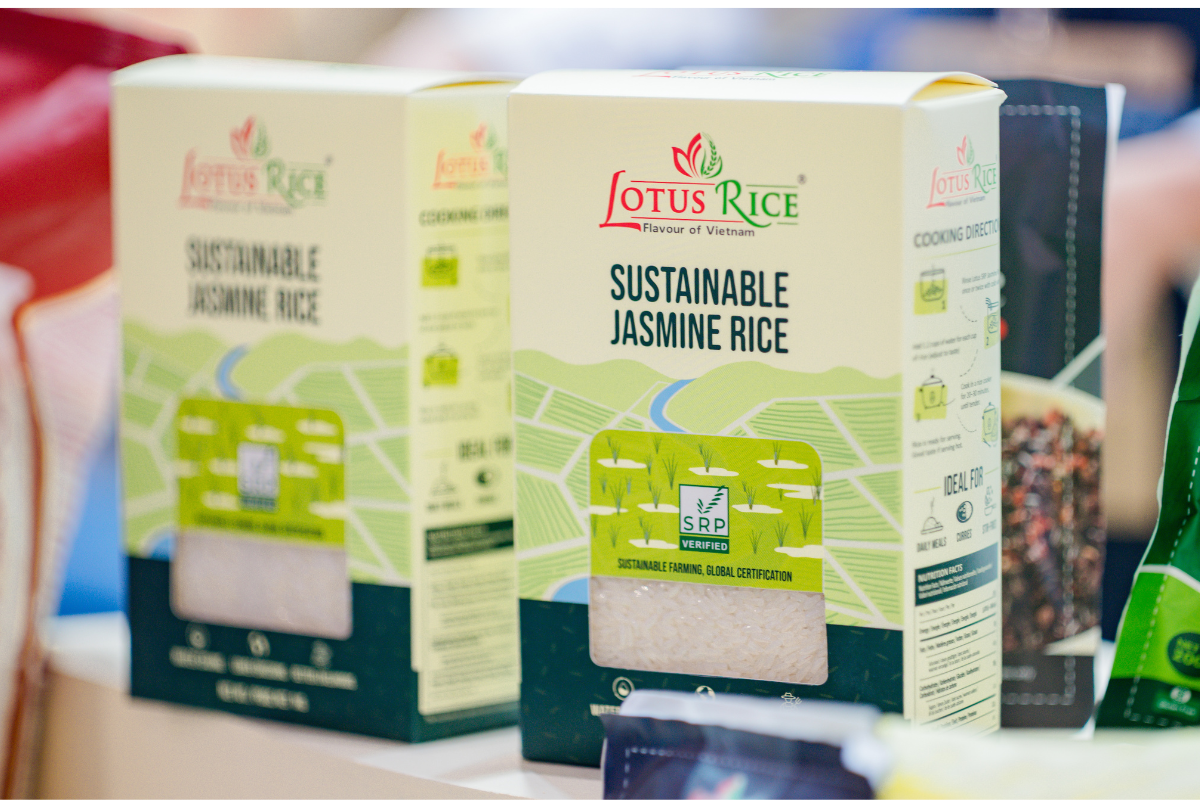
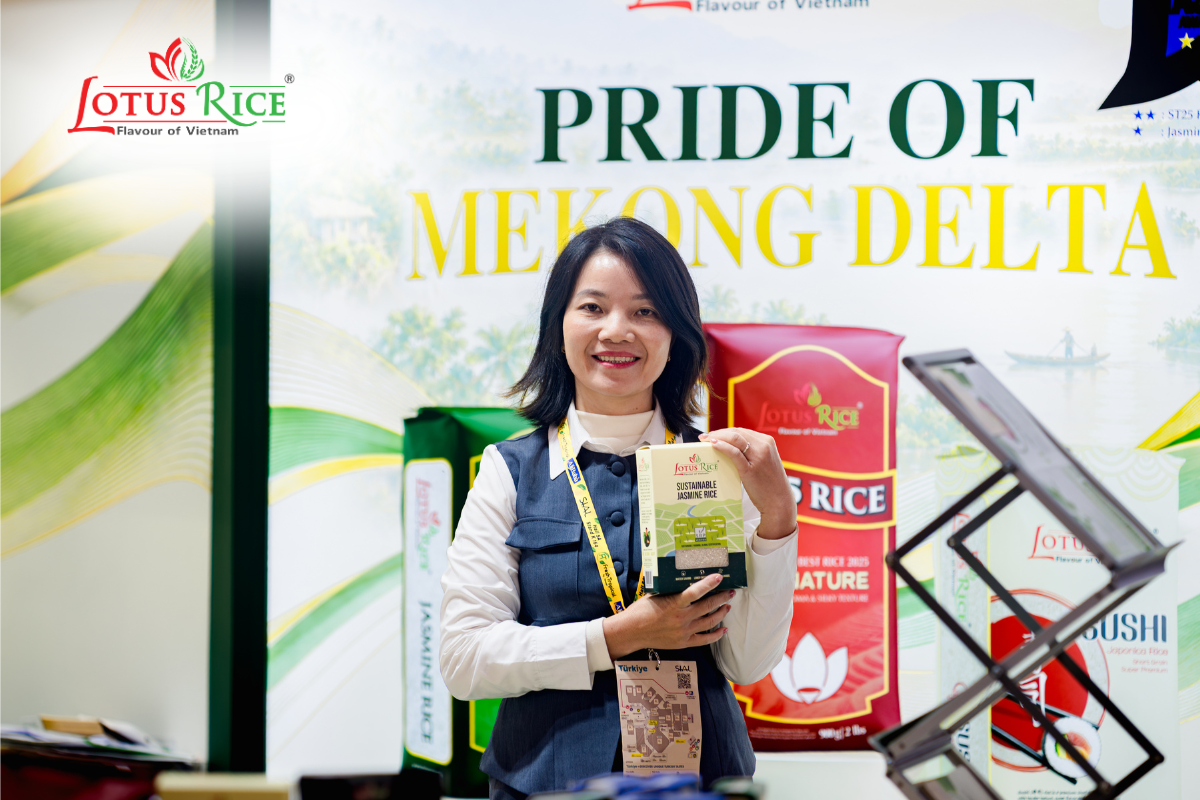
As convenience retail evolves, Ready-to-Eat Rice is creating new opportunities for importers, distributors, and modern retailers.
Rice has traditionally been a staple for home cooking but changing lifestyles and eating habits are reshaping how consumers purchase and prepare their meals.
The Ready-to-Eat Rice market reflects this shift, offering more than a convenient alternative to traditional dry rice. For businesses, it represents an opportunity to expand product portfolios, reach new consumption occasions, and explore different retail channels.
Why Ready-to-Eat Rice Is Gaining Attention
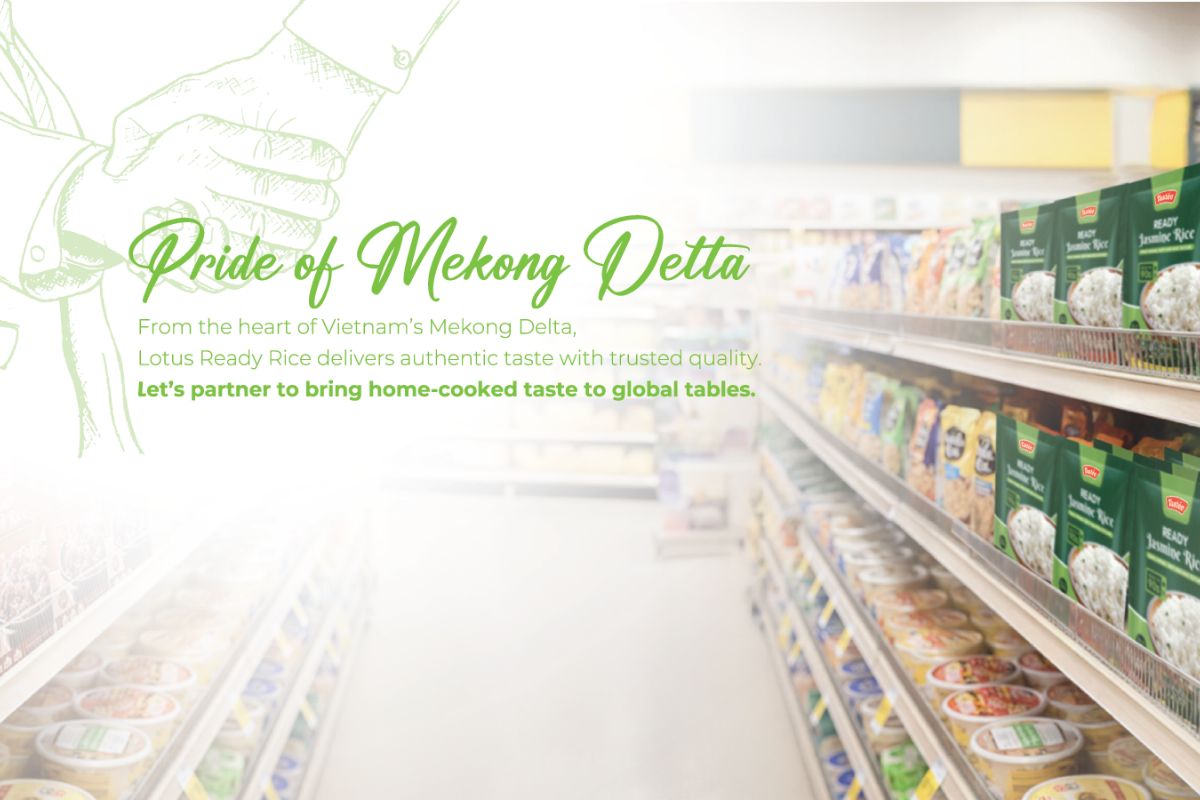
Modern consumers increasingly value convenience, flexibility, and shorter meal preparation times. These changing preferences are influencing product assortments across supermarkets, convenience stores, and modern grocery channels.
Unlike traditional dry rice, which requires cooking, Ready-to-Eat Rice offers a faster preparation option suited to busy lifestyles and individual meals.
For retailers, convenience rice can complement existing rice selections while addressing different shopping needs.
For importers and distributors, the opportunity extends beyond product convenience. It involves understanding how new consumption habits influence purchasing decisions, shelf positioning, and distribution strategies.
How Convenience Retail Is Changing Rice Consumption
Different retail channels create different product expectations.
Traditional rice shoppers often prioritize grain varieties, cooking characteristics, and household packaging sizes. Convenience retail shoppers may instead focus on preparation time, portion size, and ease of use.
This shift introduces three important considerations for businesses entering the Ready-to-Eat Rice category.
Product Format and Performance
Ready-to-Heat Rice products require attention to packaging functionality, preparation methods, serving convenience, and rice texture after heating.
Consumption Occasions
Ready-to-Eat Rice can support quick lunches, workplace meals, individual servings, and other occasions where traditional rice preparation may be less practical.
Retail Placement and Channel Fit
Unlike conventional dry rice, Ready-to-Eat Rice may be positioned within convenient meal solutions or other relevant retail categories, depending on consumer behavior and store formats.
Understanding these differences helps importers and distributors evaluate the commercial potential of Ready-to-Eat Rice beyond its convenience benefits.
Ready-to-Eat Rice: An Opportunity for Portfolio Expansion
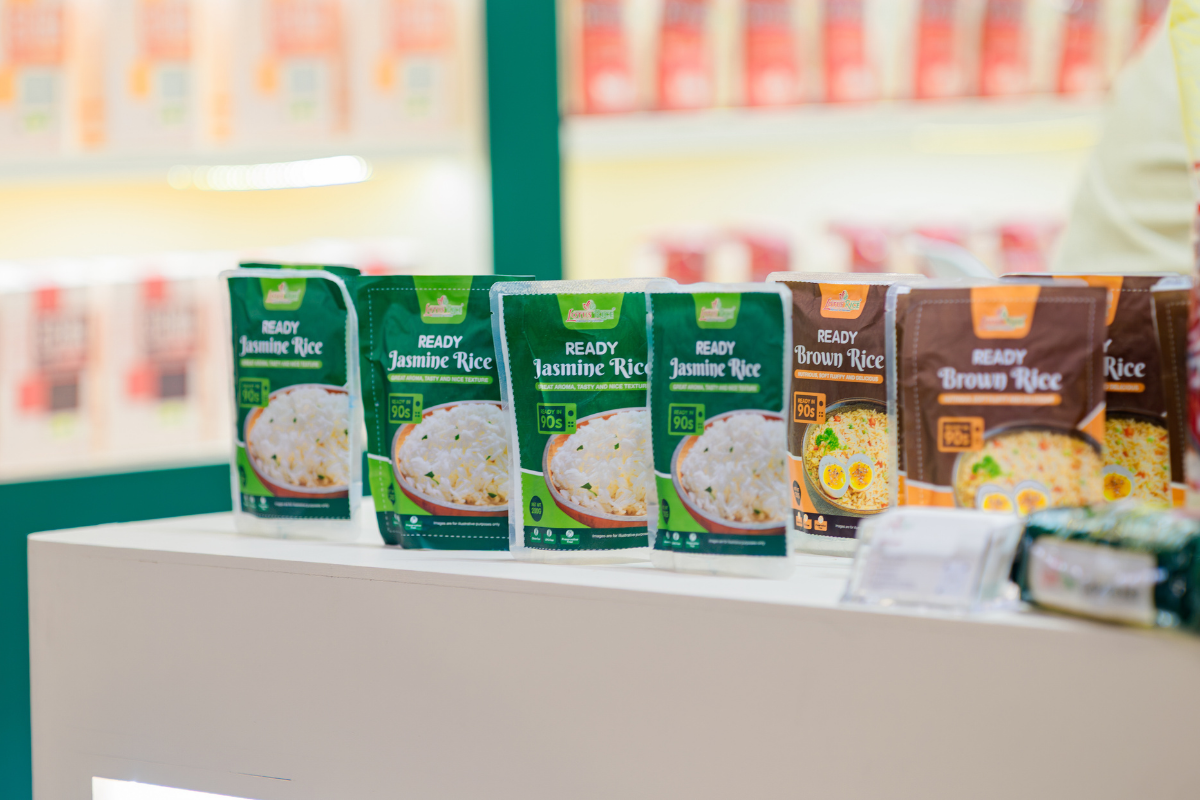
As consumer preferences diversify, a competitive rice portfolio needs to address different preparation habits and retail environments.
Traditional dry rice remains essential for everyday household cooking, while Ready-to-Eat Rice can complement existing assortments by serving convenience-driven consumption.
For businesses, potential channel opportunities include:
- Supermarkets and Hypermarkets: Expanding rice assortments with convenient meal options.
- Convenience Stores: Serving consumers seeking quick and practical meal solutions.
- Modern Grocery Retail: Introducing rice formats suited to evolving shopping habits.
- Food Distribution: Exploring additional product categories for different customer segments.
However, successful portfolio development requires more than adding a new product. Importers should evaluate consumer demand, product performance, pricing, and suitability for their target distribution channels.
Lotus Ready-to-Eat Rice: Supporting Modern Retail Opportunities
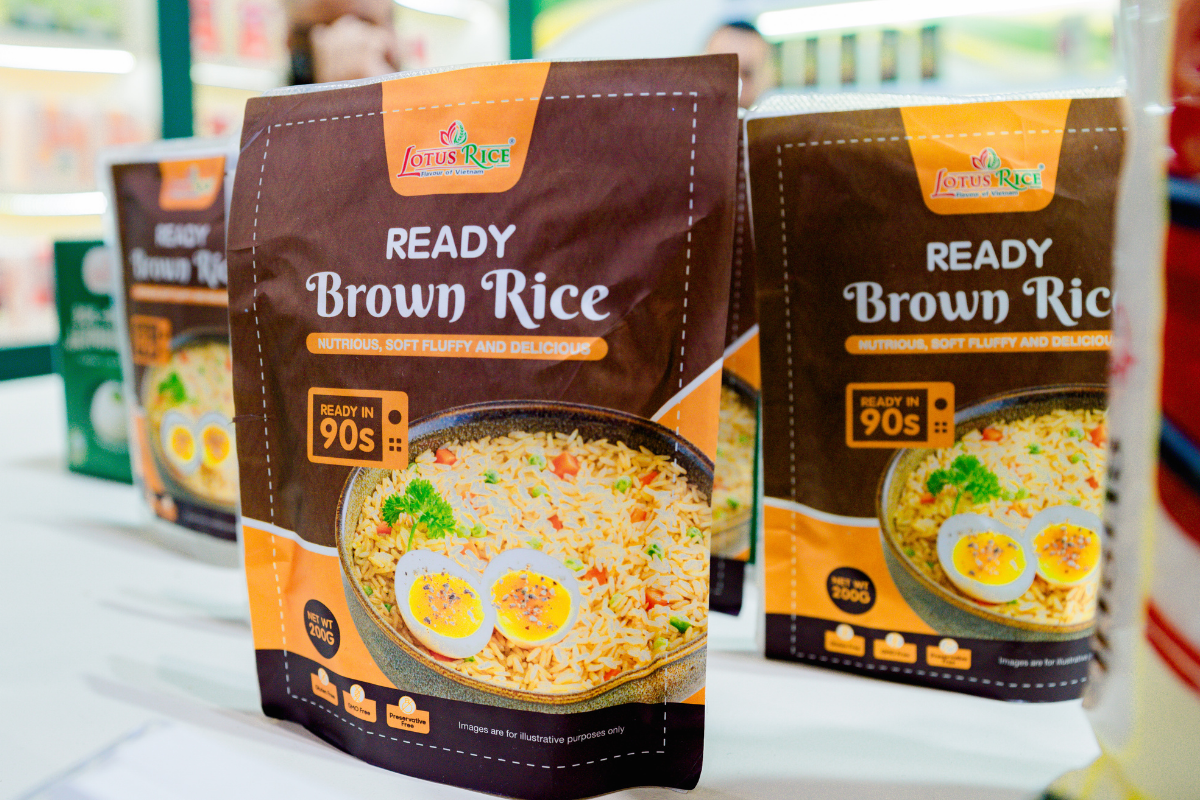
At Lotus Rice, Portfolio development reflects an understanding of evolving consumer needs and international market expectations.
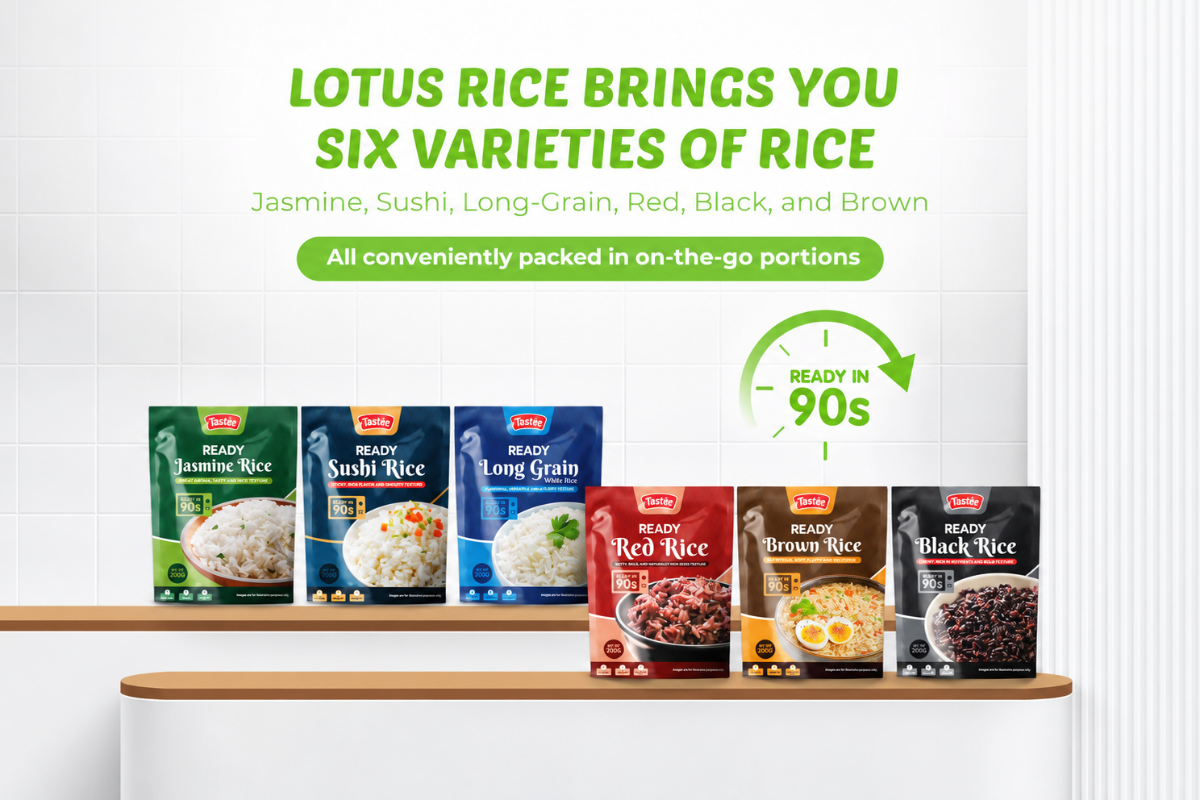
Alongside its traditional rice varieties, Lotus Ready-to-Eat Rice represents an extension into convenience-oriented rice solutions.
For importers and distributors, this creates an opportunity to explore how rice products can serve different consumption occasions and modern retail environments.
Rather than focusing solely on convenience, Lotus Rice encourages a broader approach to portfolio development, considering product suitability, assortment strategy, and channel requirements.
As the rice market continues to evolve, identifying the right product for the right retail environment will become increasingly important.
Looking Beyond Convenience
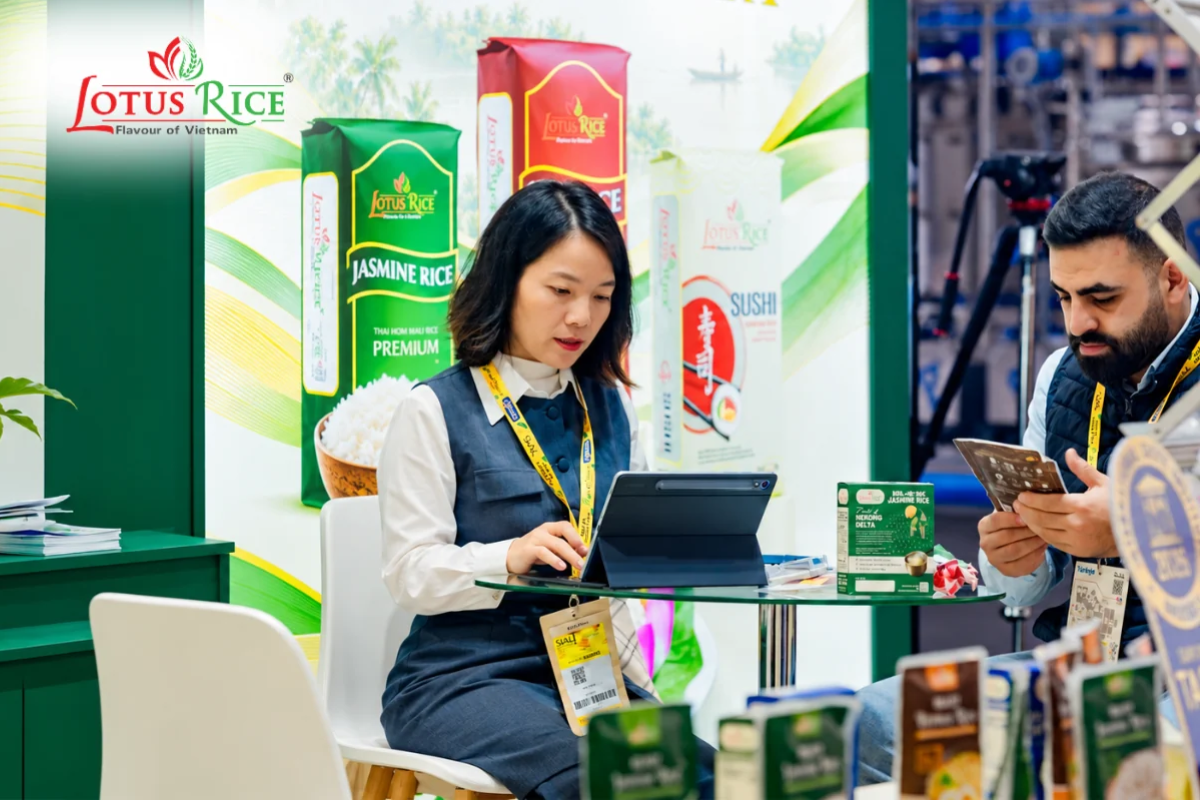
The Ready-to-Eat Rice market presents opportunities for businesses seeking to diversify their rice portfolios and explore new retail channels.
The key is not simply offering a faster way to prepare rice but understanding how different product formats can meet changing consumer expectations.
For importers and distributors, Ready-to-Eat Rice is more than a convenience product. It is a potential channel development opportunity.
Explore Lotus Ready-to-Eat Rice for convenience and modern retail channels.
#ReadyToEatRice #ConvenienceRetail #RiceMarket #FoodDistribution #RiceInnovation #LotusRice
————————————
Website: https://www.lotusrice.vn/
Email: connect@lotusgroup.vn
WhatsApp: (+84 77) 6996 768
Phone: (+84 28) 3622 2236
Head office: No. 52, Street 10, Him Lam Residence, Tan Hung Ward, HCM