Discover the meaning of white rice in Asian culture, from family traditions to cherished memories, and how Lotus Jasmine Rice brings the taste of home closer.
White Rice in Asian Culture: What a Bowl of Rice Passes Down
A bowl of white rice may look simple, yet for generations of Asian families, it has carried something far greater than nourishment.
It is present at everyday dinners, family reunions, and celebrations. It accompanies the dishes we grow up loving and the conversations that turn ordinary meals into lasting memories.
Across Asia, rice traditions differ, but they share a meaningful connection: the family table becomes part of our identity, and where the traditions of one generation are passed on to the next.
The Cultural Meaning of White Rice Across Asia
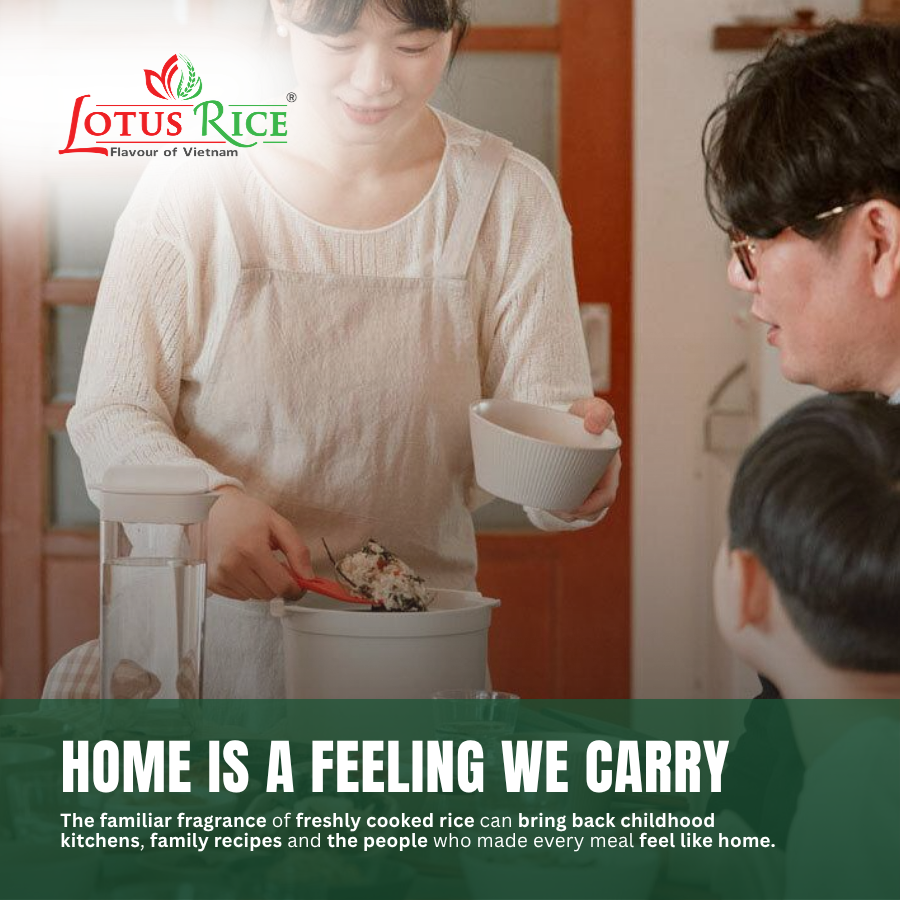
From Vietnamese home cooking to Japanese washoku, Korean bapsang, and South Indian meals, white rice occupies a distinctive place in many Asian food cultures. Its significance lies not only in the ways it is prepared but also in the traditions surrounding its consumption.
Vietnam: Where a Bowl of Rice Brings the Family Together
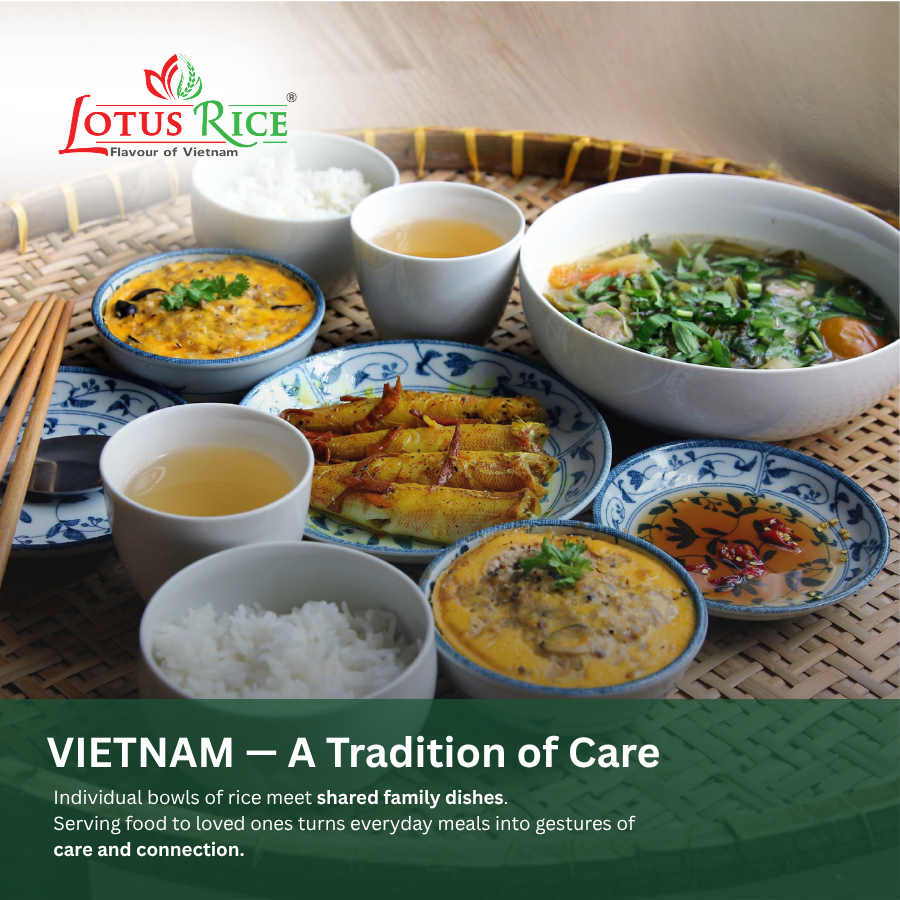
In Vietnamese homes, a typical family meal brings individual bowls of rice together with shared dishes, often including braised fish or meat, vegetables and soup. This arrangement makes the meal a collective experience, with each person enjoying food from the same table.
The familiar invitation to eat, the act of serving food to a loved one, and the recipes prepared by parents and grandparents give these meals their emotional meaning.
Through such everyday gestures, rice becomes part of how families express care and preserve their culinary heritage.
Japan and Korea: Rice as a Living Tradition
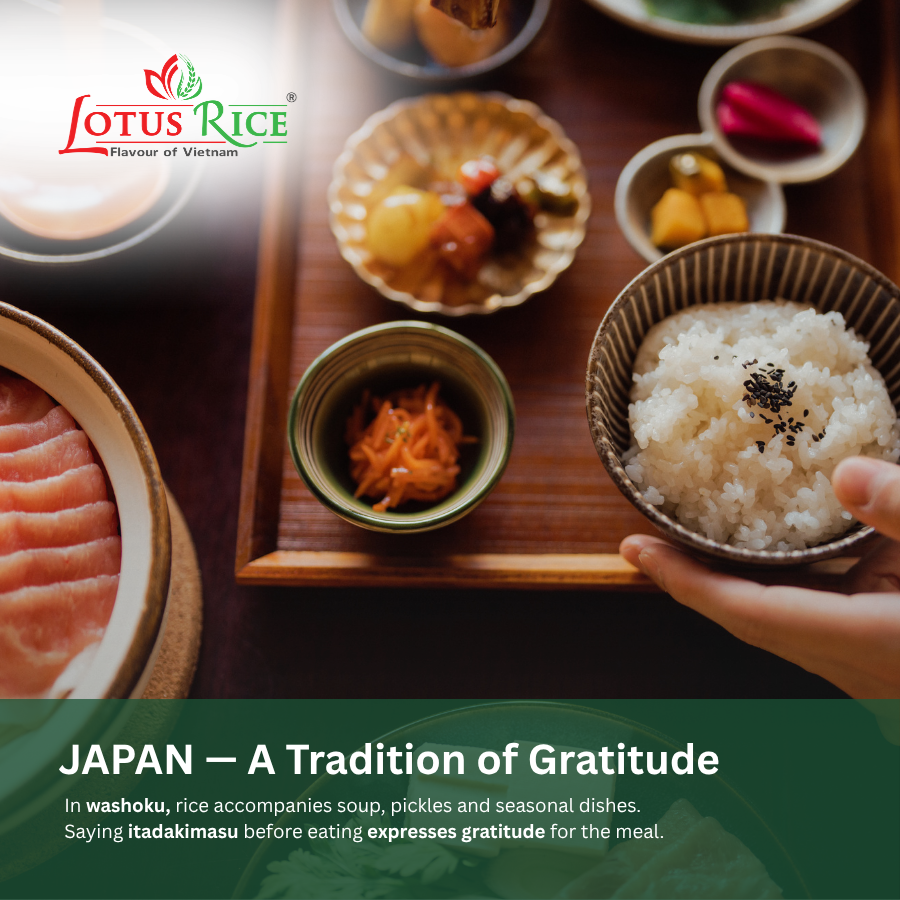
In Japan, rice is central to washoku, a traditional dietary culture recognized by UNESCO as Intangible Culture Heritage in 2013. Washoku encompasses knowledge and practices associated with preparing and sharing food, including traditions passed down through family meals.
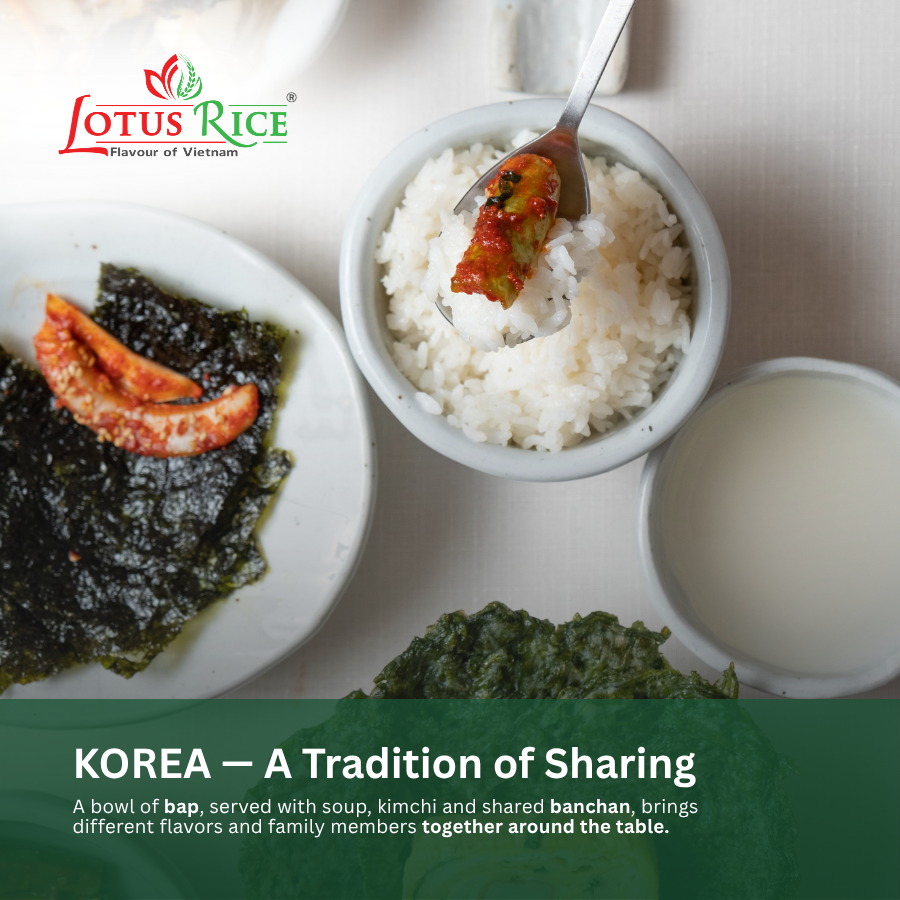
In Korea, cooked rice, or bap, is commonly enjoyed alongside soup, kimchi and banchan. Different dishes come together around rice, allowing each dinner to create their own combination of flavors.
Both traditions illustrate how a simple bowl of rice can bring together the ingredients, customs and knowledge that give a meal its cultural identity.
South India: Rice at the Heart of Celebration
In southern India, rice is equally meaningful in everyday cooking and festive traditions. Kerala’s Onam Sadya, for example, is a traditional feast featuring rice alongside dishes such as sambar, avial, and rasam. Families gather to celebrate the harvest and share a meal that reflects the region’s culinary heritage.
Although the flavours and customs differ across Aisa, these traditions reveal a common theme: rice helps bring people together through the food they prepare and share.
Why a Bowl of White Rice Can Feel Like Home
For many people of Asian heritage living abroad, the meaning of white rice extends beyond the dinner table.
A familiar fragrance rising from freshly cooked rice can recall a childhood kitchen. A favorite family recipe can bring back memories of parents preparing dinner or grandparents gathering everyone around the table.
These memories are not simply about taste. They are connected to the people, places, and everyday rituals that shaped us.
As families move across borders and generations, food becomes one way to maintain that connection. Recipes may evolve, and new ingredients may find their way onto the table, but the traditions of cooking and sharing rice can remain.
Sometimes, home is defined by where we live, but by the familiar moments we continue to create.
Lotus Jasmine Rice: Rooted in the Mekong, made for the Moments We share.
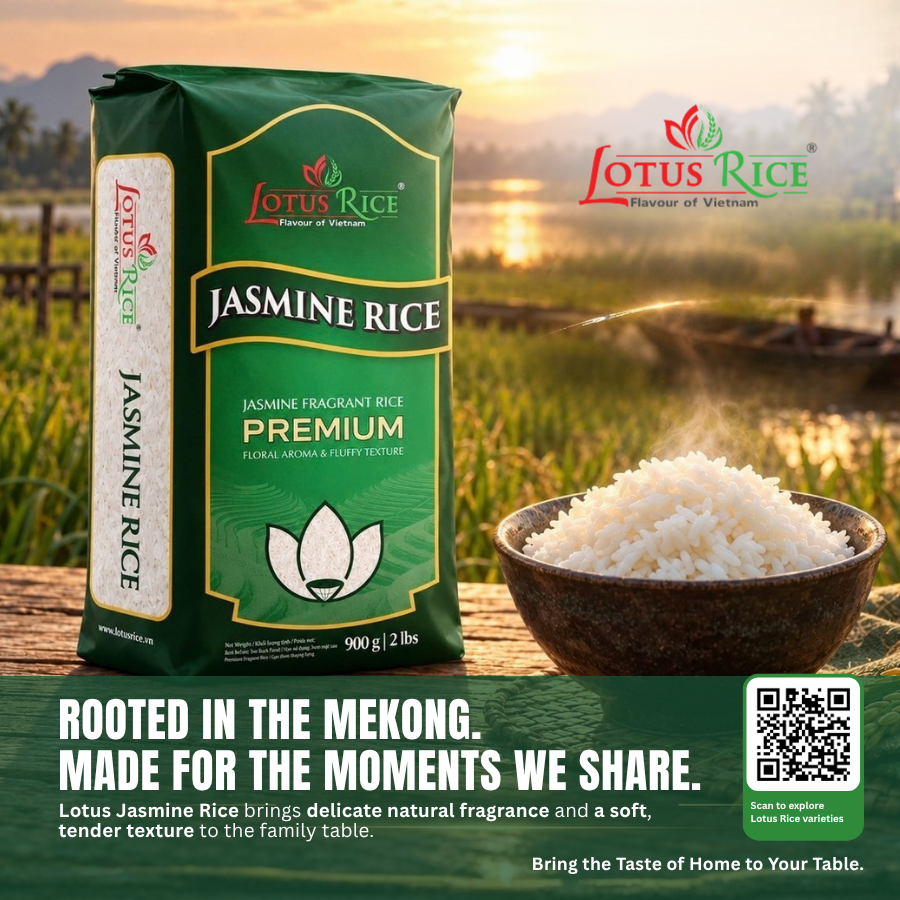
For Lotus Rice, the cultural meaning of rice begins with an appreciation for the traditions it brings to the table.
Grown in Vietnam’s Mekong Delta, Lotus Jamsine Rice is known for its delicate natural fragrance, long grains and soft, tender texture after cooking. Its familiar sensory qualities make it a natural companion to a variety of everyday family dishes.
Whether served alongside Vietnamese braised dishes, comforting soups or cherished family recipes, Lotus Jasmine Rice brings the taste of the Mekong Delta to dining tables around the world.
Because what we pass down is more than a way of cooking rice. It is a way of caring for one another, honoring our heritage and keeping the feeling of home alive.
Bring the Taste of Home to Your Table
Rediscover the comfort of familiar family meal Lotus Jasmine Rice. Explore its natural fragrance, soft texture and Mekong Delta origin, and make every bowl part of the traditions you cherish.
————————————
Website: https://www.lotusrice.vn/
Email: connect@lotusgroup.vn
WhatsApp: (+84 77) 6996 768
Phone: (+84 28) 3622 2236
Head office: No. 52, Street 10, Him Lam Residence, Tan Hung Ward, HCM