Explore how aroma, texture, cooking performance and sourcing requirements shape rice selection across different markets and discover the Lotus Rice portfolio for diverse applications.
One World, Different Rice Expectations
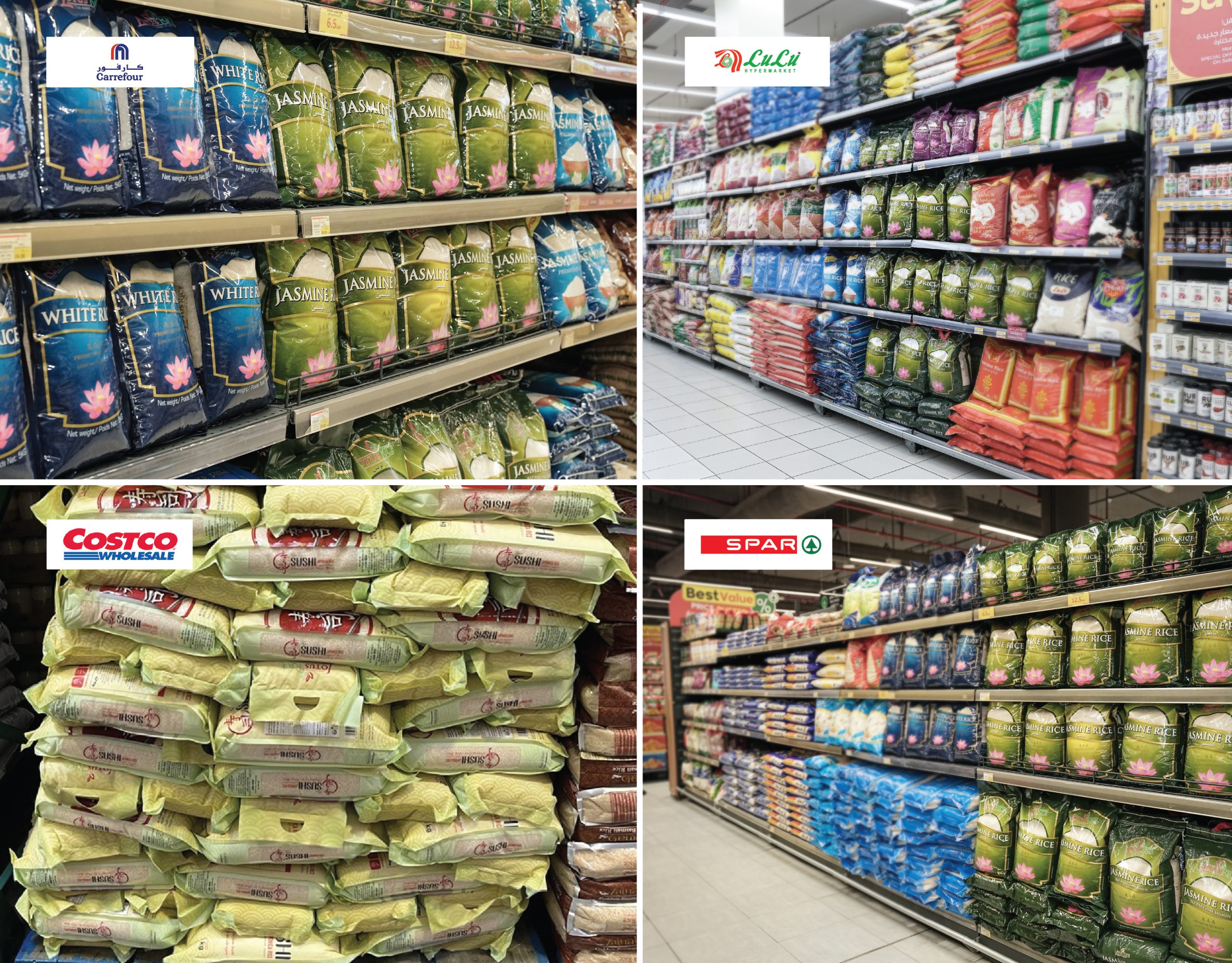
Rice may be a global staple, but the qualities expected from it are far from universal.
Aroma can define the experience in one market. In another, buyers may prioritize grain separation, softness, stickiness, cooking consistency, or responsible sourcing requirements. For businesses sourcing rice, the question therefore goes beyond choosing a variety.
It is about finding the right product for the market, application, and positioning behind it.
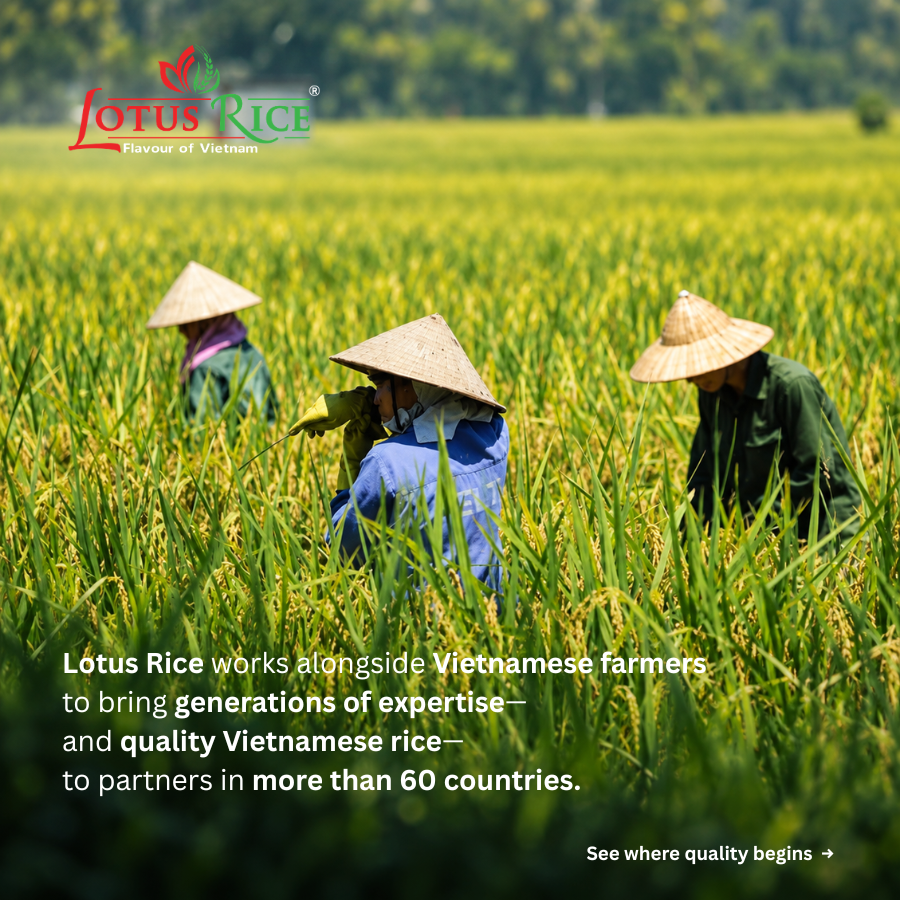
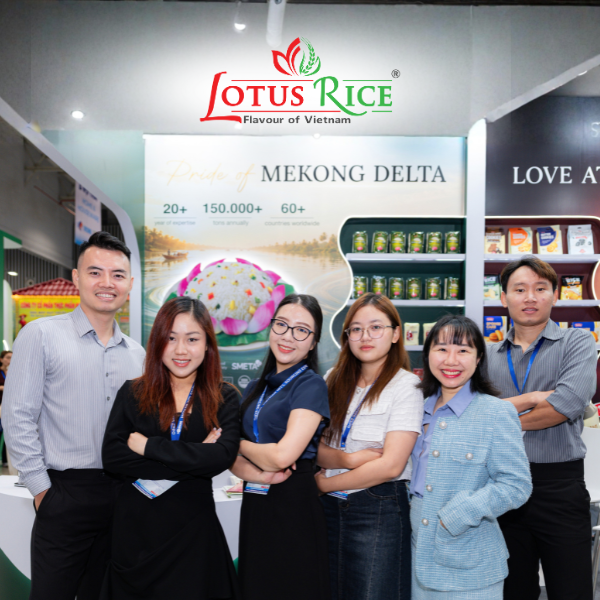
Lotus Rice works with customers across more than 60 international markets and offers a portfolio covering different varieties, specifications, and market requirements.
What defines the right rice for a market?
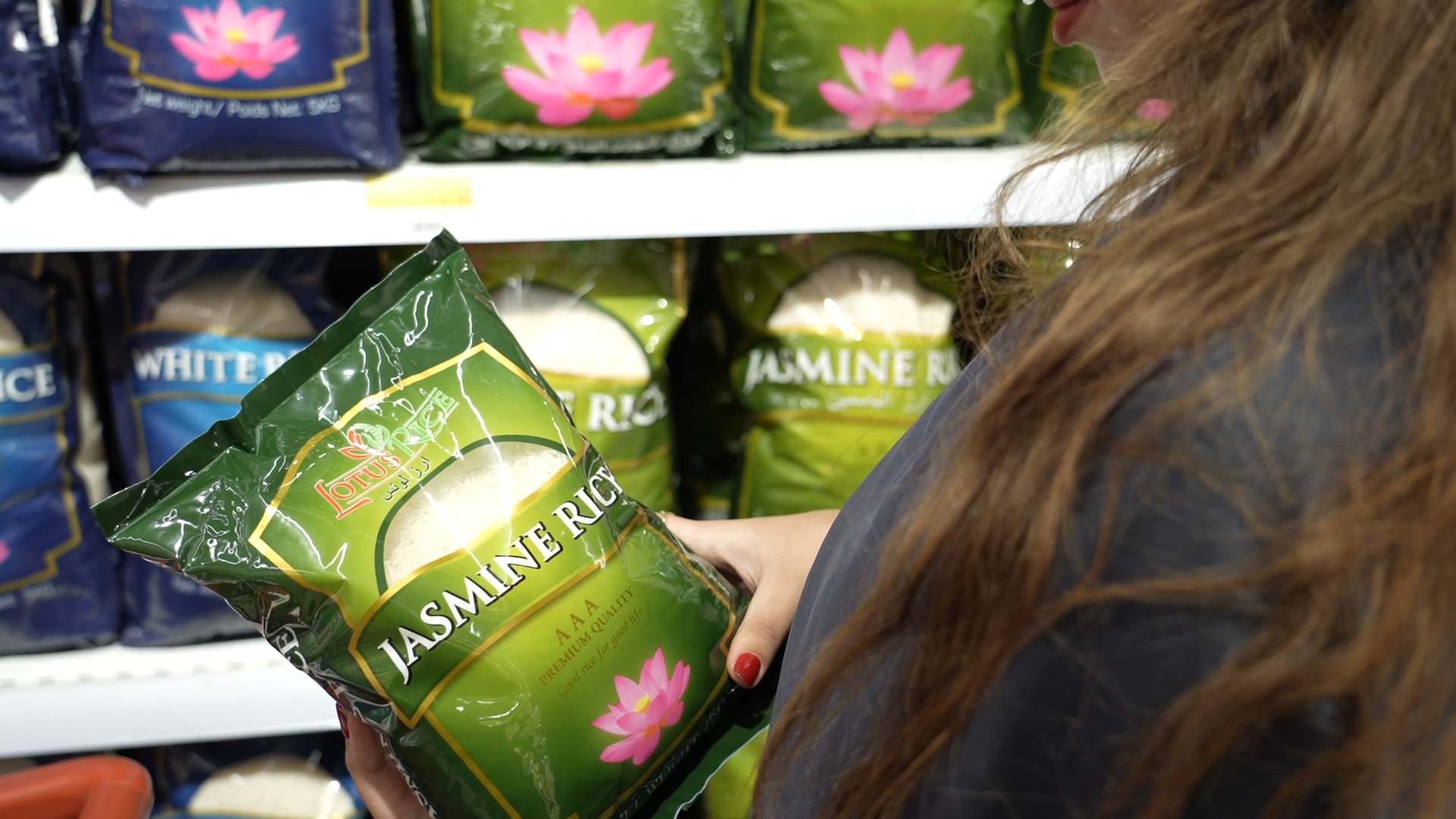
Aroma and Texture
Aroma, softness, firmness and stickiness strongly influence the eating experience.
IRRI notes that cooking and eating quality is affected by characteristics such as amylose content, which influences whether cooked rice tends to be softer and sticker or drier and more separated.
These characteristics highlight the clear differences between rice types.
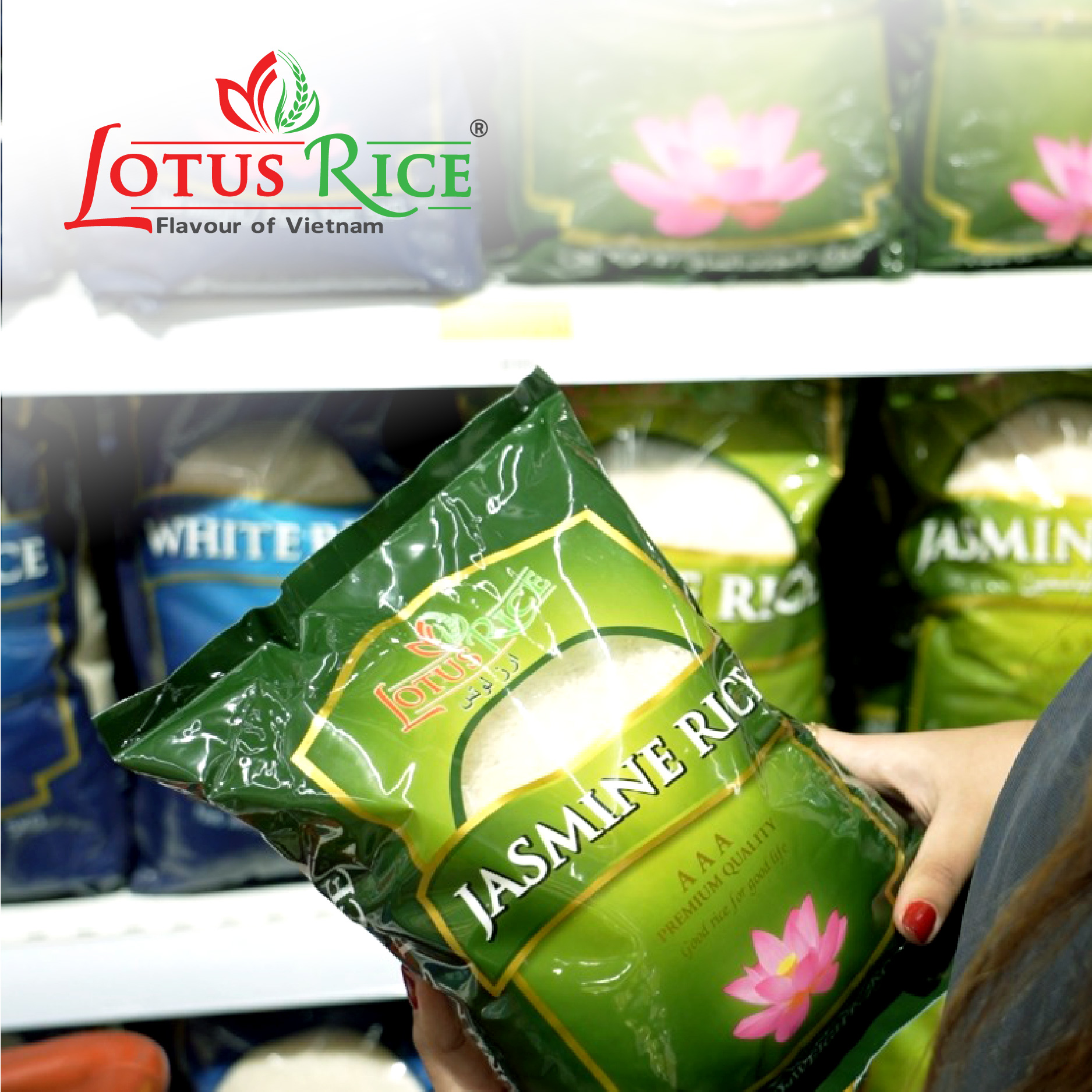
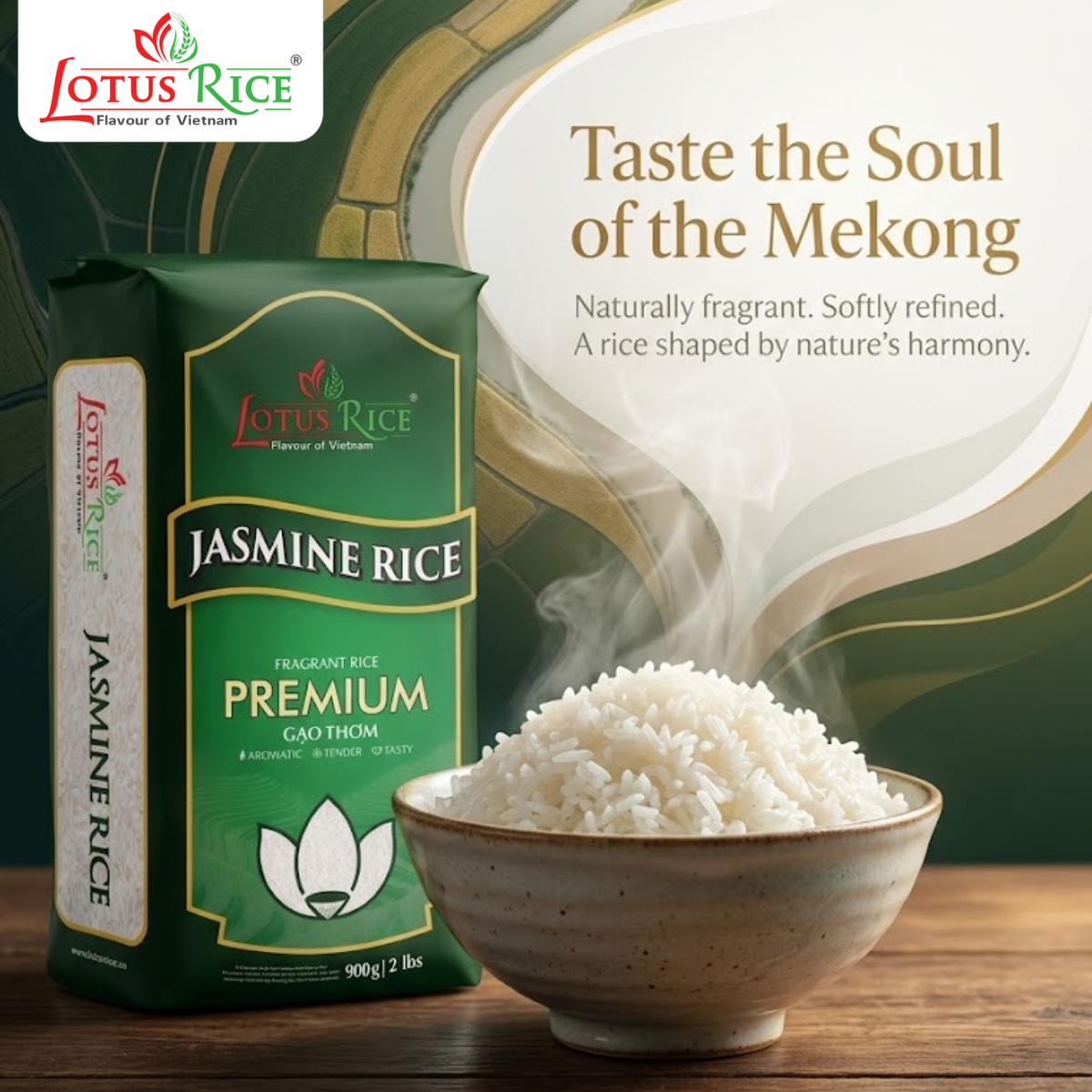
Lotus Jasmine Rice offers a naturally fragrant aroma and a soft texture when cooked, while Sushi Rice provides a more cohesive texture for applications that require the grains to remain together.
The key question is therefore not only which rice looks right, but which texture the final dish requires.
Cooking Performance
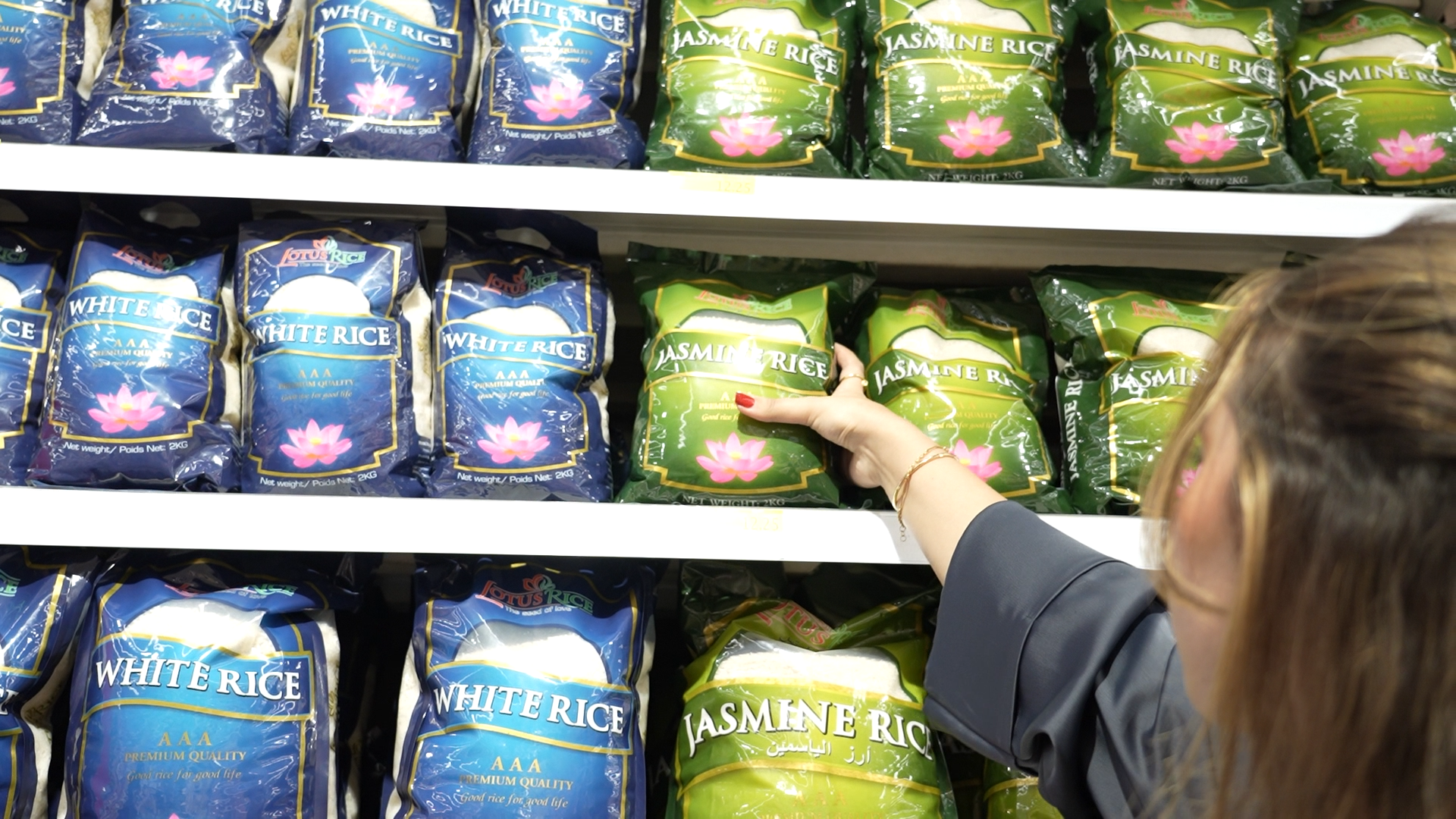
Rice must continue to perform after it leaves the pack.
Some applications require individual grains to remain separate. Others depend on moisture, softness, or cohesion. Foodservice and large-scale preparation may also place greater importance on cooking consistency.
That is Why Jasmine, White Long Grain, Sushi/ Japonica and Glutinous Rice are not interchangeable.
The variety should be selected according to its intended cooking result, cuisine, and channel.
Market and Food- Safety Requirements
Product- market fit also includes regulatory requirements.
In the European Union, for example, Maximum Residue Levels (MRLs) define legally permitted pesticide residue levels for food placed on the EU market, including imported products.
For rice sourcing, this makes cultivation requirements, processing controls, documentation and quality management part of the commercial conversation.
Lotus Rice connects these requirements across its value chain, from cultivation and processing to specifications and packaging for different markets.
Responsible Sourcing
In some markets, how rice is produced has become part of the product proposition.
The Sustainable Rice Platform (SRP) Standard covers areas including farm management, water use, nutrient and pest management, harvesting, health and safety, and labor rights.
Organic products also need to comply with specific certification and import requirements in markets such as the European Union.
For Lotus Rice, Organic and SRP Rice therefore represent distinct sourcing directions for businesses where certification and responsible sourcing are part of the brief.
Lotus Rice Directions for Different Markets
There is no single product formula for an entire region. However, market characteristics can provide a practical starting point for sourcing discussions.
Asia — Jasmine, Sushi and Glutinous Rice
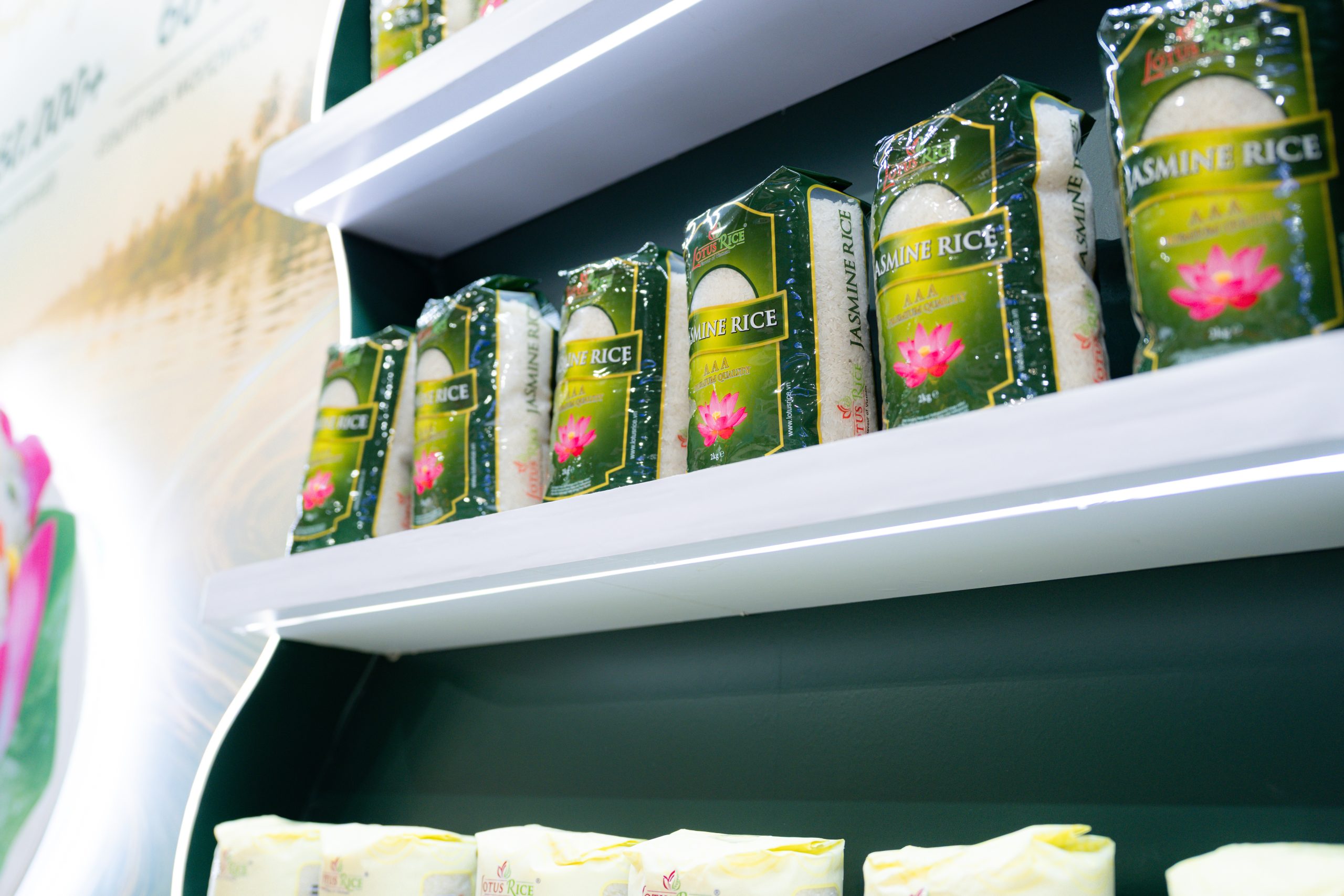
Diverse cuisines create different texture requirements.
Jasmine Rice brings fragrance and softness, Sushi/Japonica Rice offers cohesion, while Glutinous Rice serves applications where a sticky texture is essential.
Middle East — Jasmine and White Long Grain
Two different directions can address different applications.
Jasmine Rice supports fragrance-led propositions, while White Long Grain Rice provides a direction for dishes where grain separation and cooking performance are priorities.
Europe — ST25, Organic and SRP Rice
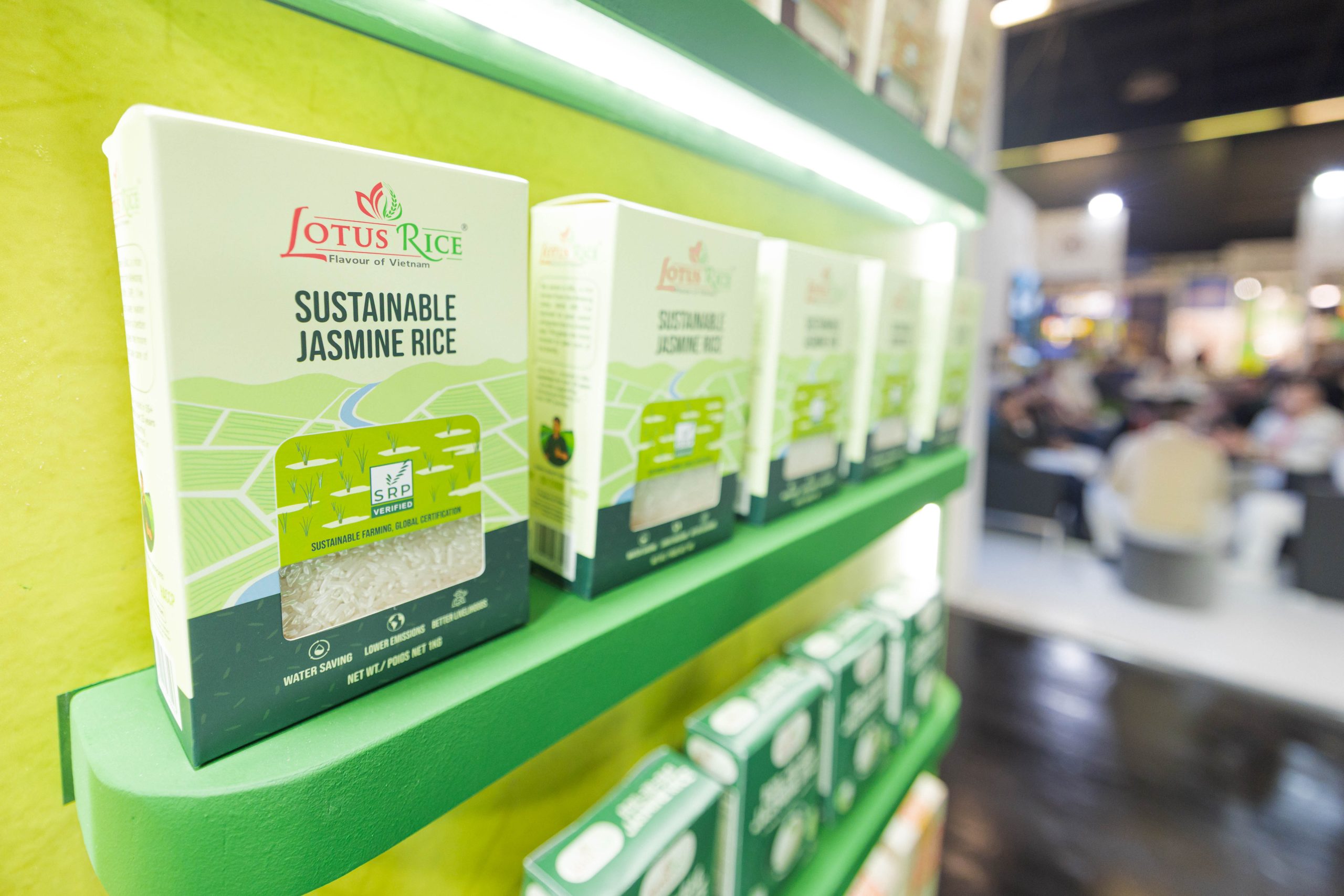
Premium quality, certification, and responsible sourcing can play a stronger role in product positioning.
ST25 provides a premium Vietnamese rice direction, while Organic and SRP Rice support product concepts where certified or more responsible sourcing matters.
Africa — White Long Grain Rice
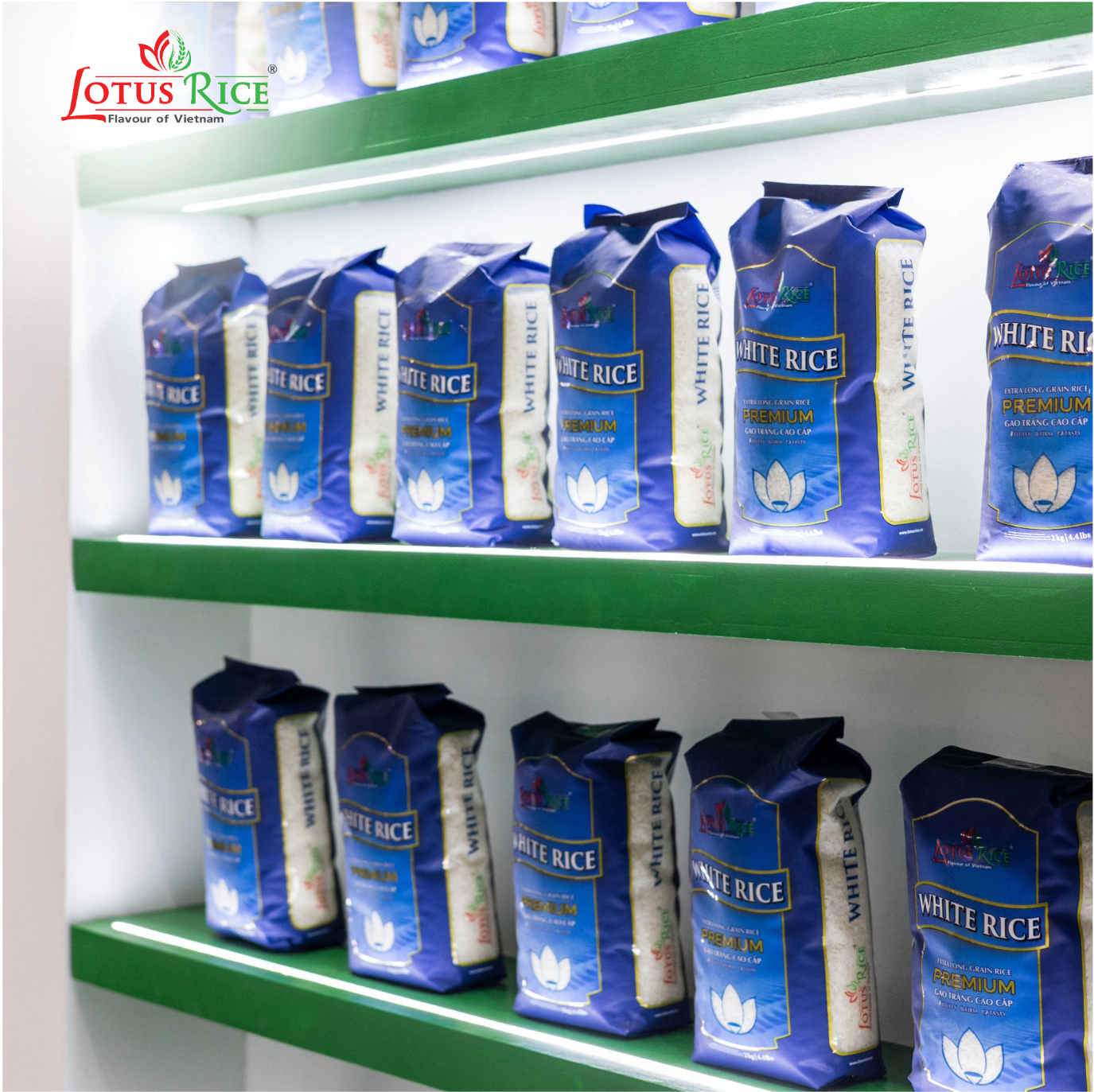
White Long Grain Rice offers a practical starting point for applications requiring separated grains, and reliable cooking performance.
Final specifications should still be determined by local cuisine, price positioning, and distribution channel.
Americas — Calrose and Jasmine Rice
Calrose and Jasmine Rice provide contrasting texture and sensory profiles.
The choice depends on cuisine, application and target consumer rather than geography alone.
Oceania — Jasmine, Sushi and Organic Rice
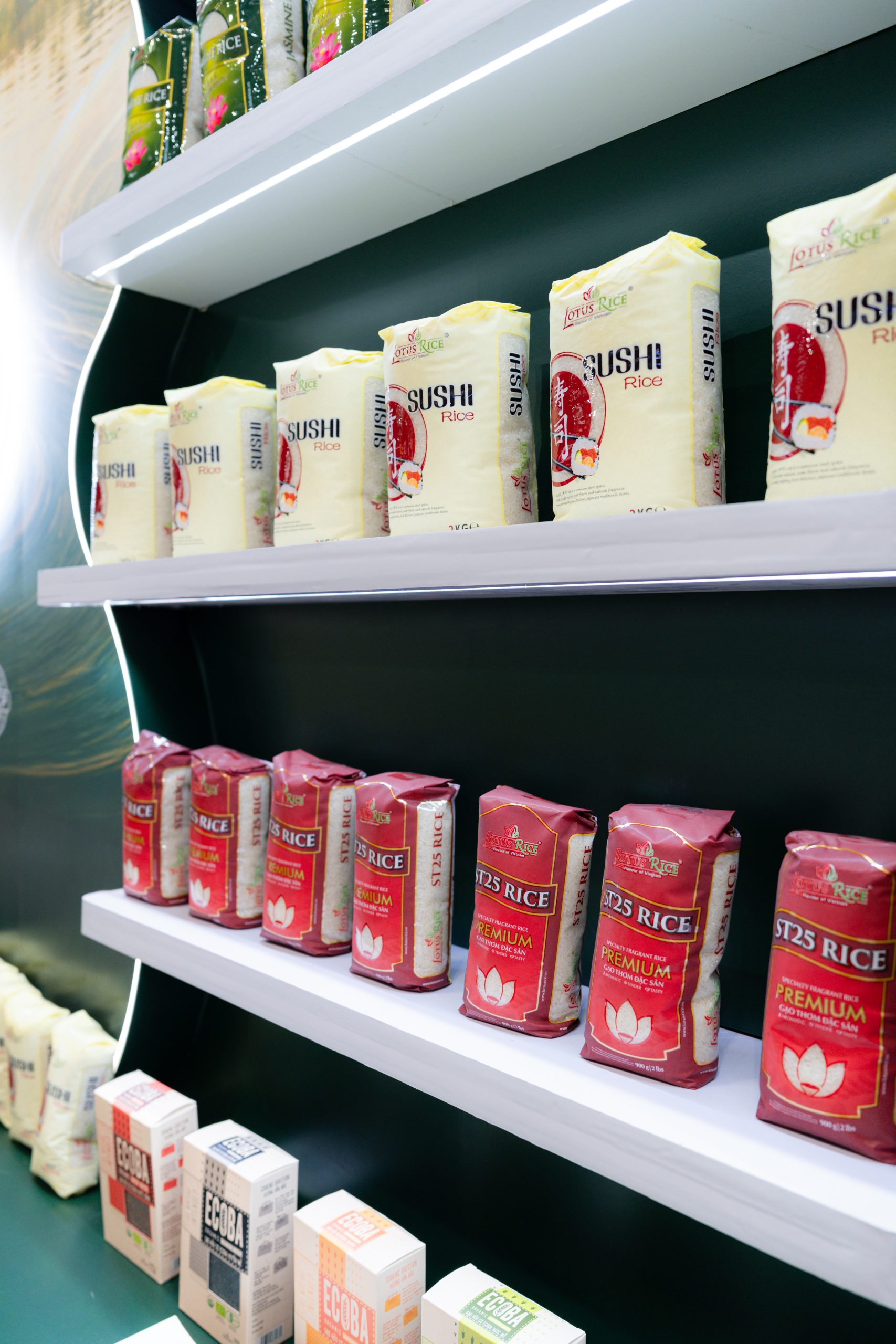
For portfolios covering mainstream, cuisine-specific and certified propositions, Jasmine, Sushi/Japonica and Organic Rice provide complementary product directions.
From Rice variety to Market Fit
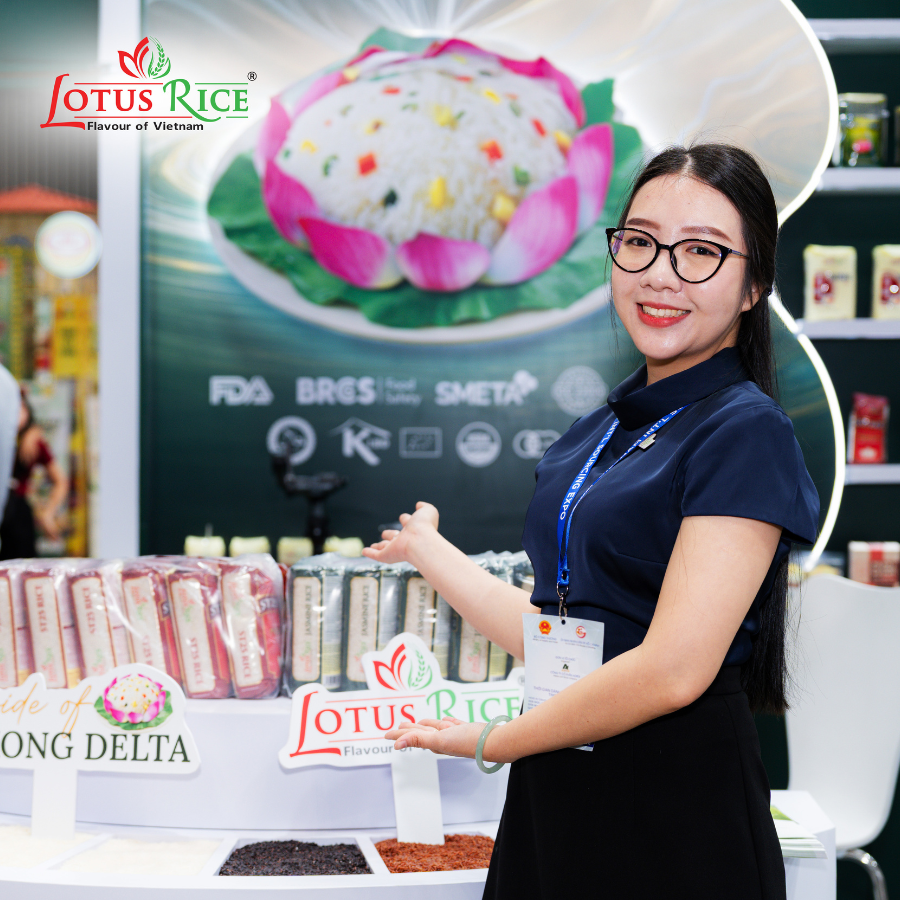
Choosing the right rice means looking beyond the variety itself. Market expectations, cooking performance, application, and sourcing requirements all shape the final product direction.
Lotus Rice brings these factors together to help partners identify a rice solution that is better aligned with their market and commercial needs.
Ready to define the right rice for your market? Start with Lotus Rice
————————————
Website: https://www.lotusrice.vn/
Email: connect@lotusgroup.vn
WhatsApp: (+84 77) 6996 768
Phone: (+84 28) 3622 2236
Head office: No. 52, Street 10, Him Lam Residence, Tan Hung Ward, HCM
Your document has finished loading