Vietnamese rice has evolved from a symbol of agricultural heritage into a diverse and increasingly sophisticated product portfolio for the international market.
For importers, distributors, retailers, and food-service businesses, choosing Vietnamese rice is not only about origin. The right variety must match the target market, cooking application, quality requirements, and consumer expectations.
At Lotus Rice, we connect the agricultural heritage of Vietnam with the practical needs of global buyers, offering a portfolio that includes premium ST25, aromatic Jasmine, and market-focused Sushi and Calrose rice.
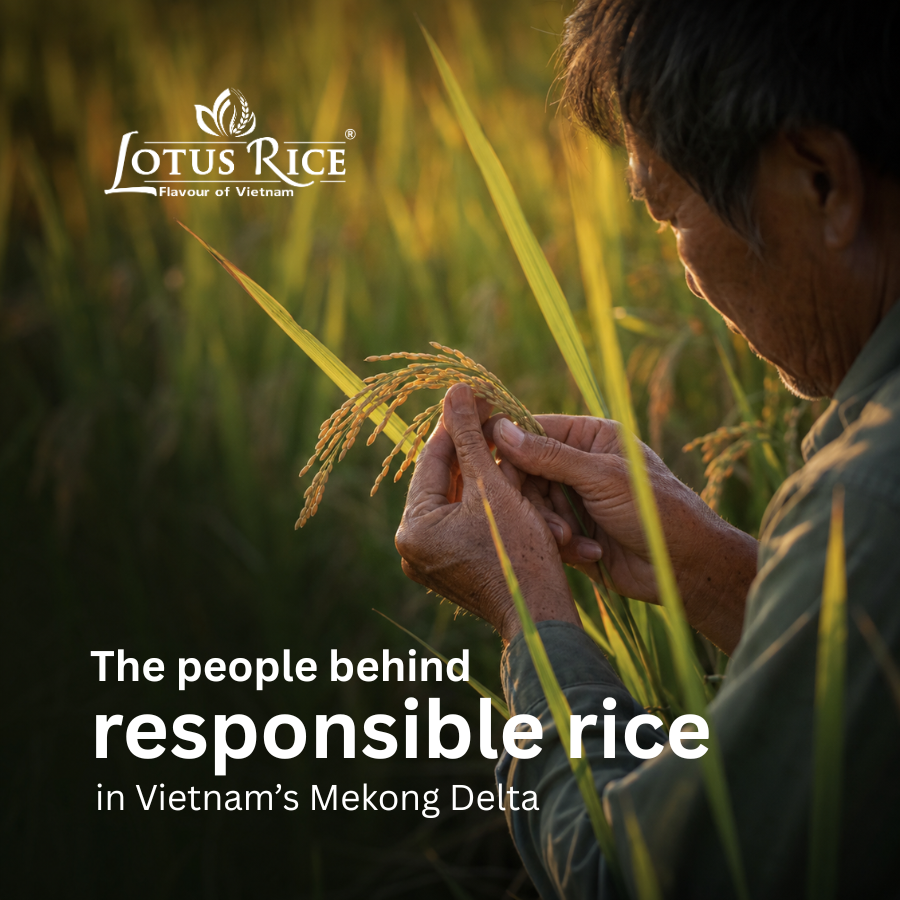
The Mekong Delta: the Foundation of Vietnamese Rice
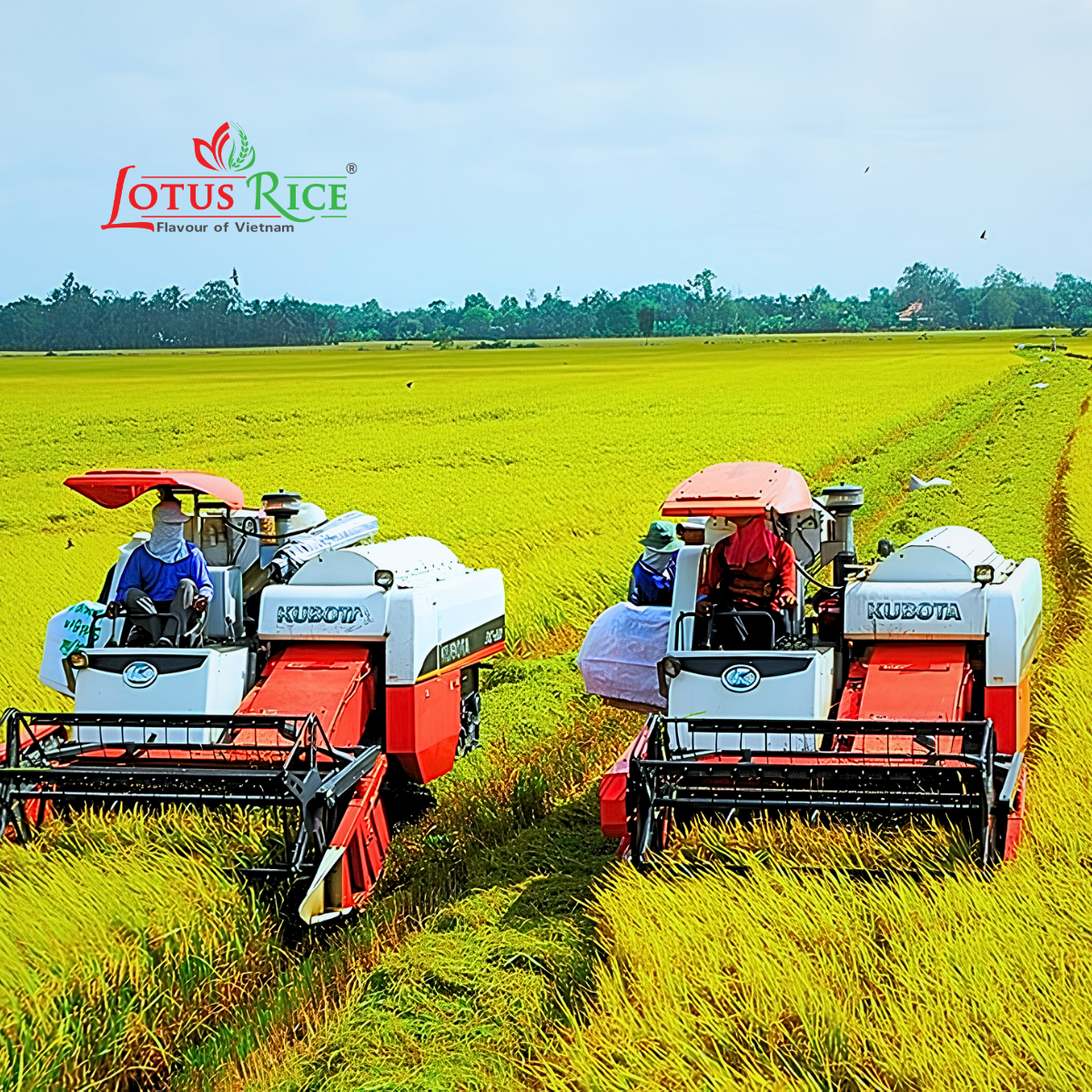
Much of Vietnam’s rice production is rooted in the Mekong Delta, where generations of farmers have developed extensive knowledge of cultivation, seasonal conditions and crop management.
This agricultural heritage remains an important part of Vietnamese rice quality and identity. However, for international buyers, origin is only the starting point.
Consistent sourcing, appropriate processing, quality inspection, storage, and product specifications are equally important. The ability to maintain these standards helps transform Vietnam’s agricultural strengths into reliable products for international markets.
For Lotus Rice, this means treating origin as more than a label. It is the foundation of product character that needs to be preserved throughout the sourcing and supply process.
Vietnamese Rice Varieties for Different Market Needs
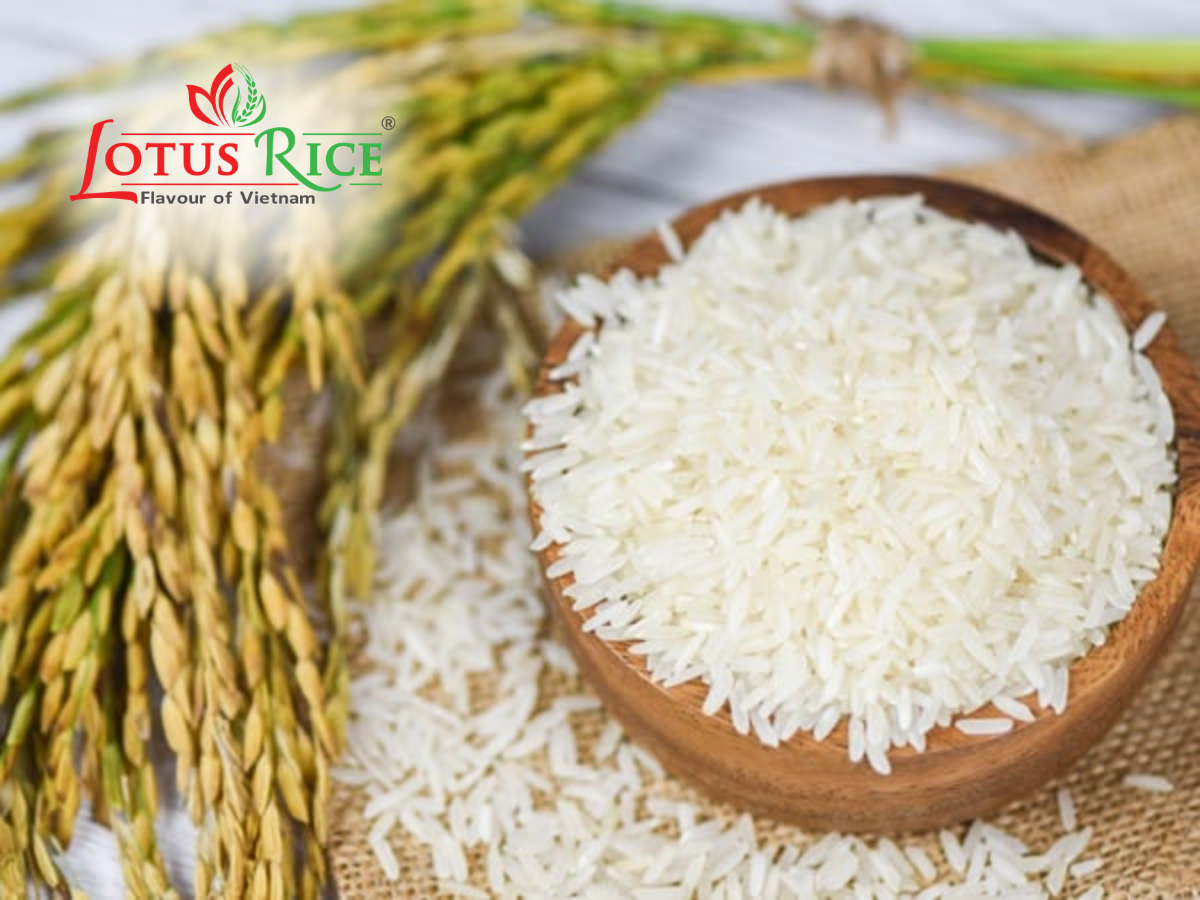
Vietnamese rice is not a single product. Different varieties offer different sensory characteristics and applications, allowing buyers to build a portfolio around their target consumers.
ST25 Rice: Premium Vietnamese Rice
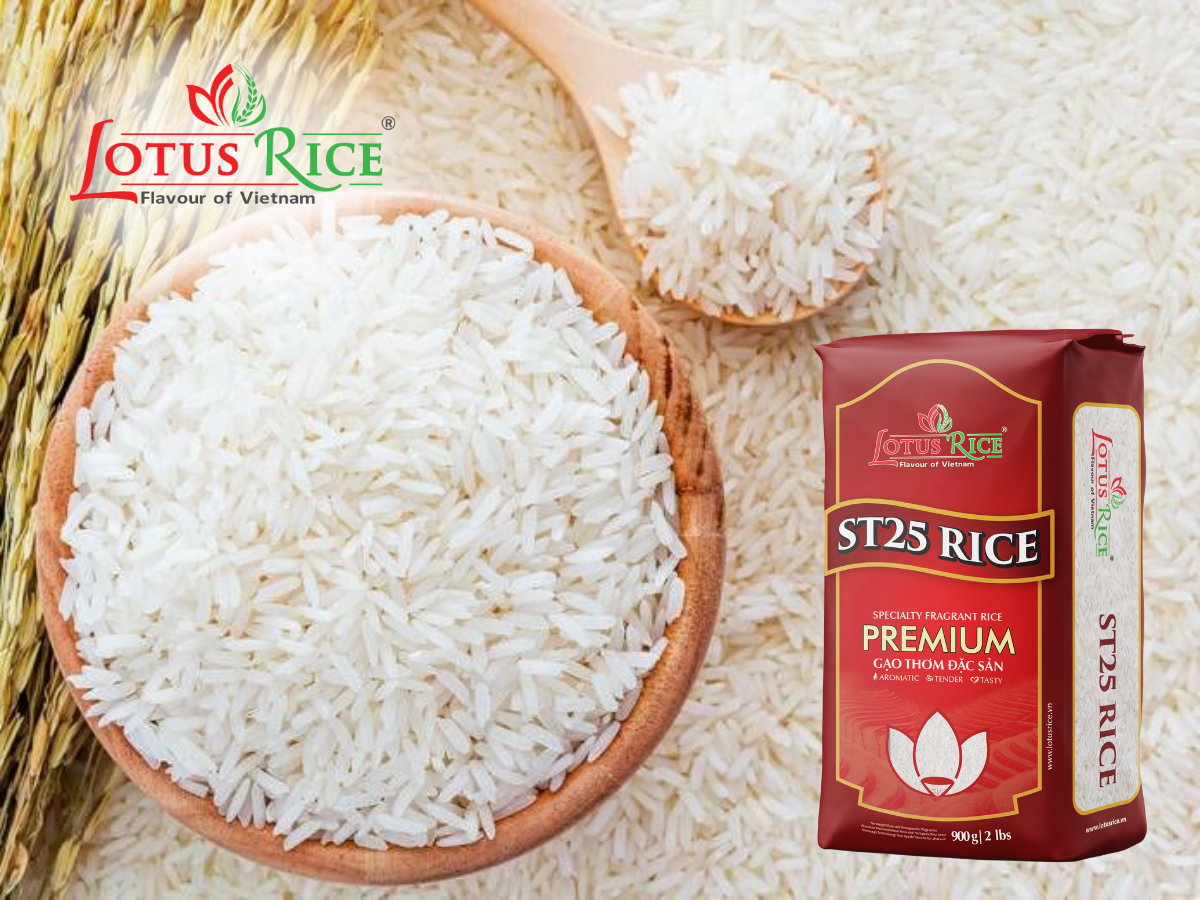
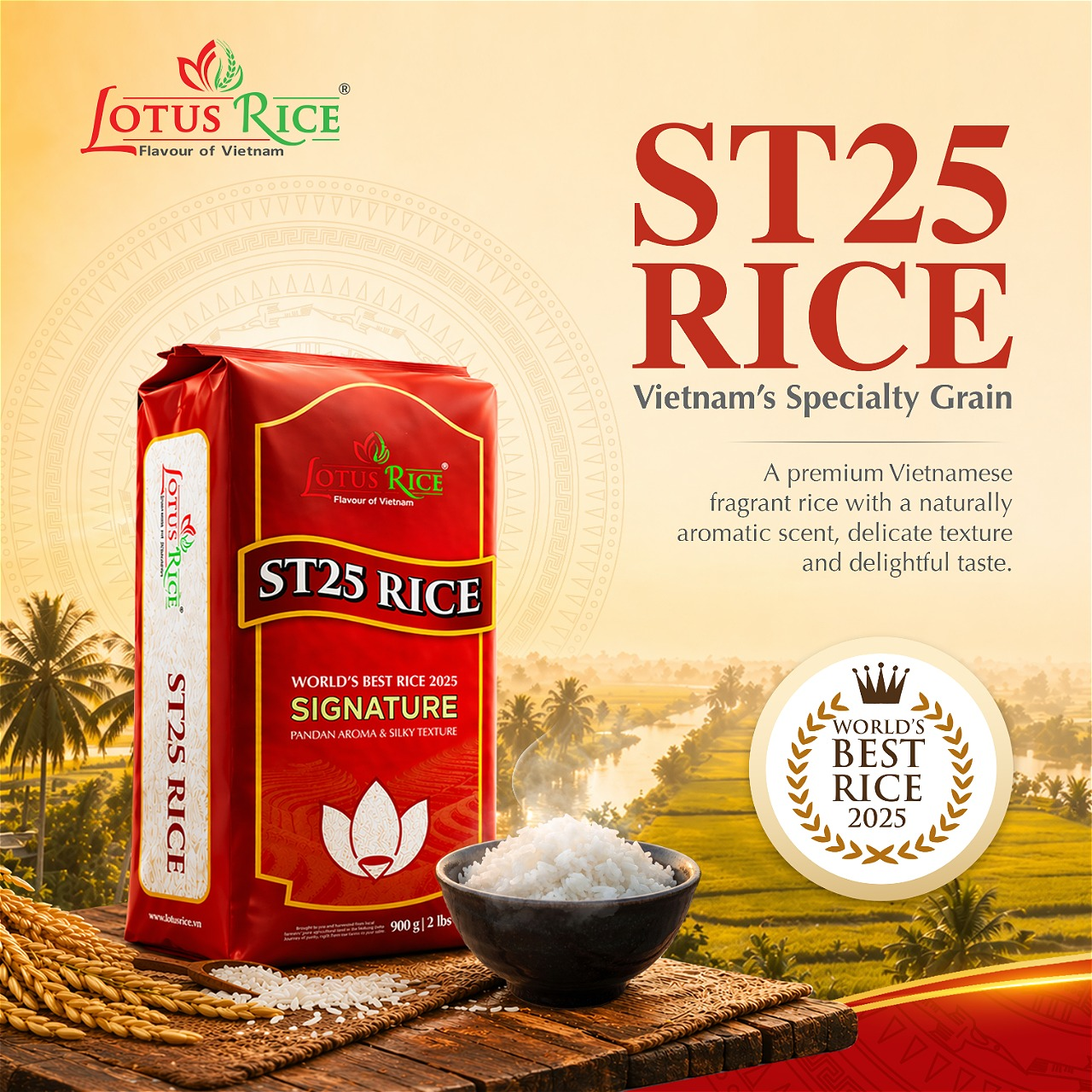
ST25 represents a premium expression of Vietnamese rice and agricultural innovation.
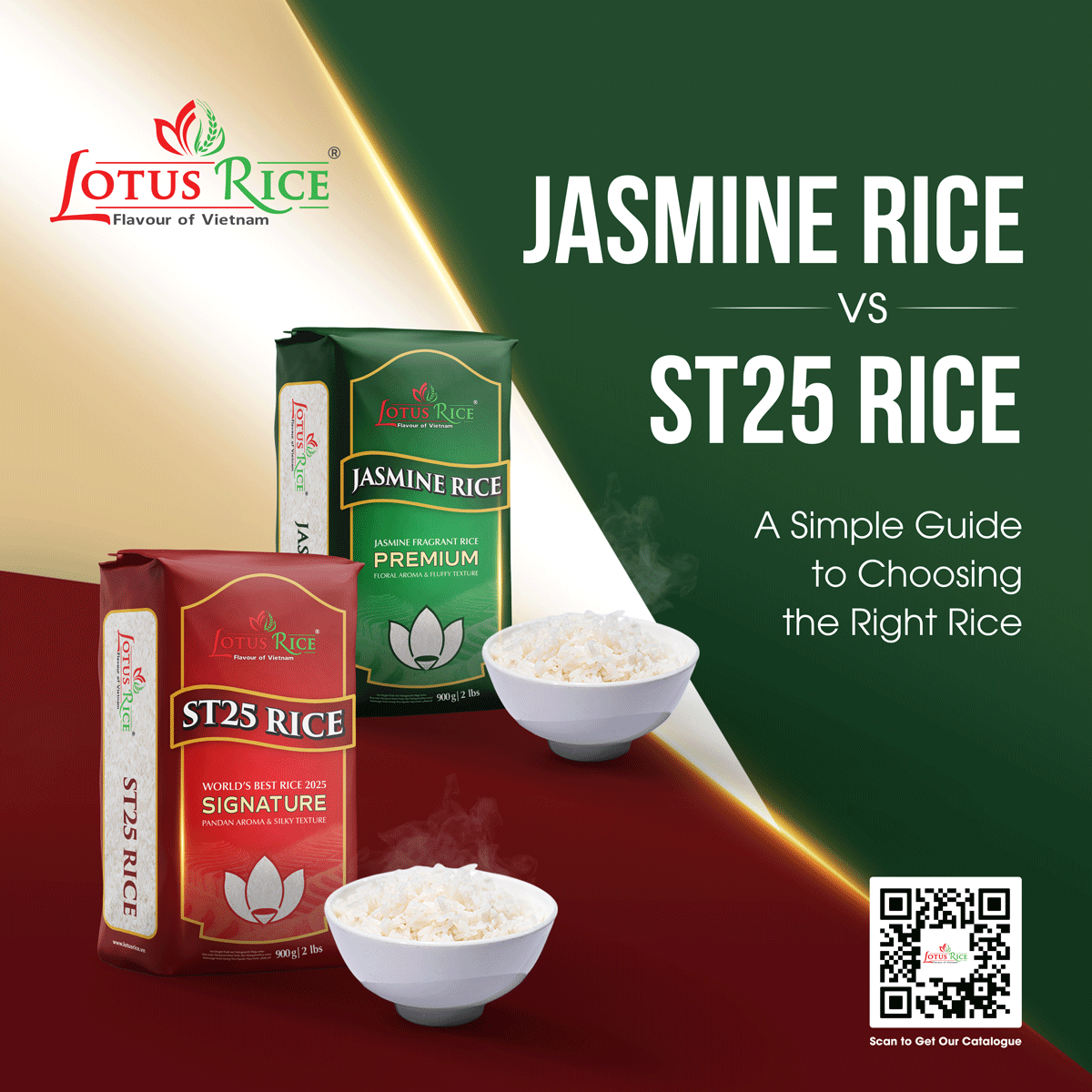
Its long, slender, and translucent grains are complemented by a naturally aromatics profile and a soft, supple texture when cooked. These characteristics make ST25 suitable for premium retail, food service and gifting segments where sensory experience and origin contribute to protect value.
For buyers targeting premium consumers, ST25 can provide a distinctive Vietnamese product story while offering a refined eating experience.
Lotus Rice focuses on preserving the characteristics of ST25 through careful grain selection, storage, processing, and quality inspection according to agreed customer requirements.
Jasmine Rice: Broad Market Appeal
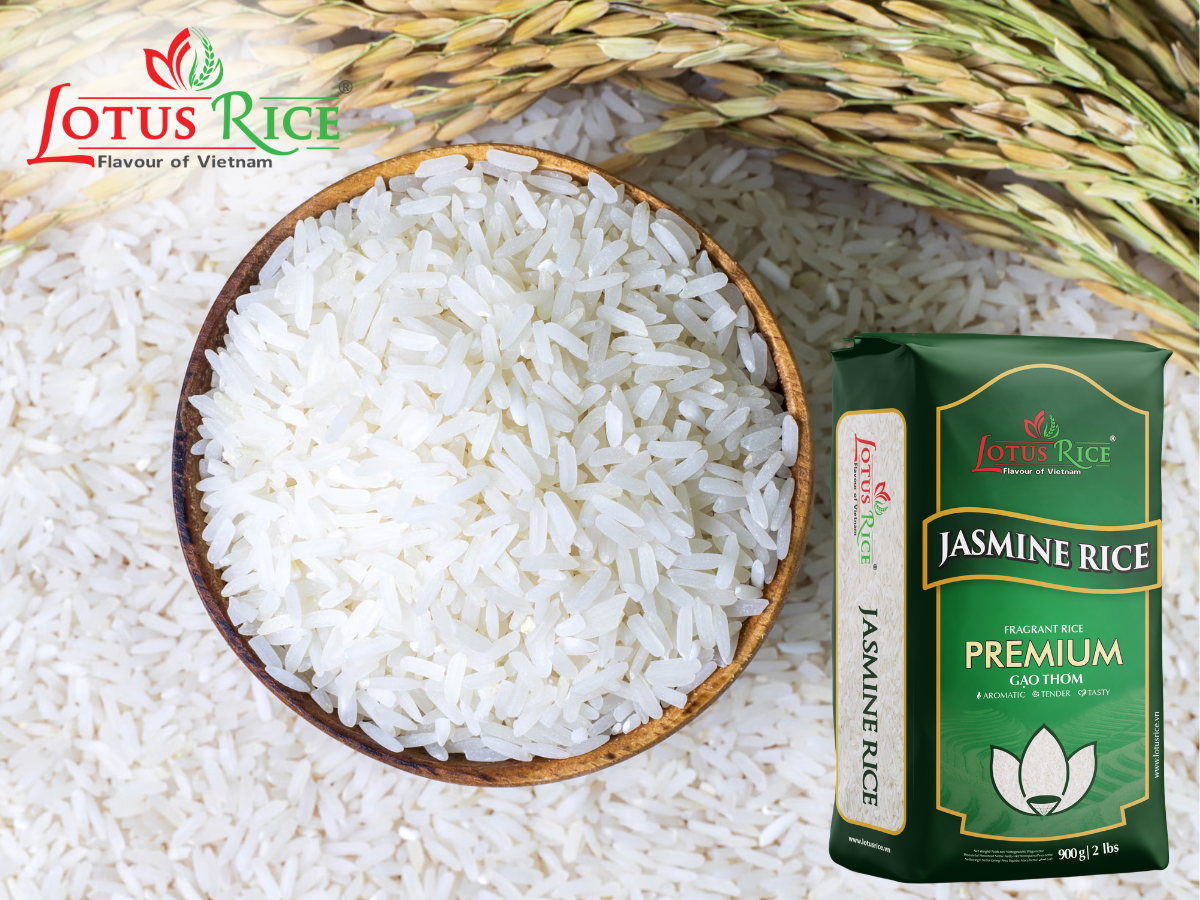
Jasmine Rice offers a more familiar profile for everyday consumption and food-service applications.
Its long grains, natural fragrance and soft texture it suitable for a wide range of Asian dishes and consumer preferences. For importers and distributors, this versatility allows Jasmine Rice to serve different portfolio roles, including mainstream retail, private-label products, and food service.
Consistency is particularly important for this segment. Buyers should consider factors such as growing region, crop year, moisture, broken rate and batch specifications when evaluating whether a jasmine Rice product meets their requirements.
Sushi and Calrose Rice: matching Rice to the application
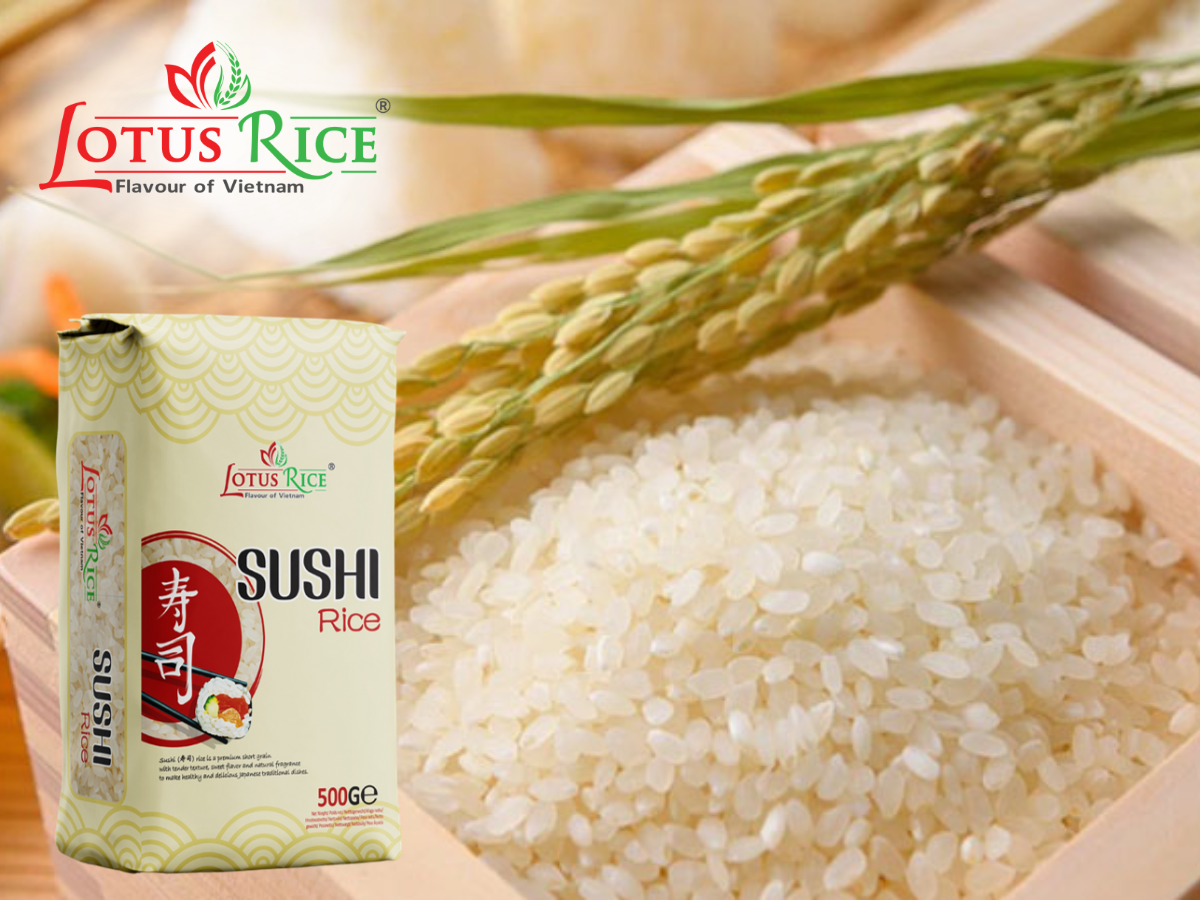
Different cuisines require different rice characteristics. Sushi and Calrose rice are examples of varieties selected around specific cooking and market applications.
Their grain structure and cooked texture provide greater cohesion than typical long-grain aromatic rice, making them suitable for Japanese-style dishes, Asian food service, ready-meal production and other applications requiring a more cohesive texture.
For buyers, the key question is not simply where the rice comes from, but whether its characteristics match the intended application.
Lotus Rice helps customers evaluate this fit by considering variety, specification, cooking performance, and target market before a product enters their portfolio.
What Should Buyers Consider When Sourcing Vietnamese Rice?
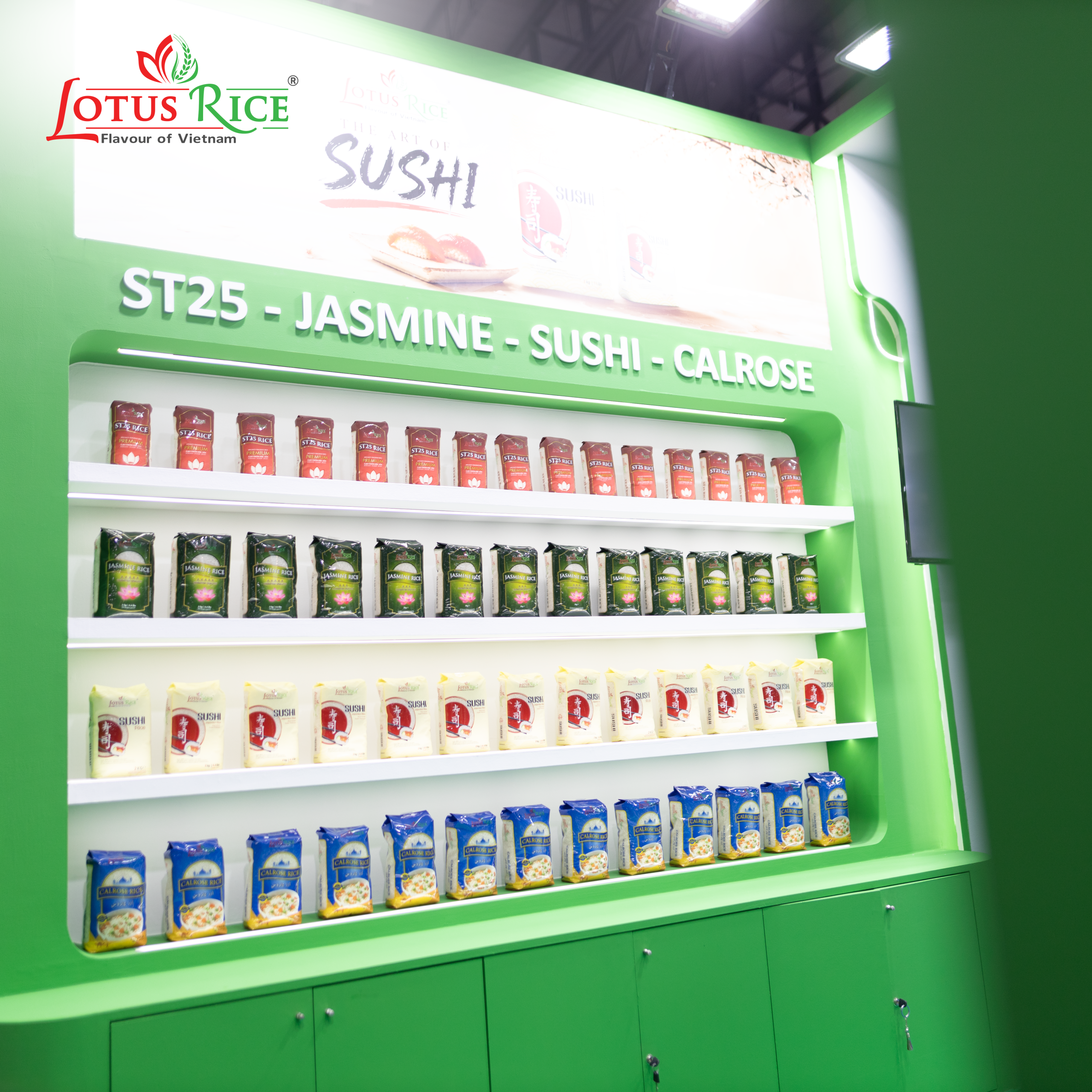
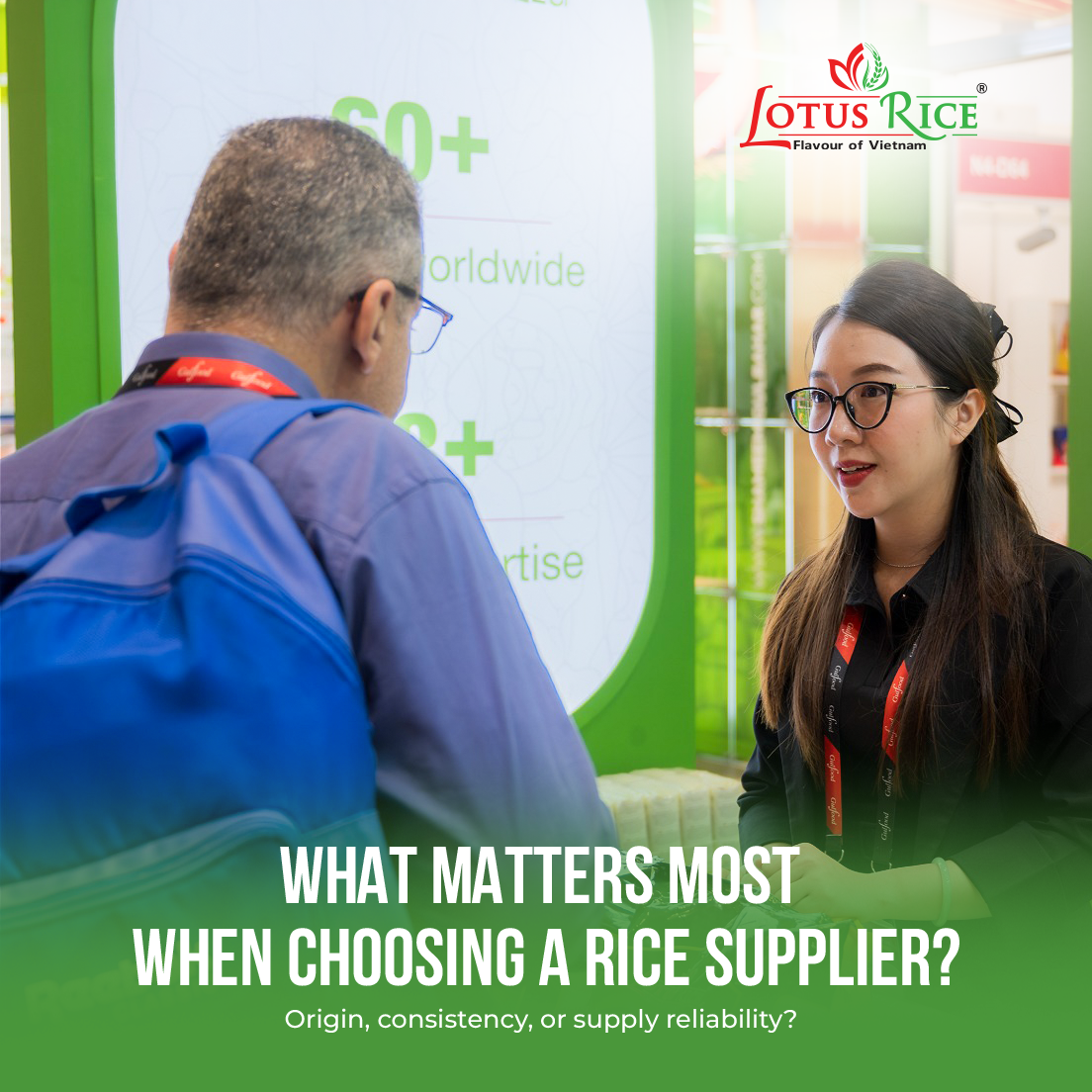
For international buyers, several factors should be considered before selecting a Vietnamese rice supplier:
- Variety and application
Choose the variety according to the target consumer, cuisine and price segment rather than selecting based on origin alone. - Product specifications
Important reference points may include grain characteristics, moisture, broken rate, crop year and other agreed quality parameters. - Processing and quality control
Consistent processing, storage and inspection are essential to maintaining product quality from sourcing to shipment. - Packaging and market requirements
Packaging should be aligned with the destination market, whether the product is intended for retail, food service or private-label distribution. - Supplier communication
A reliable sourcing partner should be able to understand the buyer’s specifications and communicate clearly throughout the sourcing process.
These considerations help buyers move from simply purchasing rice to building a consistent and commercially relevant product portfolio.
Why Choose Lotus Rice?
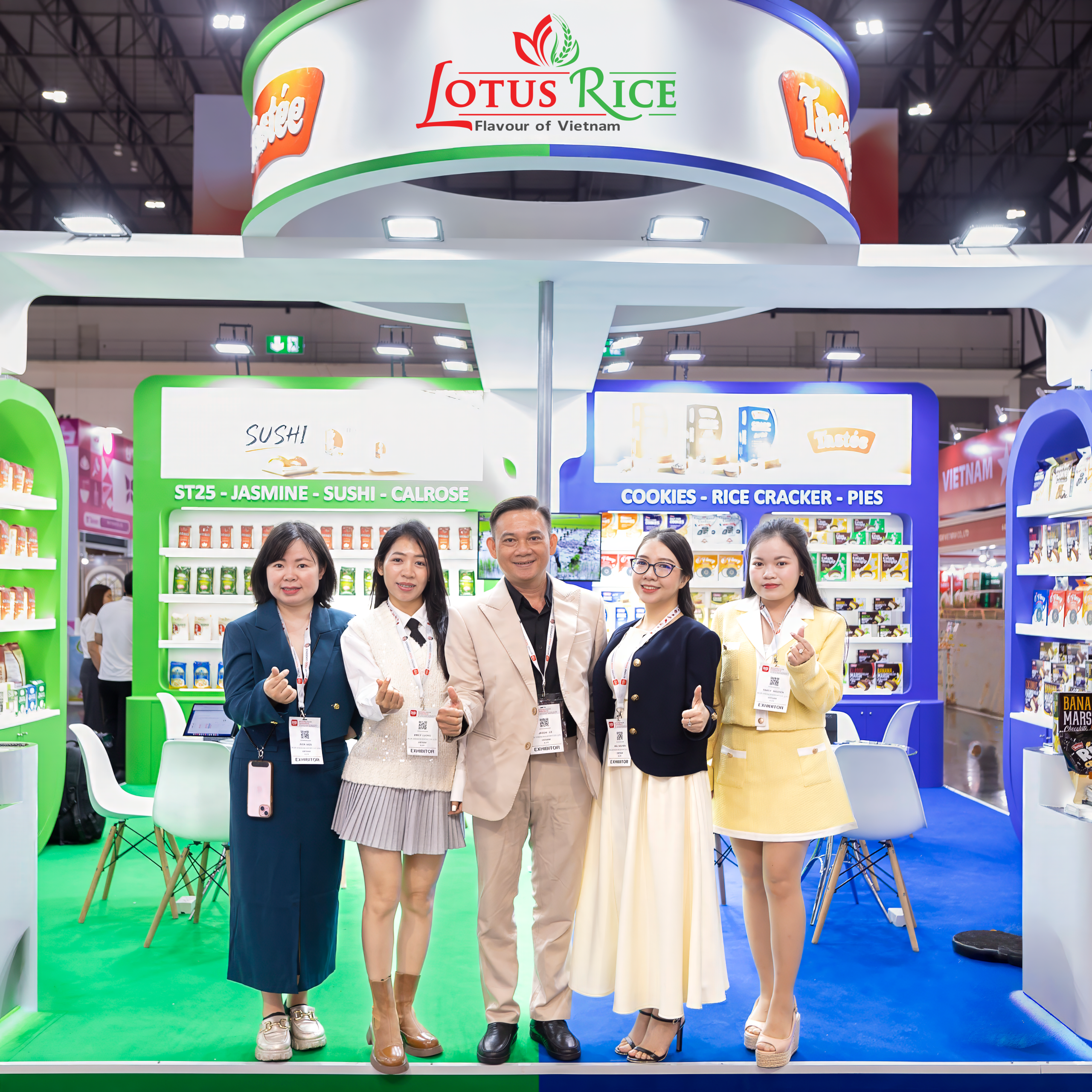
Lotus Rice approaches Vietnamese rice as a portfolio rather than a single commodity.
ST25 can support premium positioning. Jasmine offers broad consumer appeal. Sushi and Calrose provide options for specific culinary applications. Together, these varieties allow buyers to select products based on market needs, consumer preferences and intended use.
Our role is to connect Vietnamese origin with the practical requirements of international buyers through product selection, specifications, quality control and sourcing support.
The goal is simple: help buyers find Vietnamese rice that is not only authentic in origin, but also appropriate for the market they serve.
Frequently Asked Questions
What are the main Vietnamese rice varieties offered by Lotus Rice?
The portfolio highlighted in this article includes ST25, Jasmine, Sushi and Calrose rice, each serving different consumer preferences and market applications.
Which Vietnamese rice is suitable for premium markets?
ST25 is particularly suited to premium retail, food service and gifting segments because of its aromatic profile, grain appearance and soft texture when cooked.
Is Vietnamese Jasmine rice suitable for food service?
Yes. Its familiar aroma, long grains and soft cooked texture make Jasmine rice suitable for everyday meals and a range of Asian food-service applications.
How should buyers choose between different Vietnamese rice varieties?
Start with the intended application, target consumer and market positioning. Then evaluate the variety against agreed specifications, cooking characteristics, quality requirements and packaging needs.
Can Lotus Rice support specific sourcing requirements?
Lotus Rice works with buyers to assess variety, specifications, applications and sourcing requirements, helping identify the rice that best fits their intended market.
Find the Right Vietnamese Rice for Your Market
The value of Vietnamese rice lies in its combination of agricultural heritage, product diversity and adaptability to global market needs.
Whether you are sourcing premium ST25, versatile Jasmine, or application-focused Sushi and Calrose rice, Lotus Rice can help you evaluate the right product for your market.
Contact Lotus Rice to discuss your rice specifications, applications and sourcing requirements.
#VietnameseRice #VietnamRiceExporter #RiceSourcing #ST25Rice #JasmineRice #SushiRice #CalroseRice #MekongDelta #RiceExport #LotusRice
——————————————————–
Website: https://www.lotusrice.vn/
Email: connect@lotusgroup.vn
WhatsApp: (+84 77) 6996 768
Phone: (+84 28) 3622 2236
Head office: No. 52, Street 10, Him Lam Residence, Tan Hung Ward, HCM