


Discover how Lotus Rice supports sustainable Vietnamese rice through responsible farming, SRP commitment, traceable sourcing, and respect for nature.
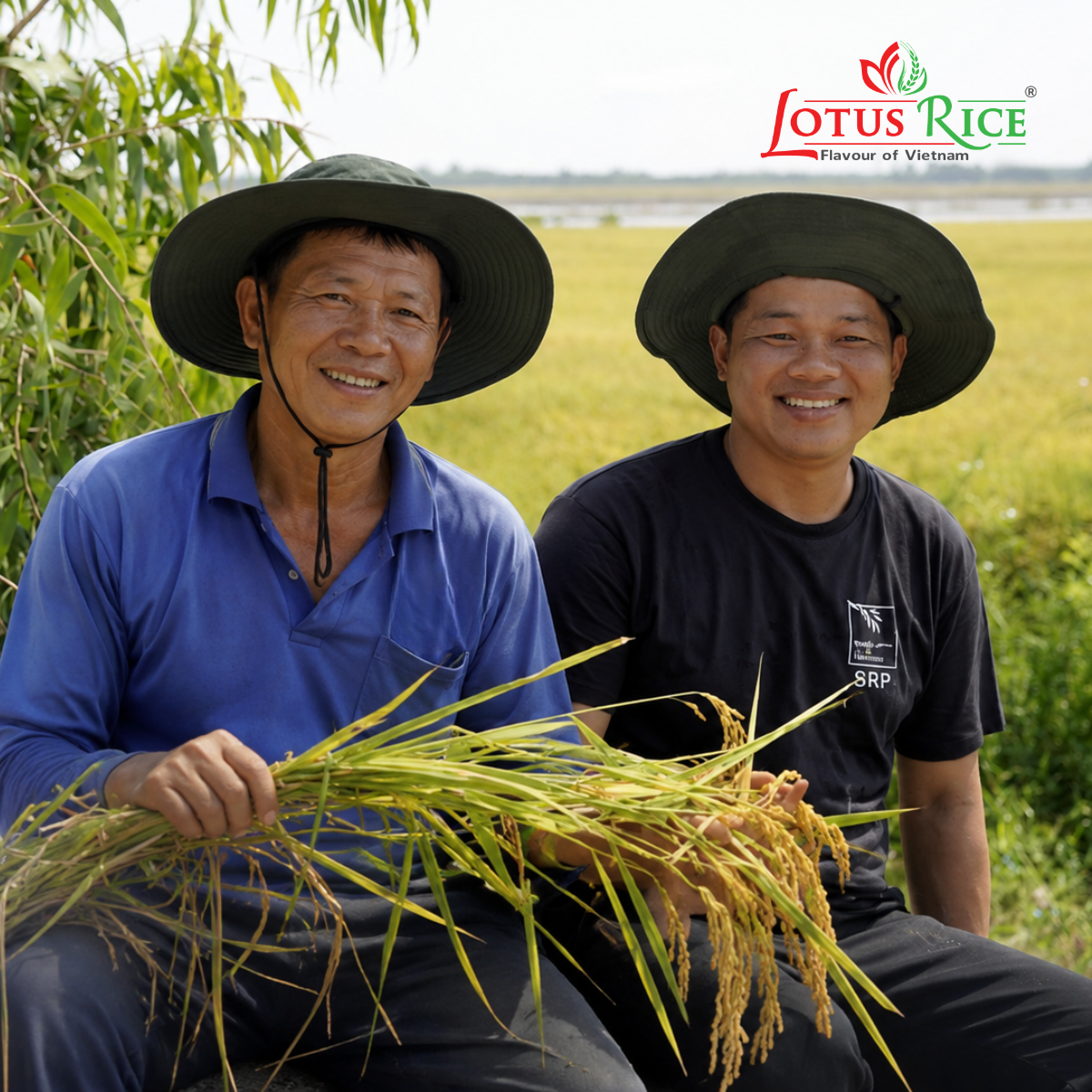
Sustainability in rice production does not begin at the factory.
It begins much earlier- in the soil, in the water, the farming ecosystem, and in the way people work with nature.
For Lotus Rice, sustainable Vietnamese rice is not only about meeting international standards. It is about protecting the origin of rice itself: the land that grows it, the water that nourishes it, the farmers who cultivate it, and the natural rhythm that shapes every harvest.
As global buyers increasingly look for responsible sourcing, traceability, environmental awareness, and long-term supply stability, rice is no longer viewed only as a commodity. It is becoming part of the broader conversation about food security, climate-conscious agriculture, and sustainable supply chains.
This is where Lotus Rice continues to strengthen its role- not only as a rice supplier, but as a sustainable agricultural partner for international markets.
True Sustainability Starts Before the Harvest
A premium grain of rice is not created overnight.
Before rice reaches the mill, the processing line, the packaging stage, or the export container, its quality has already been shaped by nature. Healthy soil, responsible water use, balanced farming practices, and the experience of farmers all contribute to the final grain.
This is why sustainability in rice must begin before the harvest.
For Lotus Rice, responsible farming means looking at rice from its origin. It means understanding that every field is part of a larger ecosystem. This condition of the soil affects the strength of the crop. The quality and management of water influence cultivation. The balance of the arming environment supports long-term agricultural value.
In this sense, sustainability is not separate from rice quality. It is the foundation of rice quality.
When natural is protected, rice can grow in a healthier environment. When resources are managed responsibly, farming communities can build greater resilience. And when cultivation follows the rhythm of nature, the value of rice becomes more meaningful- not only for today’s harvest, but for future generations.
From product Quality to Origin Quality
In the global rice trade, quality is often discussed through product specifications: grain length, aroma, texture, moisture, broken rate, purity, and consistency.
These standards are important. But at Lotus Rice, quality is also understood from a deeper perspective: Origin quality.
Origin quality means looking beyond the finished product. It means recognizing where the rice comes from, how it is cultivated, and what values are embedded in the supply chain.
For Vietnamese rice, this origin is closely connected to fertile rice – growing regions, farming heritage, and the knowledge of local agricultural communities. In areas such as the Mekong Delta, rice is not simply a crop. It is part of the landscape, the culture, the Economy and the identity of local life.
By connecting product quality with origin quality, Lotus Rice aims to bring a more complete story of Vietnamese rice to international buyers- a story built on nature, people, responsibility, and a long-term trust.
SRP Commitment A Step Toward Responsible Rice Production
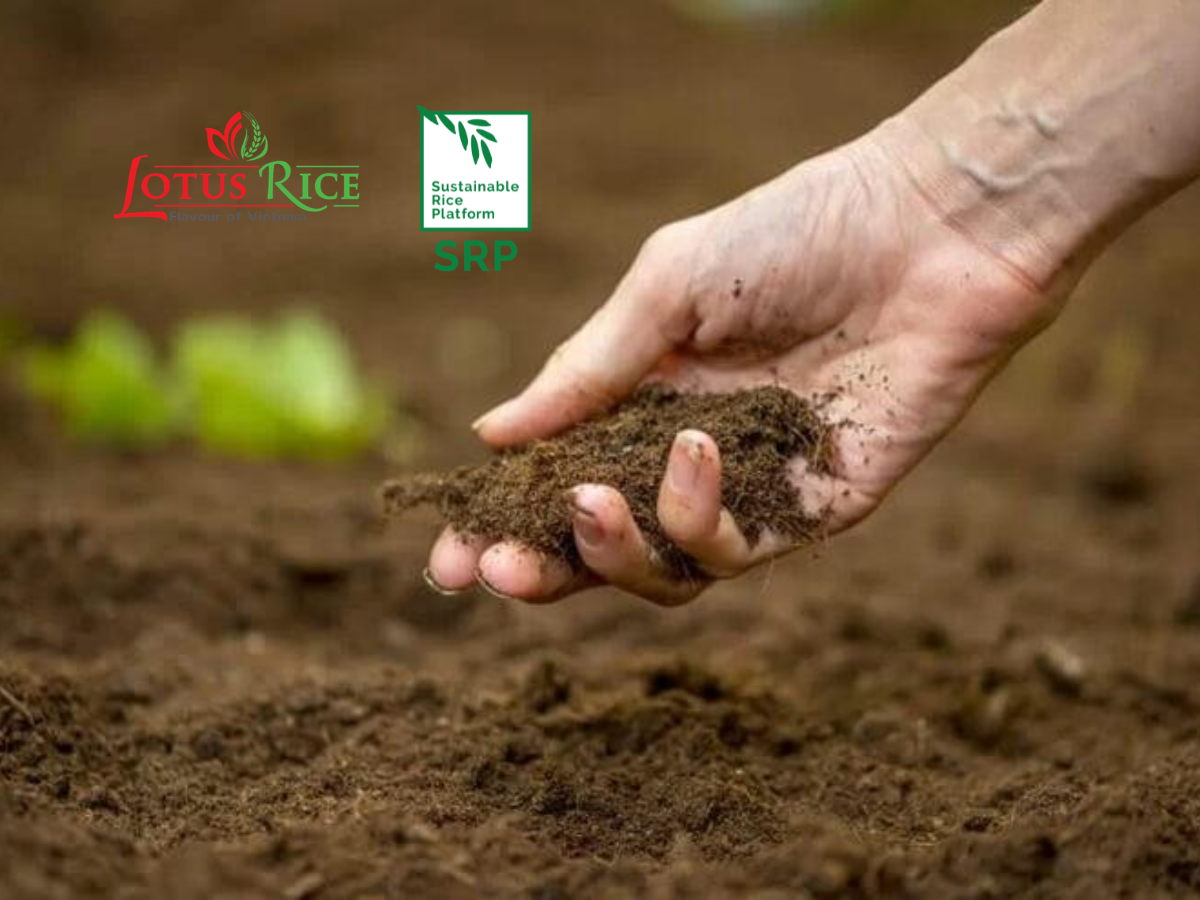
Lotus Rice recognizes that sustainable agriculture requires a more structured and measurable approach.
Through its participation in the Sustainable Rice Platform, Lotus Rice supports the direction of more responsible rice production, with a focus on environmental care, resource efficiency, farmer livelihood, traceability, and long-term sustainability across the rice value chain.
For Lotus Rice, SRP is not only about meeting expectations from global markets. It reflects a commitment to the future of Vietnamese Rice.
By aligning with sustainable rice principles, Lotus Rice aims to contribute to a rice ecosystem that protects both people and the planet. This includes encouraging better farming practices, supporting more responsible use of nature resources, and building a supply chain that is more transparent and future – ready.
For international buyers, this direction provides more than a sourcing advantage. It creates confidence.
A responsible rice exporter must offer not only product availability, but also transparent sourcing practices. In a market where ESG expectations are becoming increasingly important, buyers need partners who understand the connection between agriculture, environment, people, and long-term business value.
This is the direction Lotus Rice continues to pursue.
Every grain Reflects the Harmony Between People and Nature
Rice quality does not come from technology alone.
Modern processing, quality control, and export standards are essential. However, before those systems begin, rice has already passed through the hands, experience, and care of farmers.
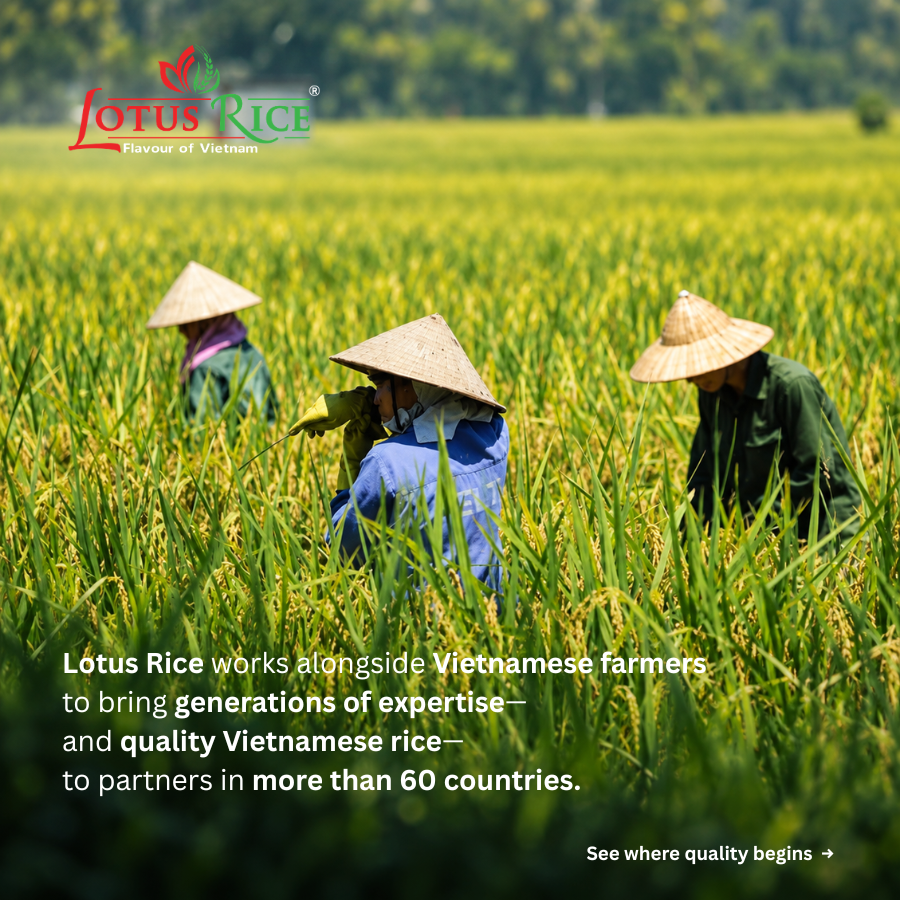
Vietnamese farmers understand the field through observation, seasonality, and years of practical knowledge. They know when the land needs rest. They understand how water moves through the field. They recognize the changes in weather, soil, and crop condition.
This farming knowledge is not separate from sustainability. It is part of sustainability.
At Lotus Rice, the story of sustainable rice is also the story of the people behind the grain. Farmers do not simply produce rice. They work with nature, adapt to nature, and help preserve the agricultural value of each region.
Behind every premium grain is a farming community that understands nature before production.
This human-centered perspective is essential to the Lotus Rice sustainability journey. Because sustainable rice is not only about environmental responsibility. It is also about respecting the people who make responsible agriculture possible.
Protecting nature Means Protecting Rice Quality
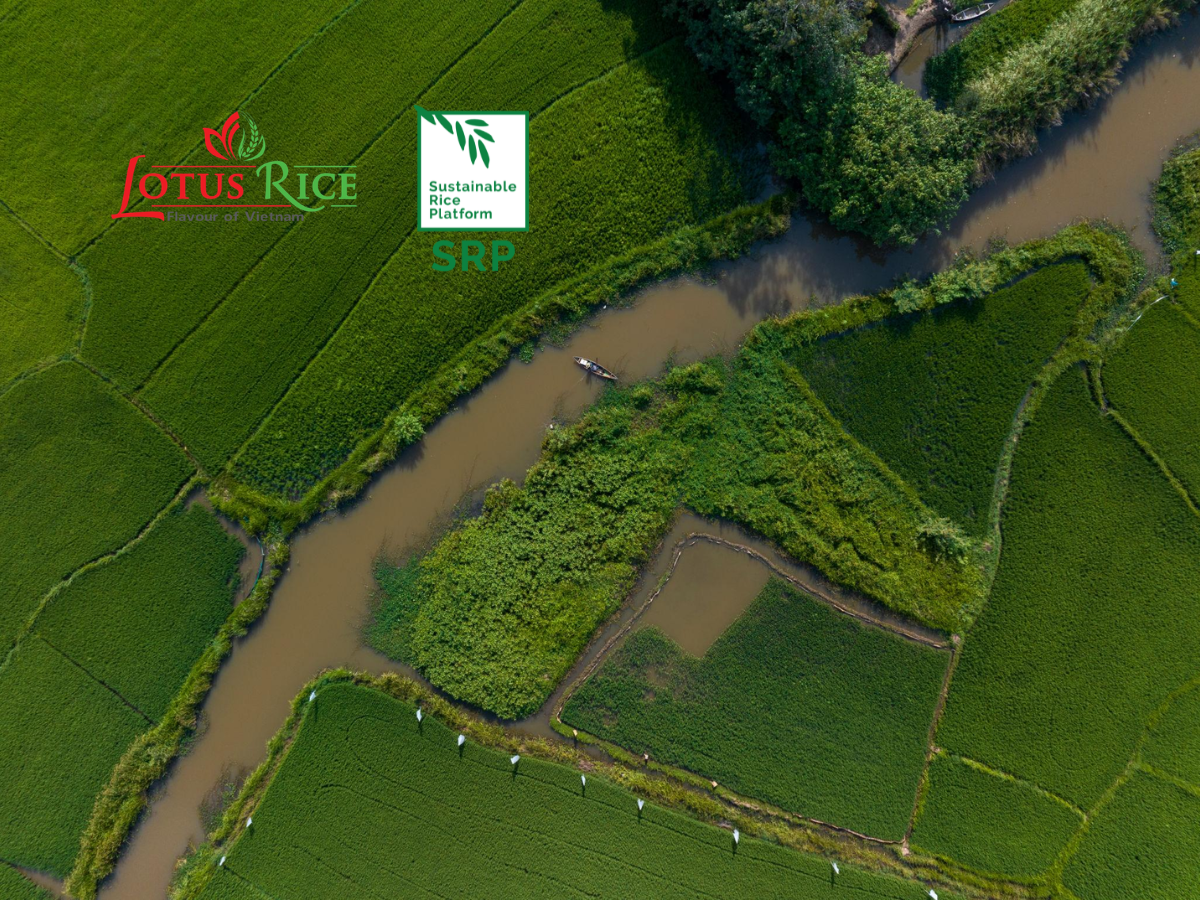
A healthy ecosystem creates stronger agriculture value.
When soil is preserved crops can grow from a more stable foundation. When water is managed responsibly, farming becomes more resilient. When the local ecosystem is respected, rice production can maintain better balance over time.
For buyers, this connection matters.
Sustainable farming is not only an ethical consideration. It directly supports long-term quality consistency, supply stability, and sourcing reliability.
In other words, sustainability and premium quality are not opposing ideas. Sustainability is what makes premium quality more resilient over the long term.
Lotus Rice believes that protecting nature means protecting the future of rice quality. A strong rice supply chain cannot depend only on short-term production capacity. It must also protect the natural conditions that make rice cultivation possible.
This is especially important in the context of climate-conscious agriculture, where food production must respond to environmental challenges while continuing to meet global demand.
For Lotus Rice, responsible sourcing begins with this understanding: better rice starts with a better relationship with nature.
Vietnamese Rice Carries the Responsibility of Its Origin
Vietnamese rice is more than an agricultural export.
Every grain carries the story of the land where it is grown, the people who cultivate it, and the farming heritage that has shaped generations. It represents not only food, but also cultural, resilience, and national agricultural value.
As Vietnamese rice continues to reach global markets, its role becomes greater. It is no longer only about volume or price competitiveness. It is trust, responsibility, and the ability to meet the evolving expectations of international buyers.
Lotus Rice aims to contribute to this transformation.
By promoting sustainable Vietnamese rice, responsible farming, traceable sourcing, and SRP- oriented development, Lotus Rice seeks to elevate Vietnamese rice from a commodity into a value – driven agricultural product.
This is how Lotus Rice connects national pride with global responsibility.
Each shipment is not only a product moving across borders. It is a reflection of Vietnam’s land, people, ecosystem, and commitment to more responsible agriculture.
Lotus Rice: From Rice Supplier to Sustainable Agricultural Partner
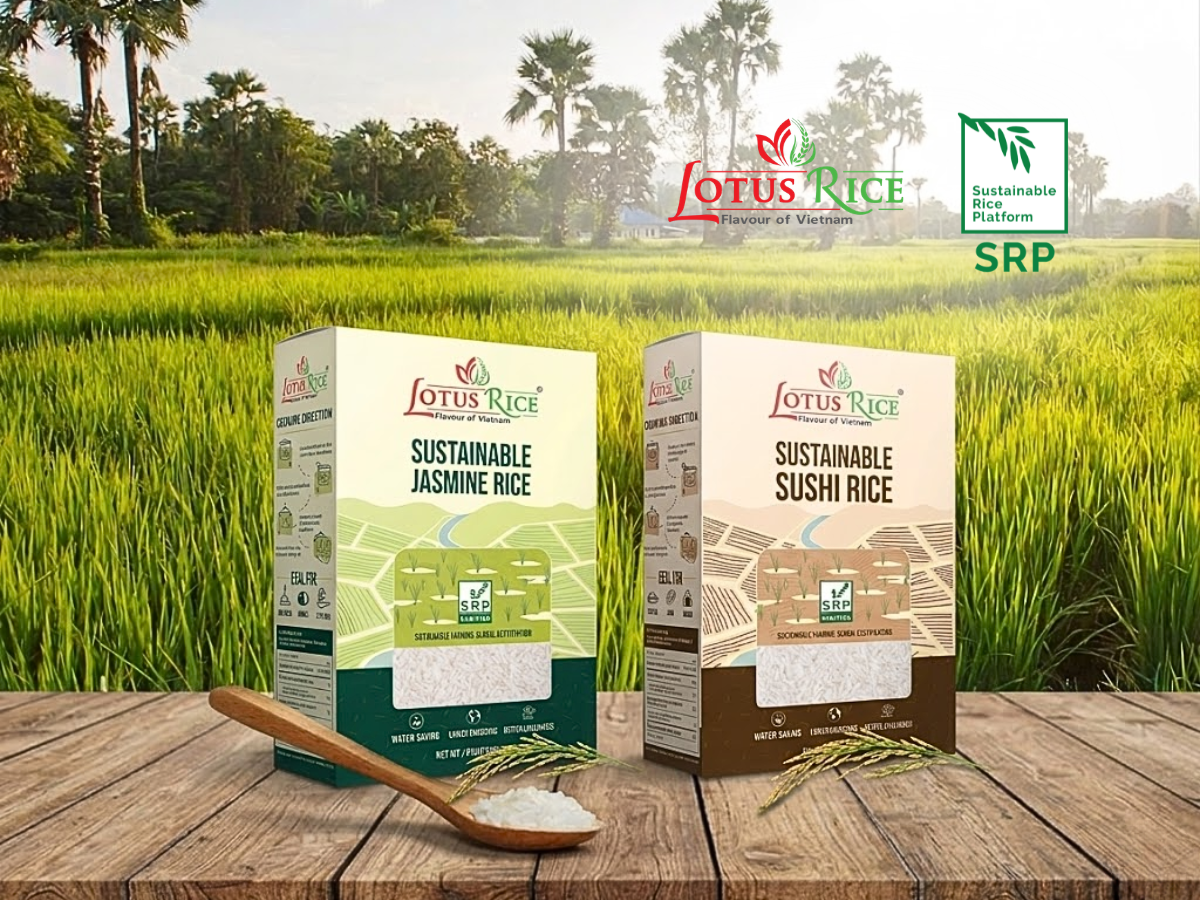
For Global buyers, choosing a rice partner is no longer only about securing supply. It is about finding a partner who can support long-term sourcing goals, ESG direction, and responsible business growth.
Lotus Rice understands this shift
With a focus on premium Vietnamese rice, responsible farming, sustainable sourcing, and international market expectations, Lotus Rice continues to develop its role as a trusted rice partner for global customers.
The brand’s sustainability direction is built on a clear belief:
Sustainable rice begins from nature. It begins with soil. It begins with water. It begins with farmers. It begins with respect for the ecosystem that makes rice possible.
From local fields to global standards, Lotus Rice is committed to sharing the value of Vietnamese rice with greater responsibility, consistency, and pride.
The Future of rice starts at the source
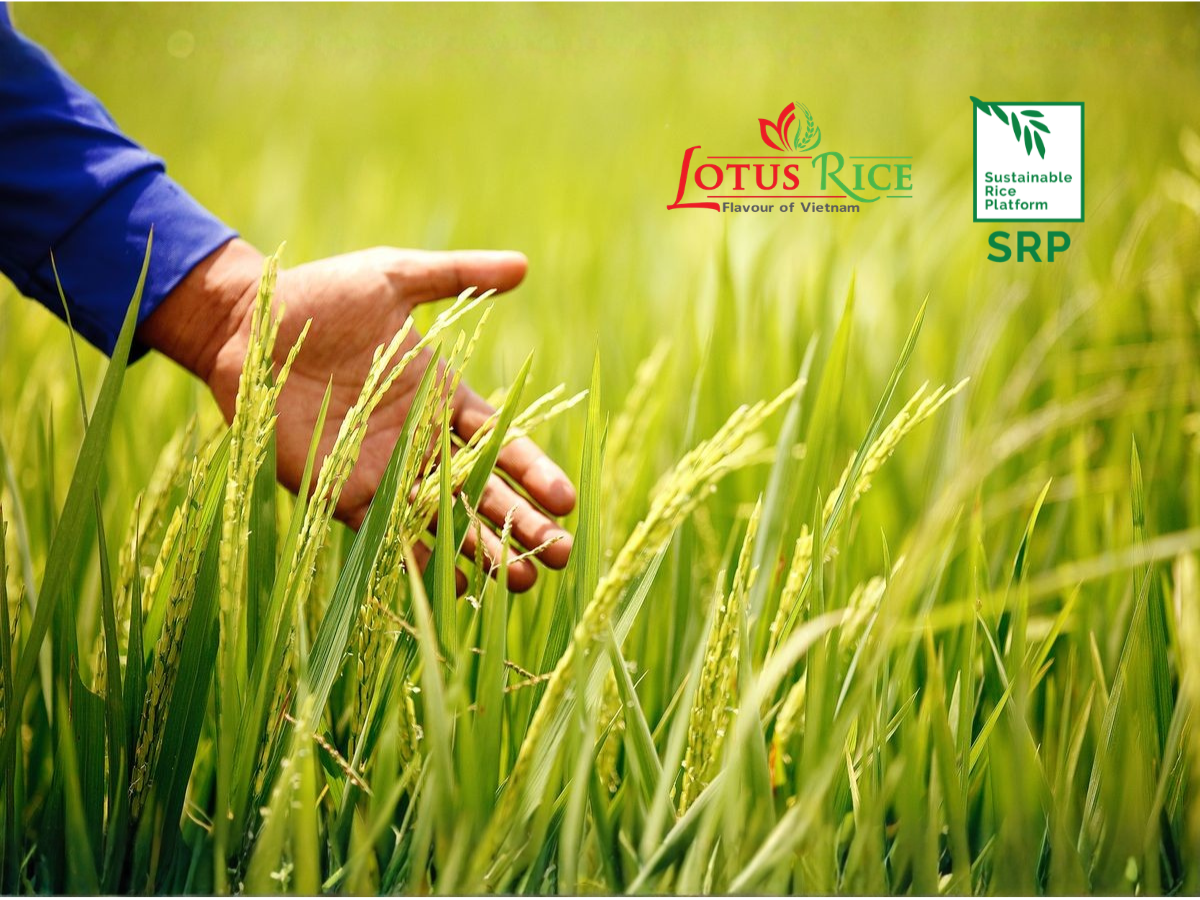
The future of rice will not be shaped by production alone.
It will be shaped by how the industry protects natural resources, supports farming communities, improves traceability, and builds more responsible supply chains.
For Lotus Rice, sustainability is not a final claim placed on a product. It is a journey that begins at the source- with nature, with farmers, and with the responsibility to preserve the value of Vietnamese rice for future generations.
Because long-term rice quality can only exist when nature is protected alongside production.
And sustainable Vietnamese rice can only grow when every part of the ecosystem is respected.
Lotus Rice- Sustainable rice begins from nature.
Looking for a sustainable Vietnamese rice sourcing partner?
Discover how Lotus Rice supports responsible sourcing, SRP-oriented development, and premium Vietnamese rice solutions for global markets.
Contact Lotus Rice to explore long-term sourcing opportunities.

Website: https://www.lotusrice.vn/
Email: connect@lotusgroup.vn
WhatsApp: (+84 77) 6996 768
Phone: (+84 28) 3622 2236
Head office: No. 52, Street 10, Him Lam Residence, Tan Hung Ward, HCM